
The flamboyant joy of tulips
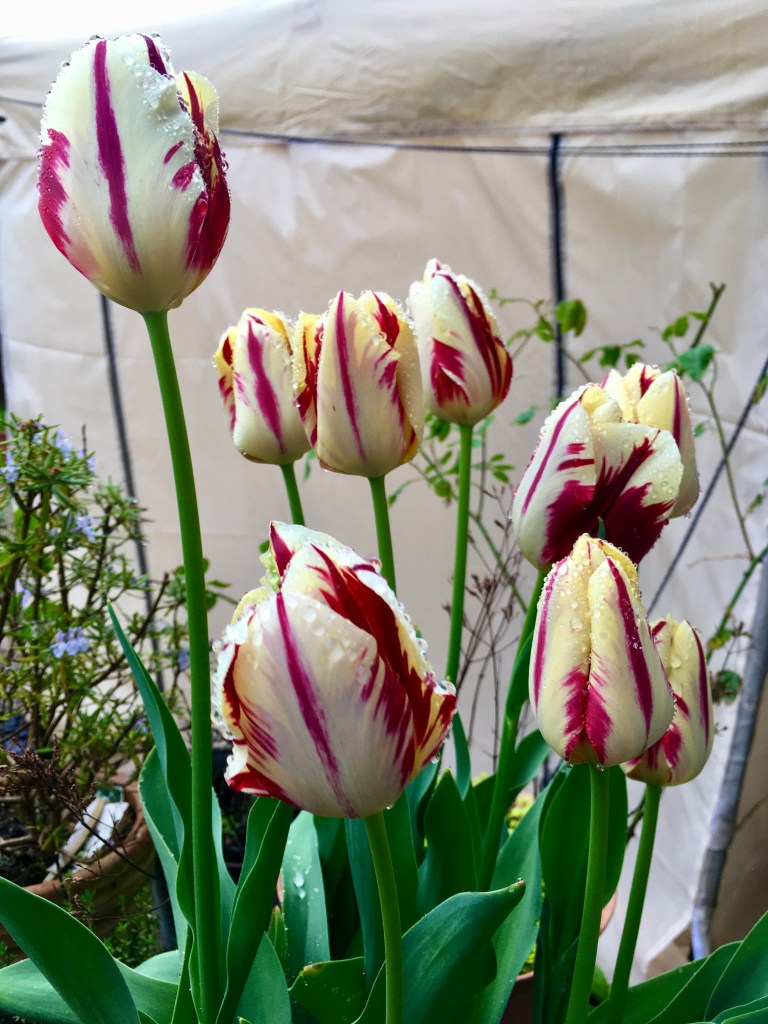
Tulips are the flamboyant dazzlers of the spring garden. Yes, tranquil snowdrops and sunny daffodils bring cheer to the dark days of early spring, but can anything beat the showstopping swagger of silken tulips for April and May? I don’t think so, and here are my top 9 reasons why I think you should consider buying some tulip bulbs this autumn for a marvellous display next spring.
1. Tulips are vibrant
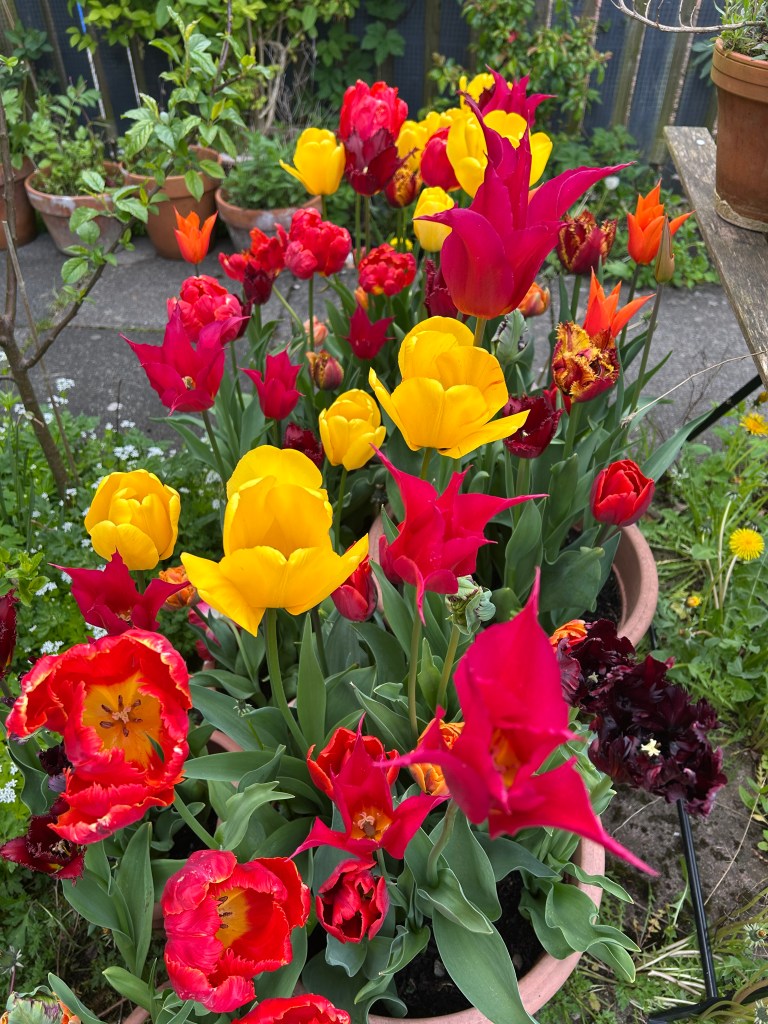
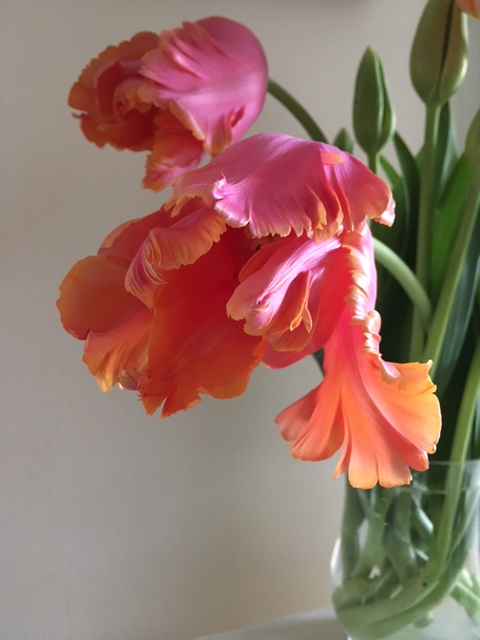
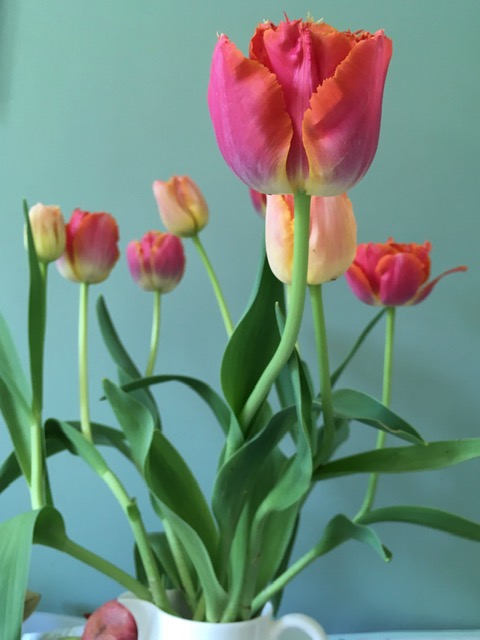
Truly, if you’re craving intense colour after a long winter, you can’t beat tulips for richness and opulence. Satin flowers, some with fringing or ruffles, catch the light on dreary days. Most tulips have shading or contrast in their petals too to add to the drama of even one pot of blooms.
2. Tulips come in a gorgeous array of shapes
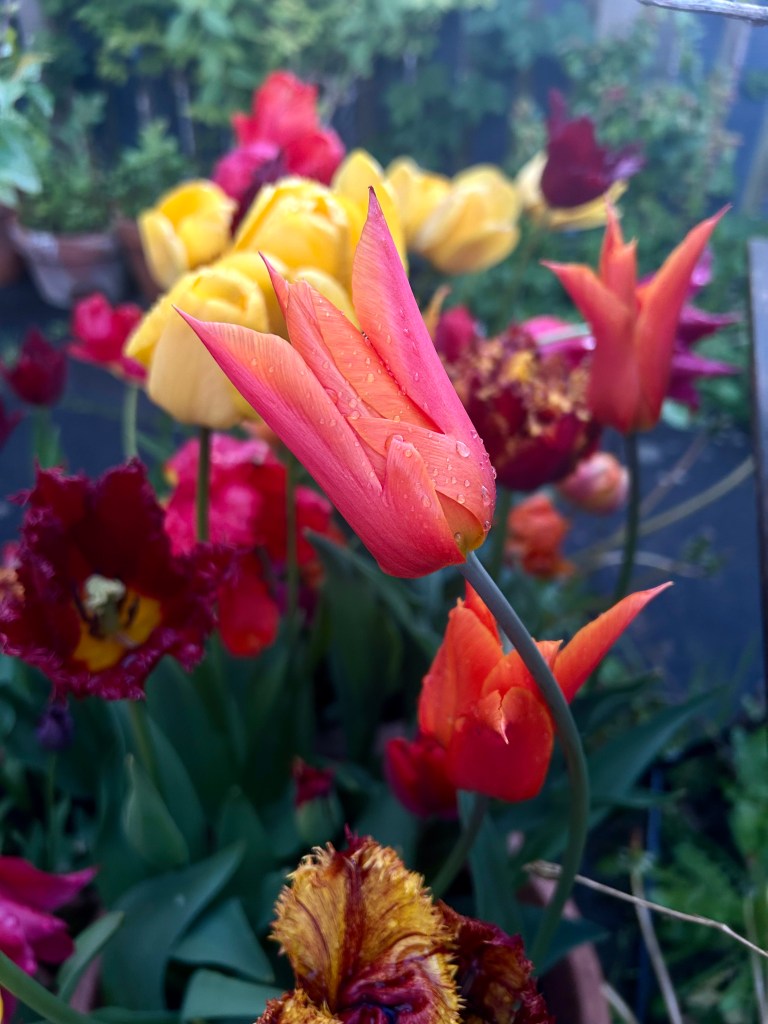
You can find elegant, lily-flowered tulips, tulips with wildly textured edges, and ones with smoothly rounded petals. Feel free to choose your favourite form, or mix things up with contrasting ones. It’s easy to make an eye-catching display with only a few pots or containers.
3. Tulips come in a dazzling choice of colours
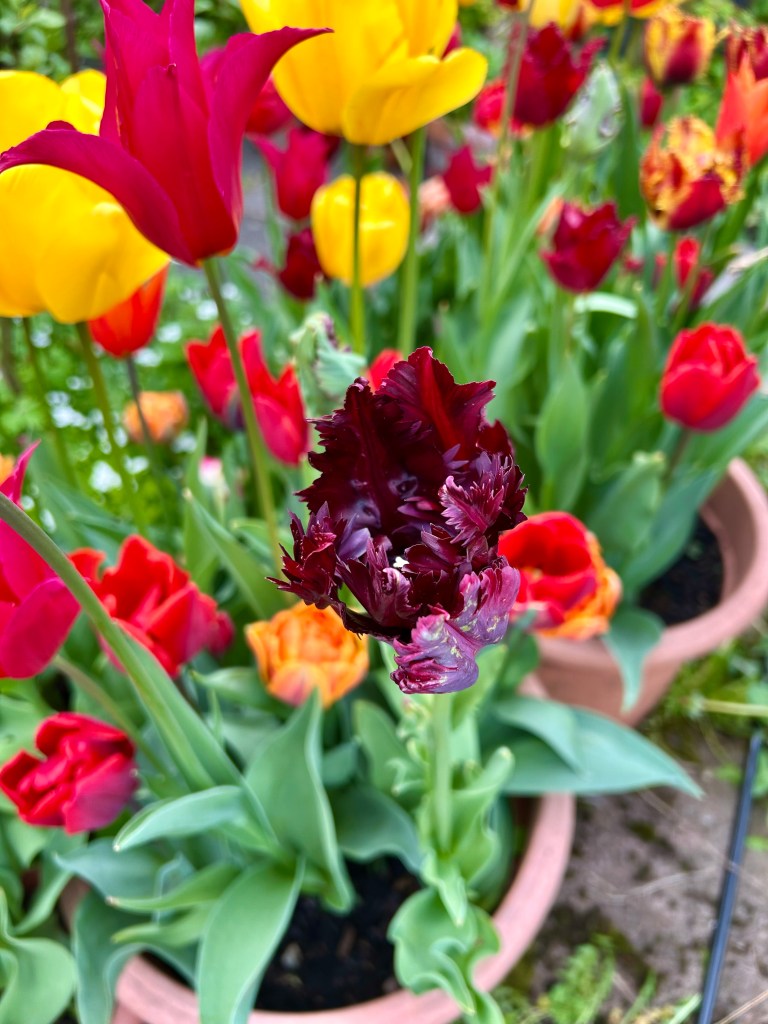
Perhaps you’re looking for a tranquil show of cool whites and pastels. No problem at all. But if your tastes run to the wilder, hotter end of the spectrum, you can feast your eyes on bold oranges, saffron yellows, rich reds and deep pinks.
4. Perhaps surprisingly, some tulips are scented
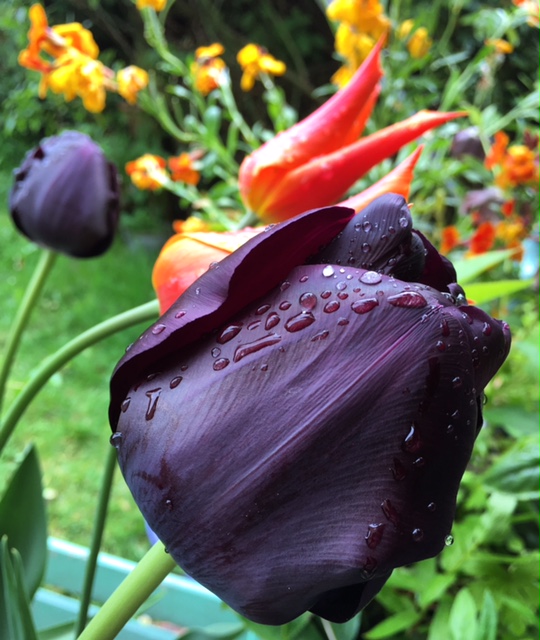
The fragrance of tulips is rarely mentioned, but lots have a subtle scent. When the sun’s been warming them is when you’re most likely to notice it, and I’ve grown ones that smell like chocolate orange, others like honey, and some like bluebells.
5. Some tulips come back year after year
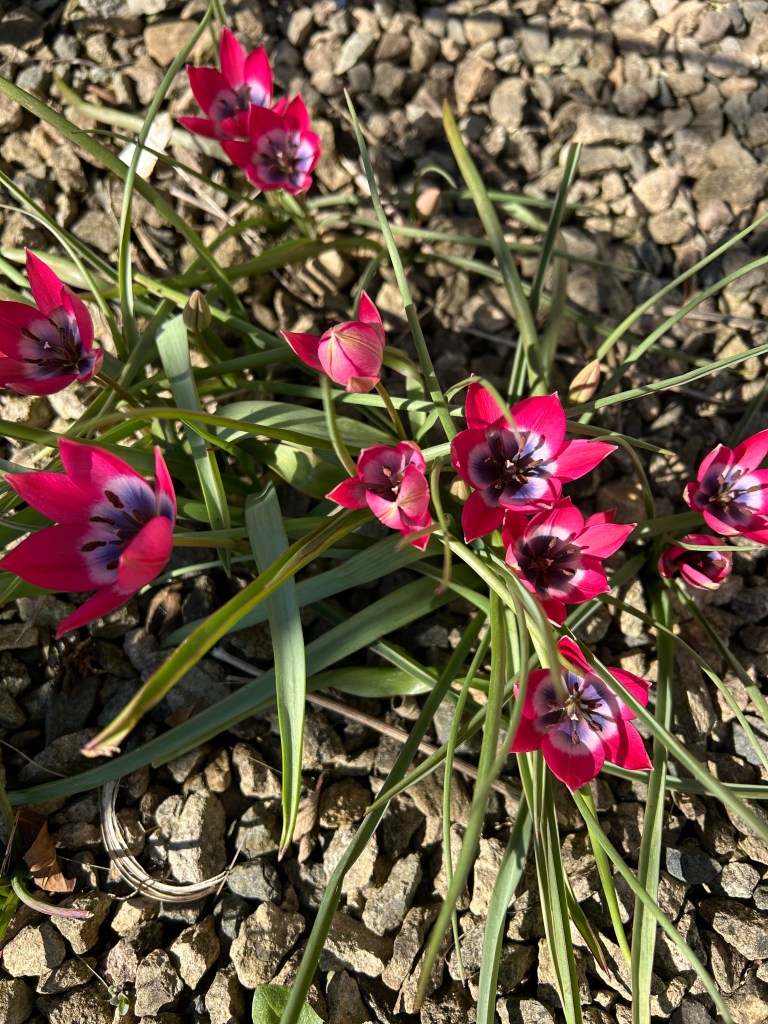
If you’re looking for tulips that come back year after year (perennial), you can find species tulips that’ll do just that. They tend to be the shorter varieties, so not quite as dramatic as the statuesque ones, but they’re very tough as long as they’re planted in free draining soil in a sunny spot.
6. You don’t need many tulips to make a spectacular display
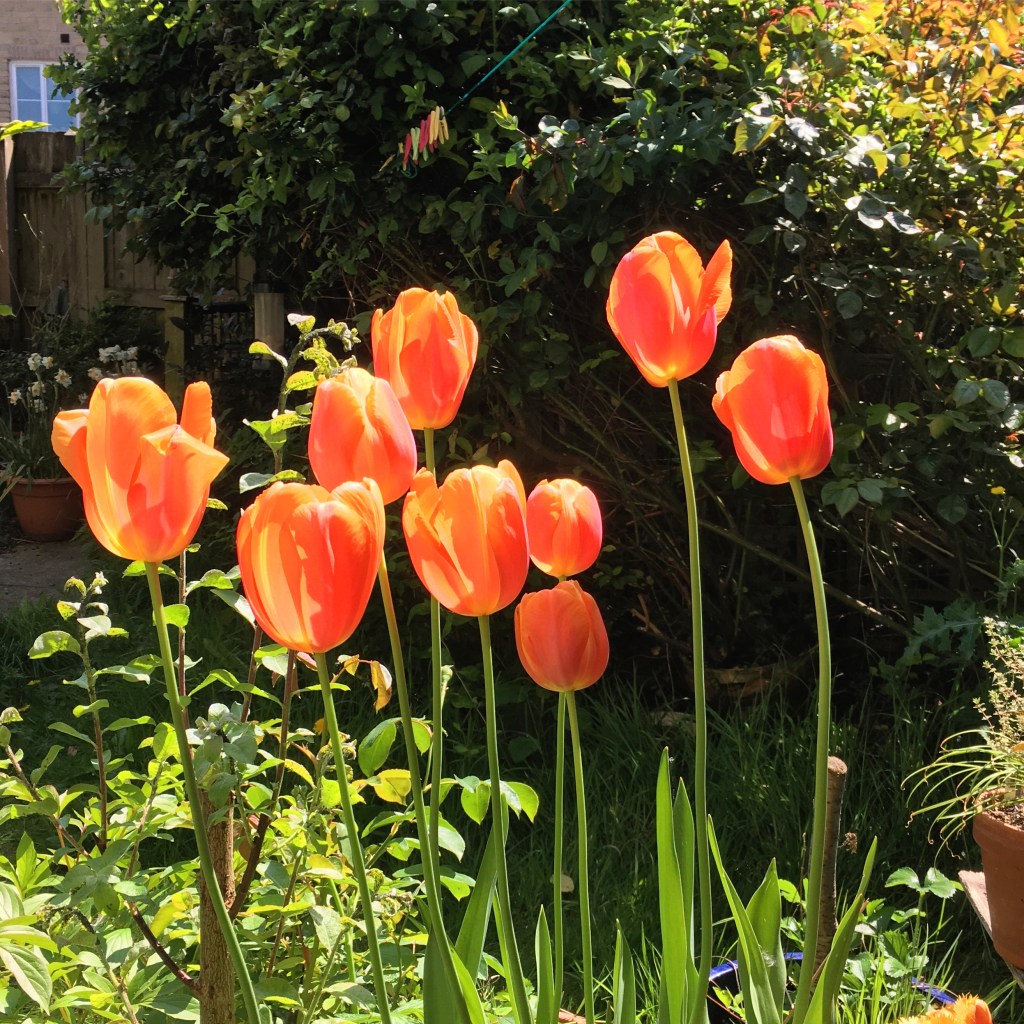
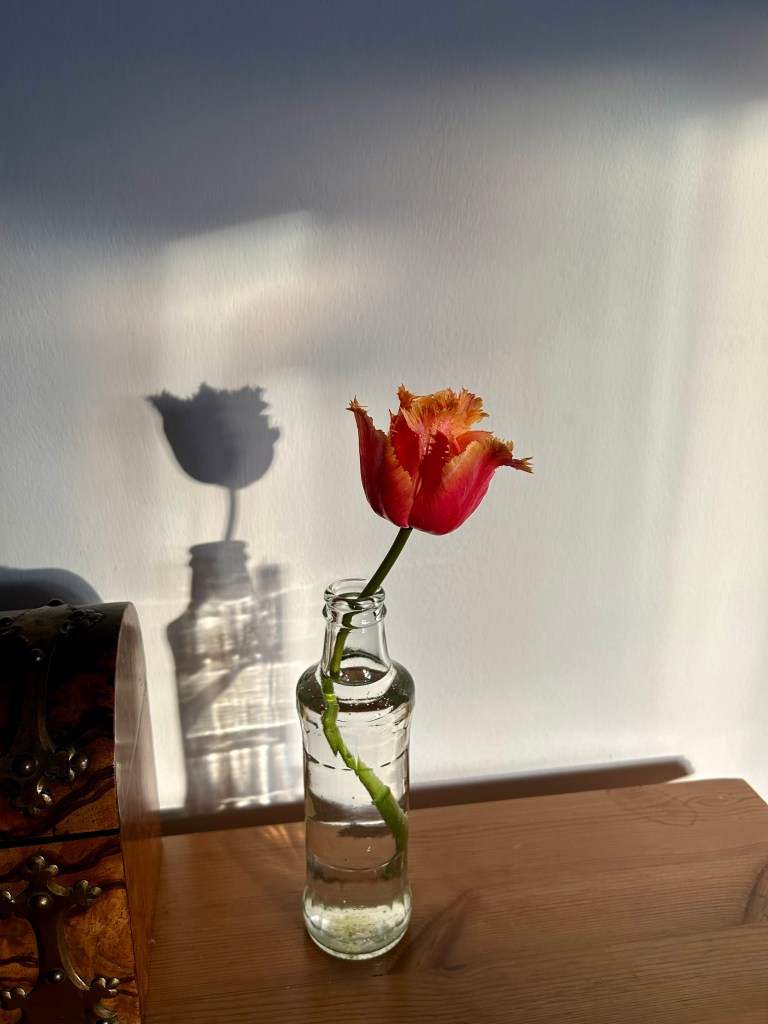
Even one packet of 10 bulbs in a pot or container will make a lovely focal point on your front doorstep, tiny balcony or back yard. And if you cut one or two and pop them in small glass bottles, you can easily bring their freshness and glamour into your home.
7. Tulips are fascinating as they decay
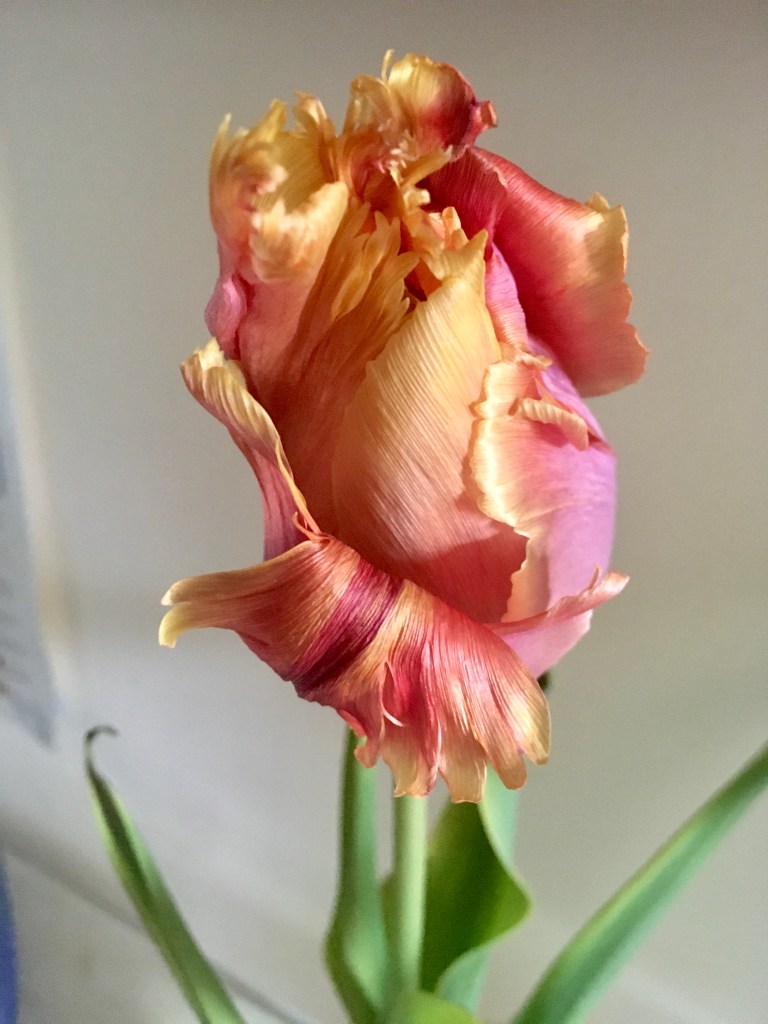
Not all flowers wither well. Some simply drop all their petals overnight and you’re left with bare stems. But if you cut a few of your precious tulips for the house, keep them cool and out of the sun, you’ll be rewarded by watching them gradually fade to more antique colours as they gracefully fade.
8. Tulips love growing in pots or containers
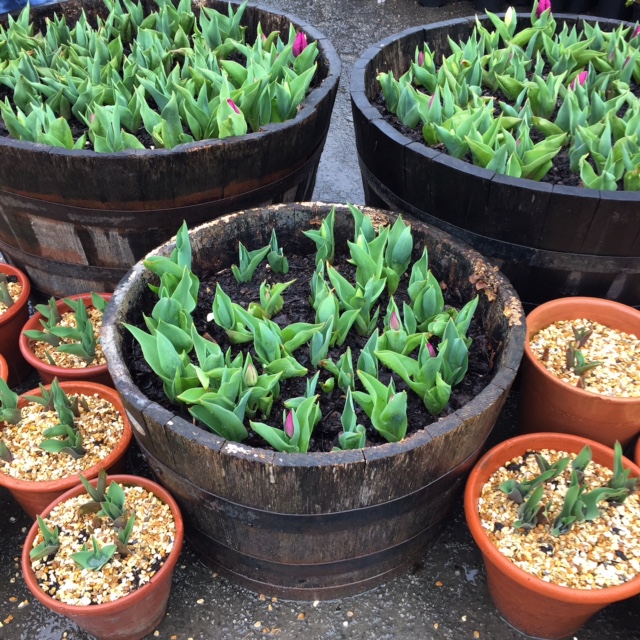
Not everything for the garden enjoys life in a pot. But tulips thrive in them. You can easily move them around your garden to catch the sun, or to a more sheltered spot if it’s windy while they’re flowering.
9. Tulips are great value for money
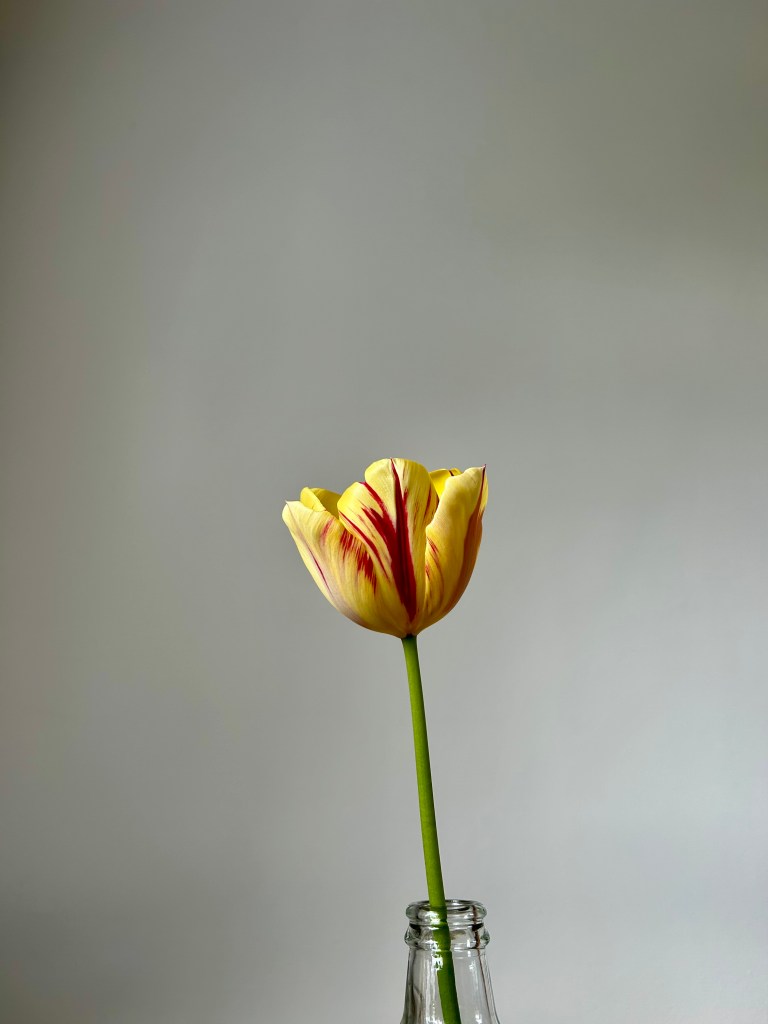
With one packet of 10 bulbs costing under £5 and giving weeks of pleasure, tulips are an absolute bargain. From watching the first chunky shoots appear in March, right through to cutting a couple for your bedroom in May, you get a lot of bang for your buck.
Why are tulips so hard to grow?
So this was a question I found on Google while researching this piece. And it puzzles me a bit because I don’t think they are hard to grow. And I’m the laziest, most haphazard gardener you’ll meet.
Perhaps a more helpful question to answer is…
How do you grow tulips successfully?
When I’m wondering how best to nurture plants in my garden, I look at where they grew originally. Replicating these conditions – as much as I can – reliably gives the best results. And with tulips hailing from central Asia, with long hot summers and brutally cold winters, you can see why they might not love the mild and damp climate we have in the UK.
Tulips need as much sun as you can give them. Which part of your garden gets the most sunshine? And is it well drained, if you want to plant them in the ground? Good drainage matters as much as hours of sun for these glorious plants to do well.
Having said all that, tulips – especially ones grown in pots – will flower so much bigger and better if you water them well in dry spells, once the foliage and buds start developing.
When you’re ready to start planting – in pots or in the ground – pop the bulbs in the soil pointy end up, and 2-3 times their height deep. So if your bulbs are 6 cm tall, plant them around 12-18 cm deep. Although lots of advice says to space them out a bit, I never bother, and it doesn’t seem to be a problem. Crowding them a bit in pots gives a richly dense impact when they flower.
Are tulips better in pots or in the ground?
Given their love for sun and great drainage, tulips thrive when planted in pots with excellent compost. I live in SW Scotland, and it’s simply too wet for most tulips to manage the winter in flowerbeds or borders without rotting. But if you live in London, Kent, Sussex, or elsewhere in southern England, you may well be okay to plant them in the ground.
Growing tulips in pots is ideal for me because I can move them around the garden to follow the sun, and shift them to a sheltered position if it gets stormy while they’re flowering.
When to plant tulips bulbs in the UK
Now, the UK has a very varied climate. Where you live might have high sunshine hours and low rainfall, whereas I live in Scotland, which doesn’t. Planting tulip bulbs for success is about waiting until the temperature drops significantly in the autumn. If you live somewhere where there is frost reliably in October, then go ahead and plant then. But planting tulip bulbs while it’s still mild increases the chances of them getting infected by viruses that can rot the bulbs completely.
I wait until we’ve had a few frosts at night before I plant mine, which can be in December. But I’d rather wait a while than lose them all to disease. Yes, they might flower a bit later, but I don’t mind that, if it’s a way of keeping them healthy.
What are the benefits of growing tulips?
I think something that’s often overlooked when talking about gardening is the simple joy of watching a plant develop. Bulbs and seeds are especially magical because you get to witness a wider range of changes than, say, a tree. And bulbs are way easier to grow than most seeds.
From watching for the first jade green tips emerge in very early spring, to seeing the tiny buds develop, then flashes of colour becoming visible, until the vivid blooms show themselves.
And it doesn’t stop there.
Tulips keep growing in height while they’re flowering, and even when you cut them for a vase. Their colours shift and change as the petals age, fading gracefully and looking glorious at every stage.
What other plant offers so much for so little money?
What are the disadvantages of growing tulips?
Well, of course there are a few, but they’re small ones, I think. And hopefully you’ll agree.
You do need to be a tiny bit organised. The best selection of bulbs is available in summer, which is way too early to plant them. Which means you’ll need somewhere cool, dry and dark to store them until it gets cold and you can plant them. I don’t have a shed or garage, so this is a bit tricky for me.
If you want to plant tulip bulbs in pots, you will need – fairly obviously – containers with drainage holes in the base and good quality compost. Try to buy the best compost you can find because it’ll give them a great foundation for growth. I don’t have many pots and containers, so I have to make sure I have some empty ones ready to go, plus I need to remember to save some compost from the summer for planting them in. You’re probably much more organised than I am, so I’m sure these won’t be big obstacles for you.
Tulips are only flower reliably for one season, which makes them a bit of a luxury in my view. And if you’re on a really tight budget, they might feel a bit frivolous.
If you really don’t think you can justify £5 for a pack of tulip bulbs – I’m genuinely not judging here – then maybe splash out on a hardy geranium that’ll come back, getting bigger and better every year, for around the same price.
Will tulips come back next year?
Most tulips will only flower for one season, which is the spring after you plant them in autumn. There are some exceptions to this, but they’re not guaranteed to come back, especially in the UK where our damp, mild climate is a bit of a challenge for tulips in general.
But if you don’t mind tiny, low growing tulips, rather than statuesque ones, you could have a go at growing some species tulips. I’ve had surprising success growing these in the ground in our garden here in SW Scotland. They’re even happy enough to naturalise underground, so we have more now than when I planted them.
What do tulips symbolise?
Depending where you live in the world, tulips can mean different things. Many cultures associate tulips with fresh starts, hope and optimism. Sometimes love and healing too.
Why bother planting tulips?
So, if you’ve been wondering if it’s worth planting tulips, hopefully you’ve found some great reasons here to give growing them a try. Quite simply, for fabulous spring flamboyance, you won’t find better.
And now all you have to do is choose which ones you’re going to plant.

 Rowan Ambrose
Leave a comment