How to use sensory marketing (so you can sell more online)

What is sensory marketing?
According to the Harvard Business Review:
“For two decades marketers in a variety of industries have been building expertise in reaching consumers through the five senses—learning to deploy cues, such as the sting from a swig of mouthwash and the scritch-scratch sound of a Sharpie pen, that can intensify perceptions of brands.”
So, sensory marketing is where you reach customers through their senses. And where some examples work well in person (have you smelled an Abercrombie and Fitch or Lush store?) you can also use beautiful images and descriptive language to engage the emotions of a reader browsing your website.
What kinds of businesses can use sensory marketing?
Many kinds of businesses can use sensory marketing, though the ones I work with as a sensory copywriter are often artisans, craftspeople and artists. They’re mostly folk who don’t have a bricks-and-mortar shop, so their website is their super important shop window. And their products need to leap off screens for people to feel an emotional connection to them.
Here are a few examples of businesses where sensory marketing can really boost interest in products:
- Perfumer
- Ceramic artist
- Jeweller
- Glass artist
- Chocolate maker
- Coffee roaster
- Baker
- Artist
- Garden designer
- Textile artist
- Handmade soaps and body care producer
What are the facts behind the power of sensory marketing?
Bodo Winter, author of Sensory Linguistics says:
“Taste and smell are more emotional in perception, and the associated words are emotional as well, compared to words from the other senses…”
So, if you want your readers to feel something, whether that’s energised, nostalgic, comforted or uplifted, using sensory language will make that happen.
According to the Zoll study in the Quarterly Journal of Experimental Psychology, experts found that:
“our brains process ‘tangible’ ie sensory words faster” than other words.
And if you want your readers to grasp what your product can do for them, i.e. what problem can it solve, then using sensory language will make that happen fast.
By using sensory language in your marketing you get the double gold of making your readers feel something fast.
How does sensory marketing work?
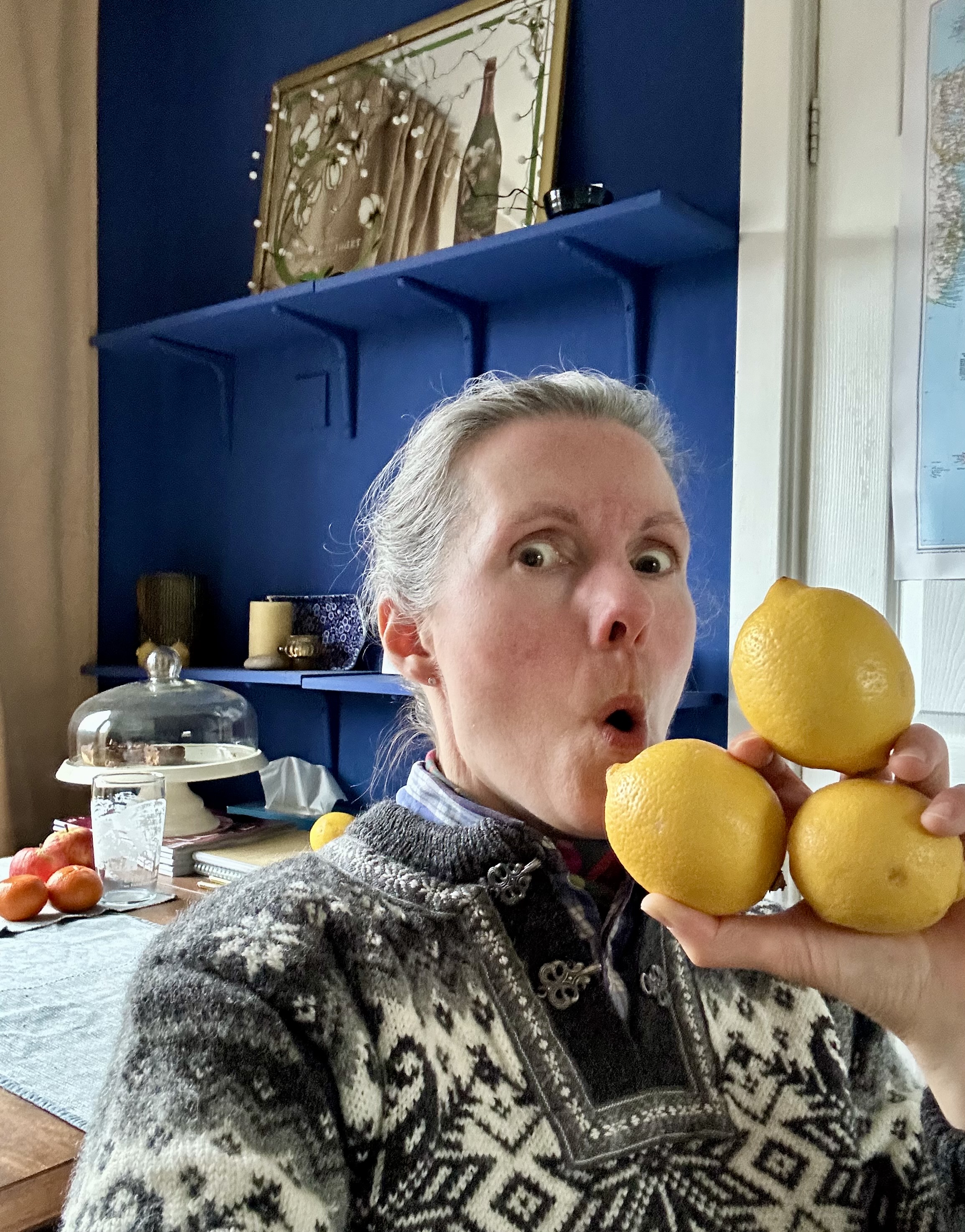
Imagine a lemon…
Go on, just for a minute or so.
A big, fat, vividly yellow lemon. You can feel its slightly waxy, bumpy skin when you pick it up.
Now you’re placing it on a small wooden board.
Then, taking a smooth handled knife, you cut a thick slice off the lemon.
The chunky slice falls over on the board—gleaming juice trickling out of the succulent flesh.
You take the slice and place it in your mouth.
Bright, zesty, tangy; tiny juice pearls burst over your tongue and there’s a flash of bitterness from the skin. Sharp, sour, refreshing. Invigorating.
Is your mouth watering yet?
And that is the power of sensory marketing. Your mind and body responding to words written on the page. Isn’t it magical?
Sensory marketing for perfume brands
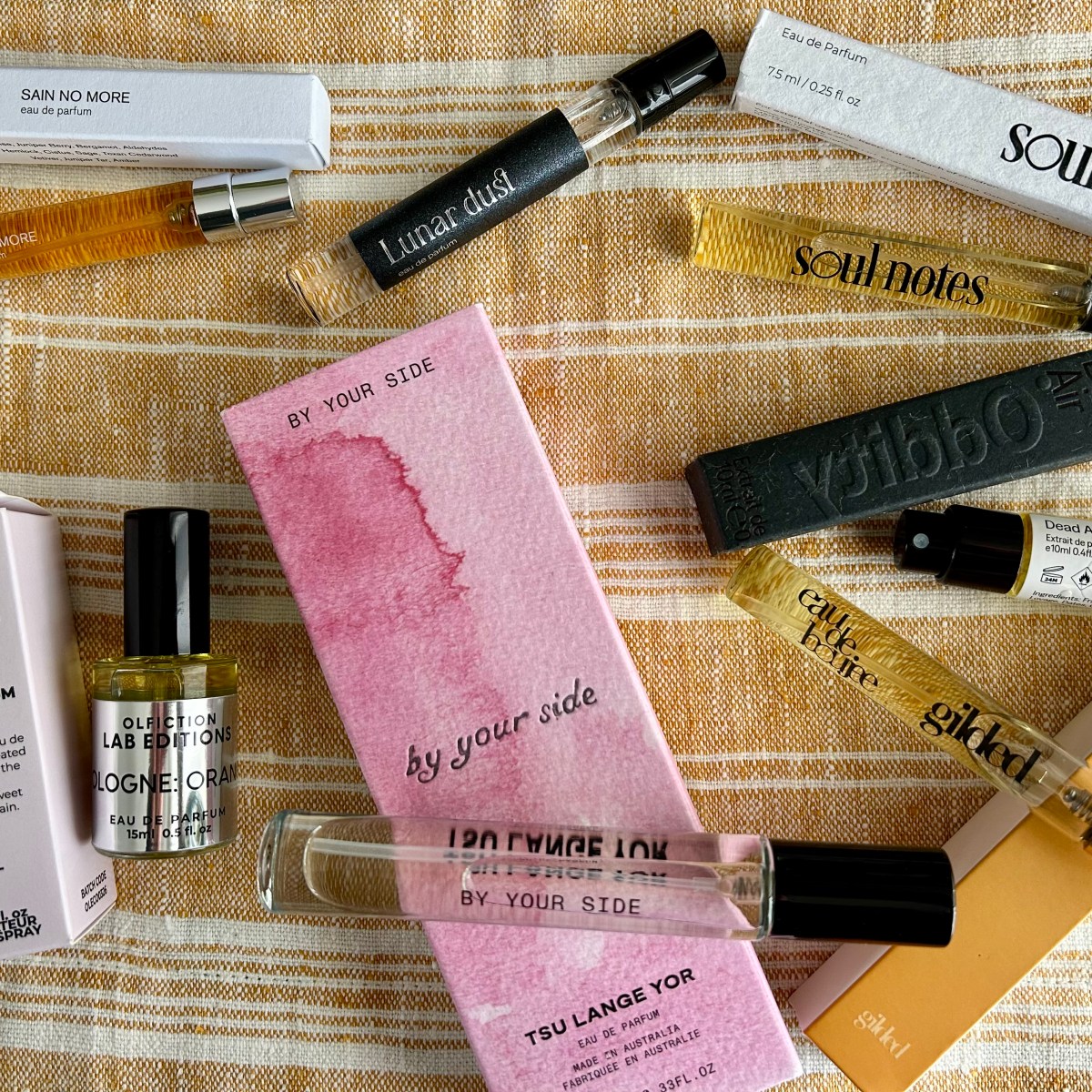
It’s especially difficult for perfume brands to convey the beauty of their fragrances through a website. But it’s perfectly possible. By combining compelling storytelling with eye-catching visuals, the reader will be able to make an emotional connection with a scent and feel what it’d be like to wear it.
There’s that word again: feel. Sensory marketing is all about helping people to feel something about your product. What textures, sounds or other sensations could you write about to help someone imagine using it?
Shloksha
I worked with perfumer, Jay Patel, to highlight his unique blending of classical French style perfumery with traditional Indian raw materials. Painting a picture of one of Jay’s childhood experiences invites the reader to imagine the sensory delights of visiting a Krishna temple.
Perfume description:
Escaping the scorching and blinding dazzle of the Indian sun, you respectfully slip off your sandals and gratefully enter the Krishna temple. You know that only in Madurai and Mathura, Krishna is honoured with kadam flowers, and you’re curious to see some. Gleaming marble surrounds you, and you feel the cool air against your flushed cheeks. A bell chimes gently.
Quietly joining the queue of worshippers, soft fabrics swishing, you start moving slowly clockwise around the temple. Your eye is caught by a garland of distinctive kadam flowers decorating the magnificent statue of Krishna—breathing in the sweetly fresh and invigorating aromas of these revered blooms, you feel instantly more serene and composed.
Breaking your reverie for a moment, a horn blasts through the temple door. You glimpse a vintage car puffing past and a thread of petrol reaches you.
A burst of refreshing rose hydrosol from another part of the temple floats over to quivering nostrils and you’re bathed in radiance.
What a divine feeling.
Madurai and Mathura is the perfect perfume partner for when you want to feel:
Energised, balanced, joyful
Ideal occasions for maximum Madurai and Mathura enjoyment:
Madurai and Mathura is a perfect perfume for carefree weekends spent with friends and family. Strolling along a riverside, meandering around botanical gardens, or a peaceful solo trip to an art exhibition, Madurai and Mathura will be an effortless companion for you.
Mabelle O’Rama
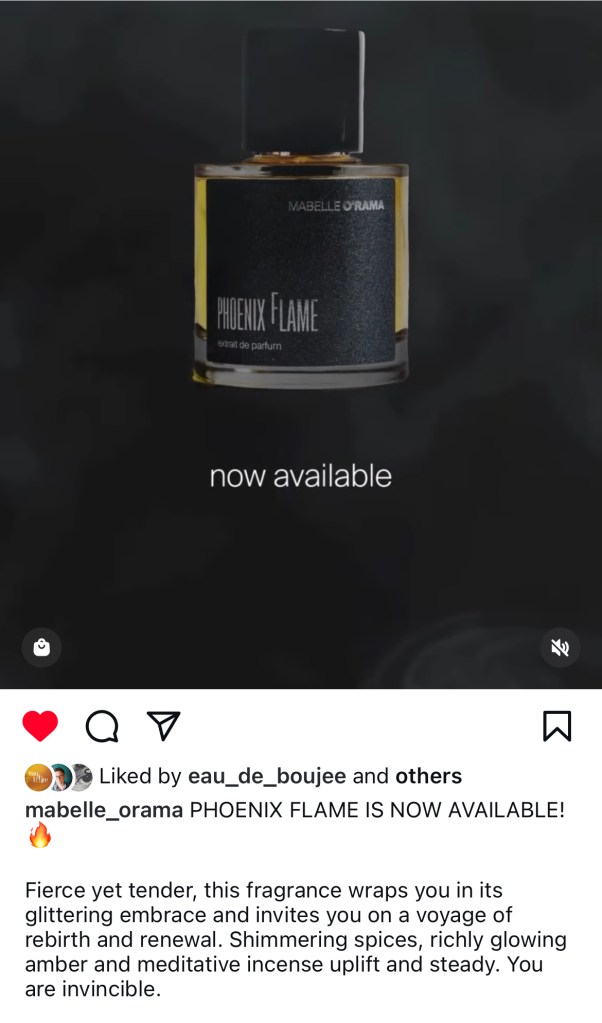
For perfumer Mabelle O’Rama, I worked on evoking the feeling of empowerment that can come from wearing certain perfumes. Fragrance can be very bolstering and offer strength in difficult and uncertain times.
Sensory marketing for jewellers
Lydia Niziblian
Lydia is an independent designer and jeweller based in Wales. Her fabulous creations have even been worn by the 15th Dr Who. Lydia was kind enough to share these images of some of her favourite creations which I’ve written short, sensory descriptions for underneath.


Sensory marketing for glass artists
Elin Isaksson Glass
Glass blower, Elin Isaksson, is originally from Sweden, but now has her studio in Dunblane, Scotland. I contacted her after being mesmerised by the wee videos she shares on Instagram, showing her strength and dexterity handling glass. I really enjoyed writing this short, sensory description of these stunning vases.

Could you use sensory marketing in your business?
Hopefully now you’ve got an idea of how powerful sensory marketing is. If you’re struggling to sell your products online, how about giving it a try yourself? Or, if you’d like to free up more creative time so you can work on your next exciting project, how about getting in touch to see how I can help you?
Here’s where you can find out more about my sensory writing and perfume copywriting.





 Rowan Ambrose
Leave a comment