
Yes, you CAN be a successful gardener if you have ADHD
Full disclosure here: I’m autistic and have ADHD, so these tips are based on my experience of what helps me to garden successfully. As you’ll know, any kind of neurodivergence is very personal and specific, so what works for me might not work for you.
Neurodivergence is a huge umbrella term, so feel free to get in touch if you’re neurodivergent and you’d like me to add more of your personal insights to this blog post.
ADHD, gardening and mental health
Having ADHD is a struggle, isn’t it? The world’s not set up for us to succeed in conventional ways and thrive as individuals. All that floundering is exhausting and can take a toll on your mental health, which is why gardening can really help.
“Gardening is good for you, we knew that already, but now this simple but powerful fact is being acknowledged by health professionals who are adopting social prescribing as part of the latest NHS Long-Term Plan, published in January 2019.”
Royal Horticultural Society, October 2019
Getting absorbed in gardening activities can also help with focus. Moving your body as you handle pots and compost, maybe digging some holes, then concentrating on one activity can give a great feeling of accomplishment. How about giving gardening a try?
Keep it small to start with
Becoming mildly obsessed with new interests is part of my life. Sometimes plain obsessed too. So if you’ve just discovered the joys of gardening books, magazines and videos and want to get stuck right in, then welcome—it’s great to see you here.
But, over the three decades I’ve been gardening, I’ve learned – the hard way – not to give full rein to my enthusiasm immediately. Big spending as a beginner gardener can lead to feelings of frustration, guilt and shame as impulse buys fail to thrive because they’re not easy-care, low-maintenance plants.
Lack of motivation can be a real struggle for us folks with ADHD, so keeping your plant collection very small at the beginning makes everything more manageable. Your gardening tasks will take mere minutes, so they’ll feel more achievable. Buying one low maintenance plant is the best way to dip your toe into the warm and soothing waters of gardening and see if it suits you.
How about reading my post on the best garden plants for beginners?
Once you’re successful with one plant, your confidence will grow along with the plant. Your motivation is likely to increase too, and that’s the time to consider adding to your plant collection.
Sequencing and seeds
Lots of us with ADHD love the idea of growing from seed. I can completely understand why, as the dynamic nature of germination is fascinating, and you get to see the whole plant develop in a few short months.
BUT. Seeds, at every stage of their development, need frequent attention. Often daily watering, you’ll need to pot them on, pop them outside to get more light and get used to cooler temperatures, then remember to bring them back in at night.
Seed compost, little seed trays, labelling, moving them around—it’s a bit fiddly, isn’t it? And all that sequencing can get overwhelming.
Now, I’m really not trying to suck the joy out of seed sowing. But I have learned the very hard way that growing seeds doesn’t really suit my haphazard and neglectful ADHD style of gardening. And, to be fair, living in Scotland without a greenhouse or potting shed makes it more difficult anyway.
If you’re dead set on sowing seeds, then I’d recommend trying calendula, nasturtium, cornflowers and borage because they’re so easygoing, even I can manage to grow them. You can sow them and they’ll grow and flower happily on a sunny windowsill. Sweet peas are great too, if you’ve got a fence or similar they can scramble up.
Easy care shrubs for low maintenance gardening would always be my first recommendation for gardeners with ADHD. Once planted and well watered in their first year, shrubs need barely any effort from you, apart from admiring glances. All the shrubs I recommend will grow brilliantly in containers too, so don’t worry if you don’t have flowerbeds or borders.
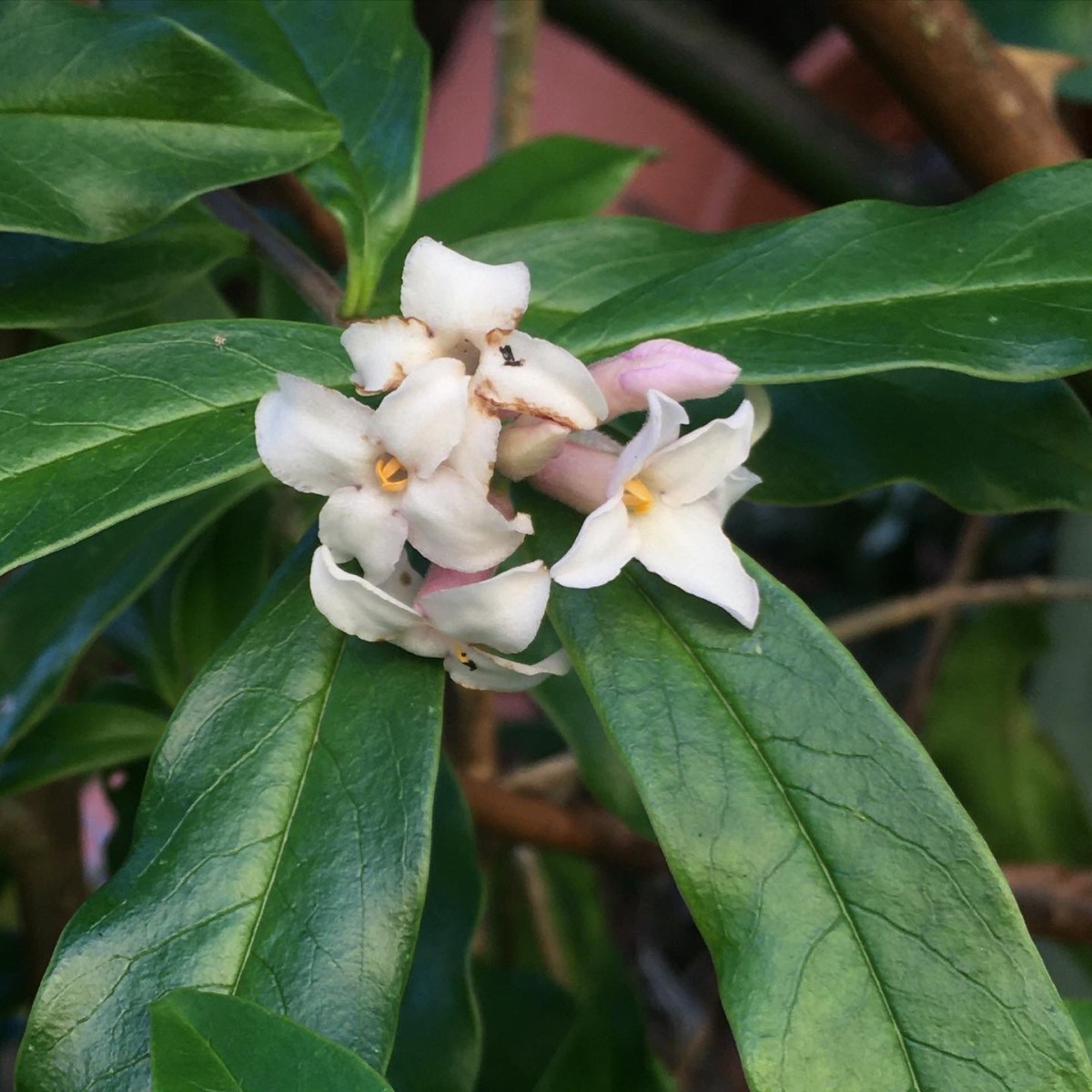
You can get fragrant shrubs for glorious scent, evergreen shrubs for year round structure, prickly shrubs for security, deciduous shrubs for blazing autumn colours, shrubs for sun, shrubs for shade—the list goes on.
Hardy perennials will give you months of colour in your low maintenance garden with almost zero effort. Yes, they seem to disappear as they hibernate during winter, but they’ll come back bigger and better next year. And the year after that.
Plan your plant purchases
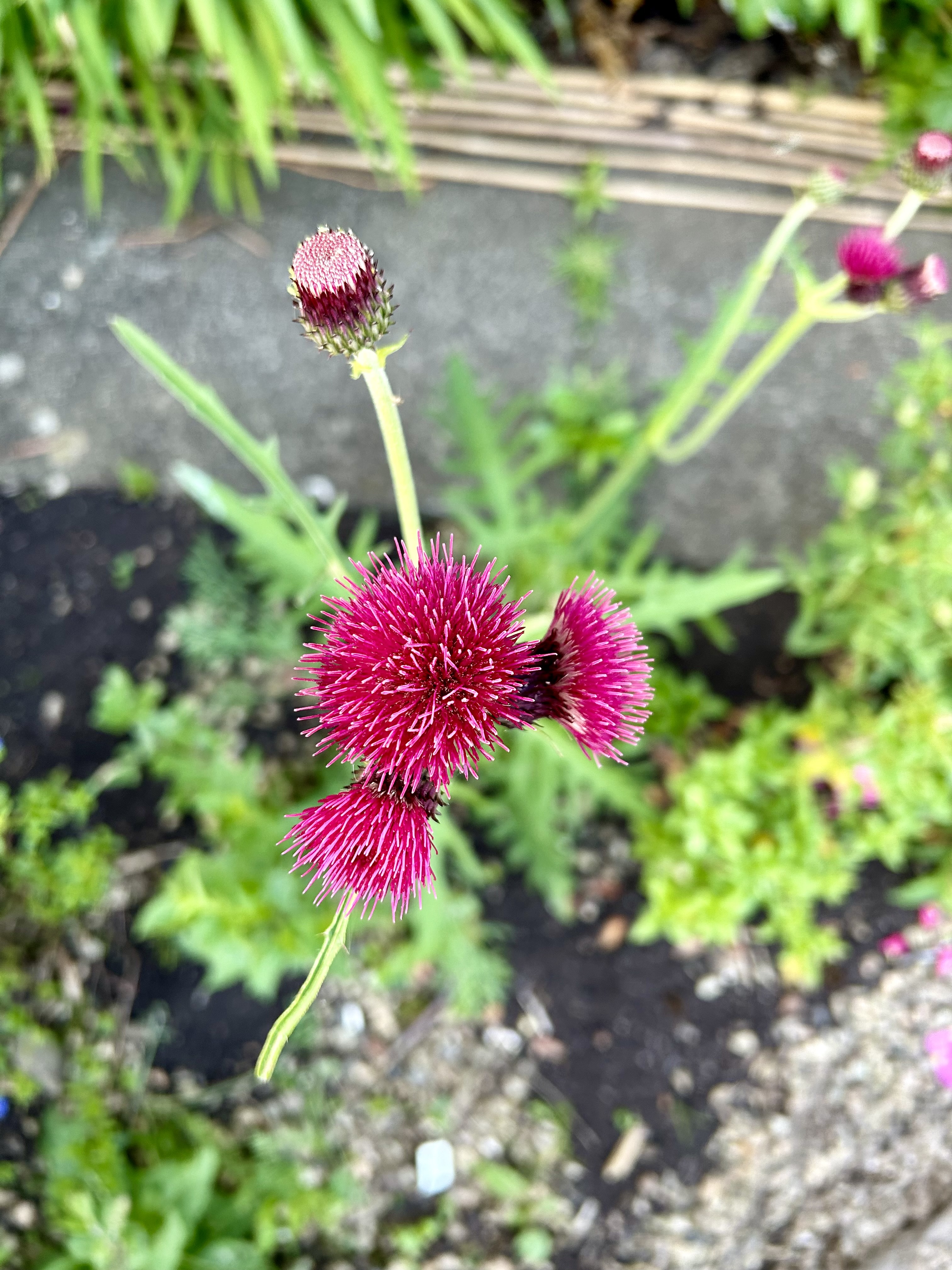
This might sound boring but saves a LOT of money, time and energy. Garden centres are very sneaky at making tempting seasonal displays of the neediest and trickiest plants to grow. Going armed with a list of specific, low maintenance plants will help you focus on ones that will thrive with the least effort from you.
Try to shop at independent garden centres if you possibly can. They’re being squeezed out by massive home improvement chains who sell so much plastic tat, they’ve hardly got room for good quality plants. If you shop independent, you’re much more likely to get friendly, expert advice too.
If you don’t have a good local garden centre, these are some of my highest rated plant and tree suppliers that sell online and post throughout the UK.
Build in wiggle room
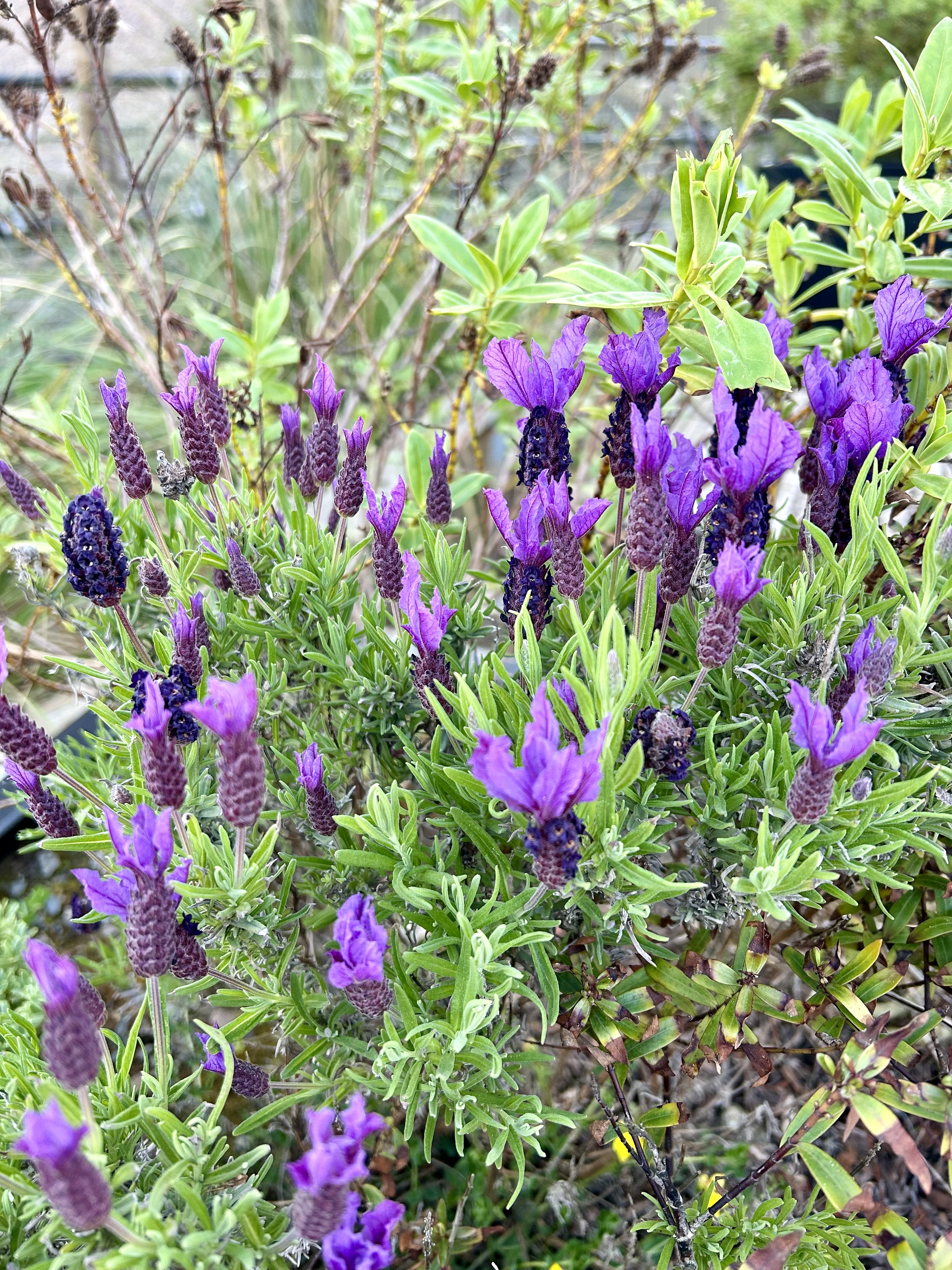
I don’t know about you, but I seem to collect hobbies and interests. Shiny new subjects will always entice me – temporarily anyway – away from my established hobbies like gardening. But if you choose low maintenance plants, this needn’t be a problem.
If I get stuck into mediaeval sword fighting techniques over a spring weekend, my roses, shrubs and hardy perennials won’t even notice. They’ll still be there, patiently photosynthesising away, when I emerge blinking into the sunlight. Not the case for seedlings or frost tender plants at all.
Plant along with a buddy
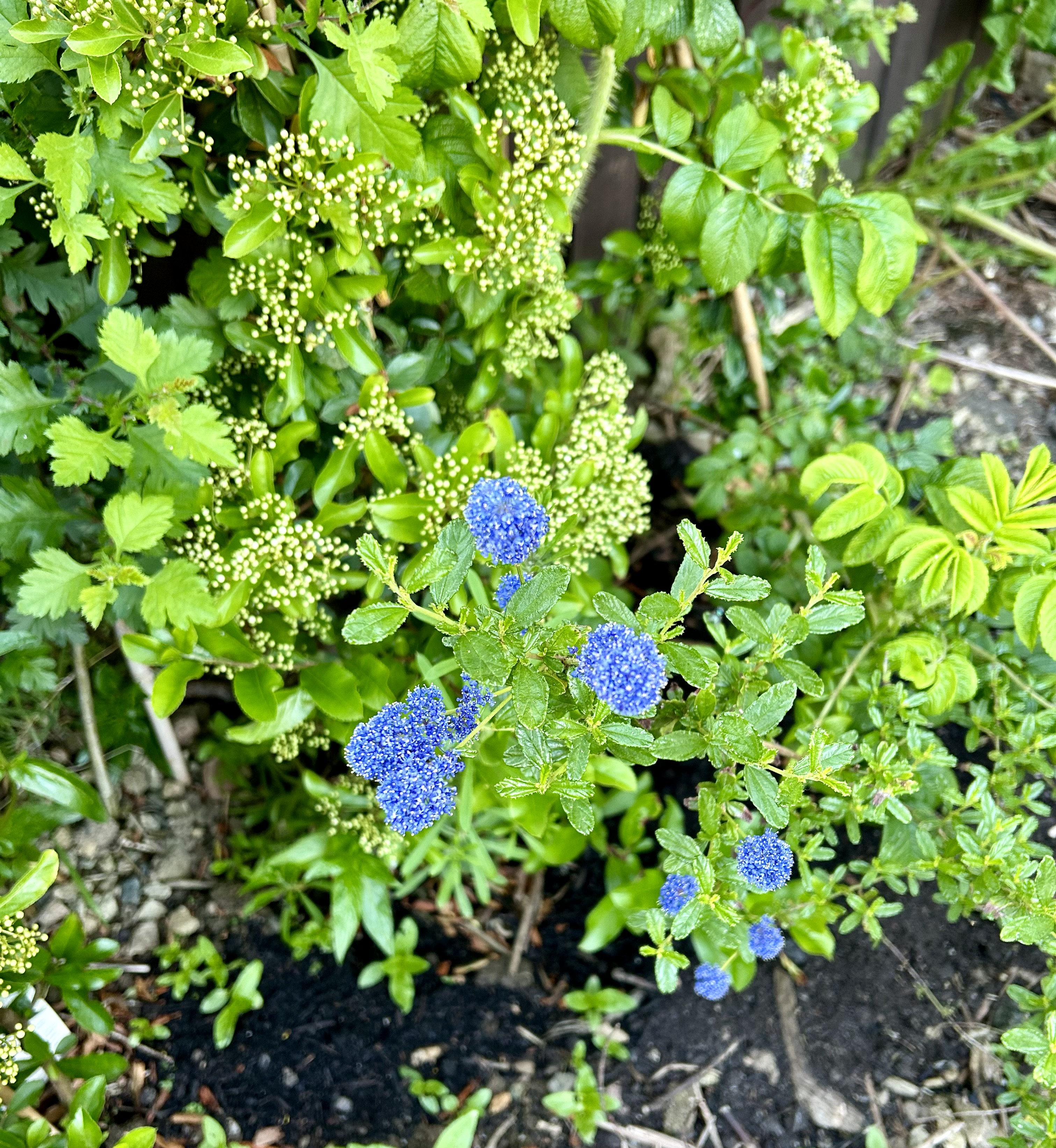
Accountability can be super helpful and motivating when you have ADHD. Chatting with a friend about your plants, swapping watering schedules and increasing your collections can help you stay on track with your garden plans. Shared enthusiasm is a magical thing, so see if you can find someone who’d love to plant along with you.
Grow some fruit
Having been so harsh about the realities of seed sowing and growing, I know this means that the prospect of growing your own vegetables is less likely now. (Or you might choose to ignore me completely and do it anyway—if you do, and you’re successful, I’d love to hear about your strategies!)
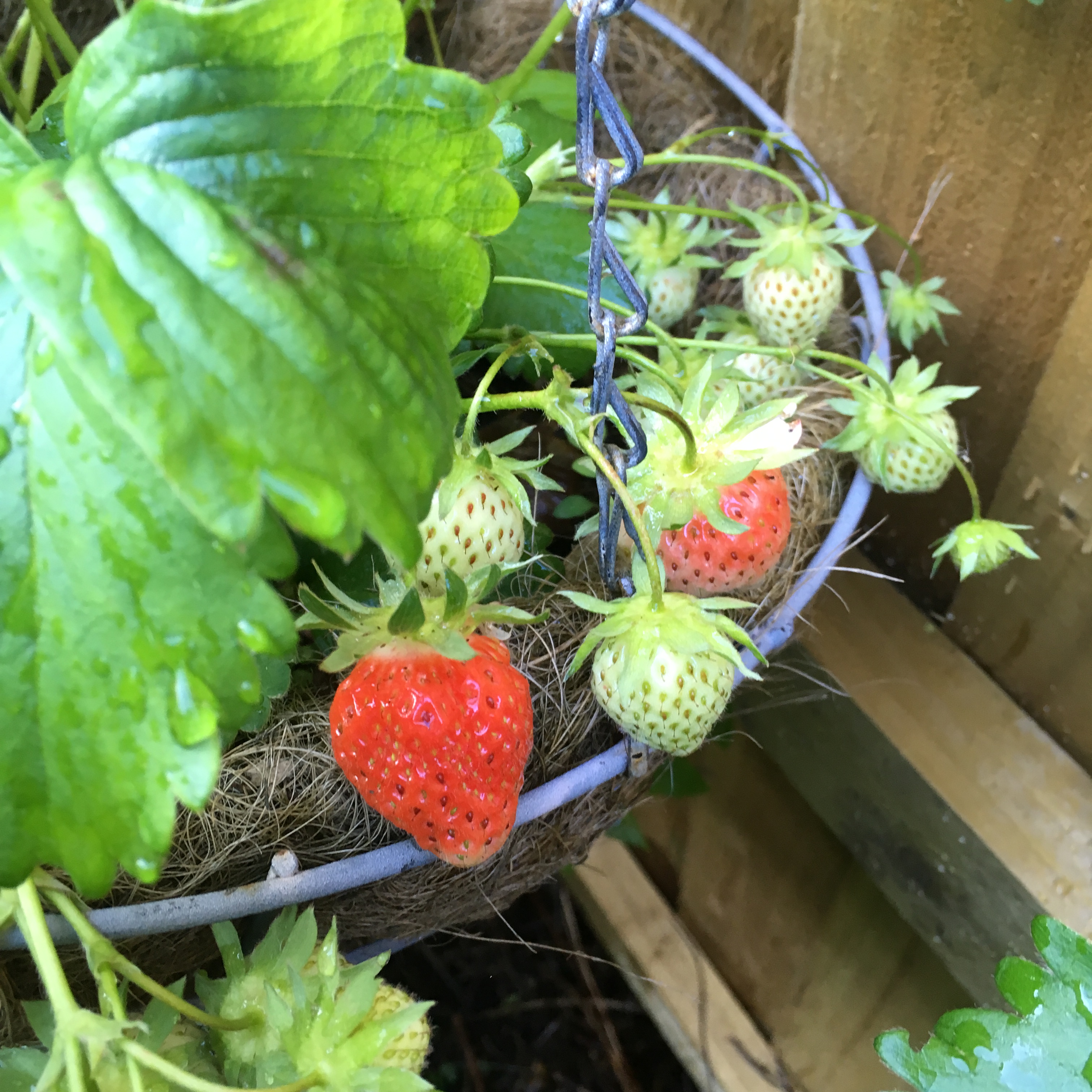
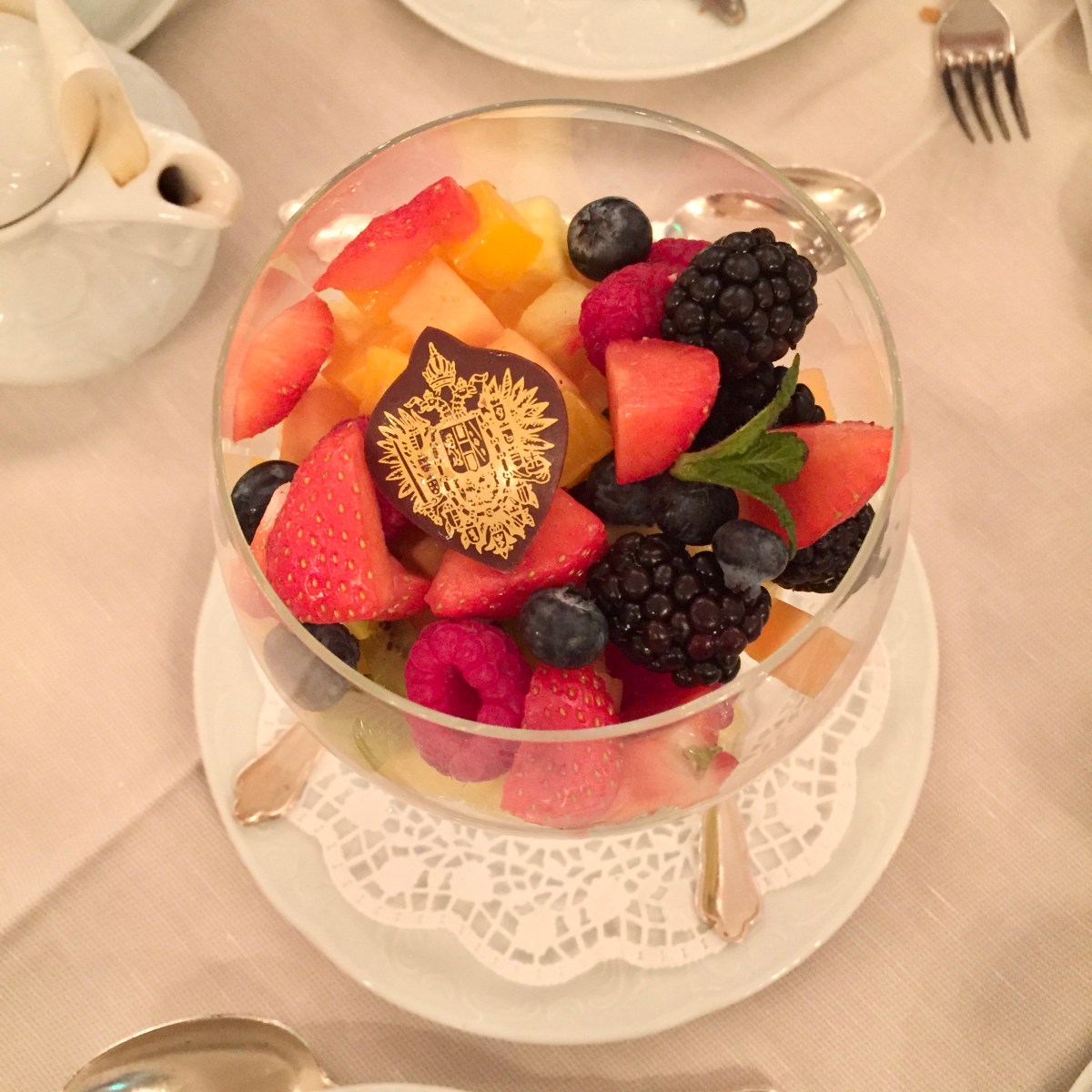
But not growing vegetables doesn’t mean not growing food. Fruit can be incredibly easy to grow, even if you only have a tiny outdoor space. Strawberries would be my first choice because they fruit in their first year, they only need watering and some feeding, and you’ll be picking plump, luscious berries for breakfast in summer. You can easily grow them in hanging baskets and containers which also protect them against greedy slugs.
If you have more space, blackcurrants, whitecurrants and redcurrants are easy to grow, as are gooseberries. They’re also expensive to buy in grocery shops, so you’ll be doing your wallet a favour if you grow these too.
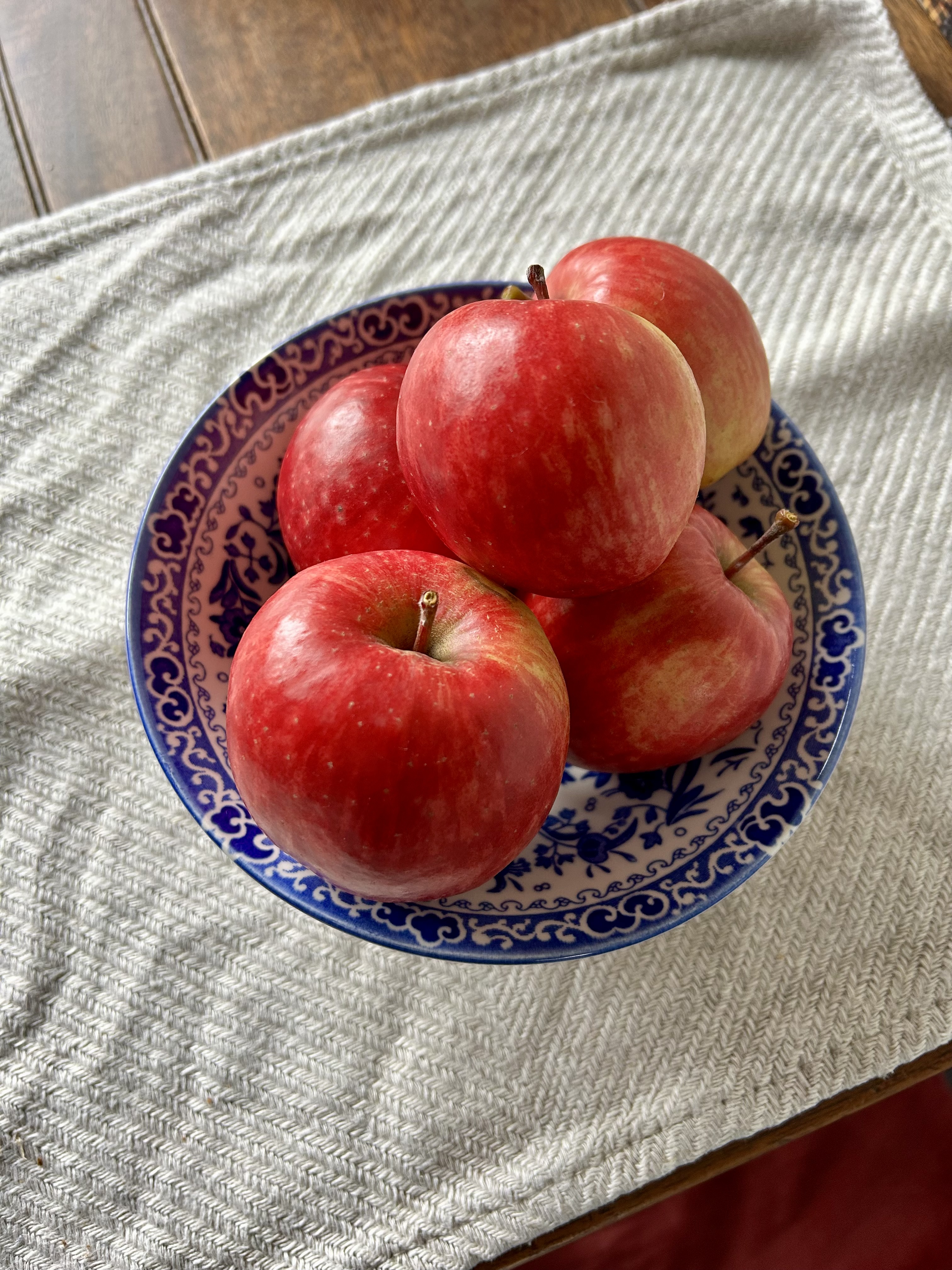
Have you got room for a tree? If so, I’d cheer you on very loudly if you planted an apple tree. You can get dwarfing varieties that don’t grow hugely tall, so you can reach the branches to pick the fabulous fruits.
My first choice of apple tree would have to be Red Falstaff. Planted in late winter, ours gave us 11 apples the same year and it’s groaning with fruit now in its second year.

We also have a sweet cherry tree that’s been growing in a plastic pot for about 7-8 years now, and gives us handfuls of gleaming and juicy cherries every year, that would cost a fortune in the shops. Birds love them too though, so you’ll need to keep an eye on them as they ripen.
Eating what you grow satisfies a very simple but strong urge in most of us, and can be incredibly motivating when you taste – quite literally – the fruits of your efforts.
Nature wants to find a way
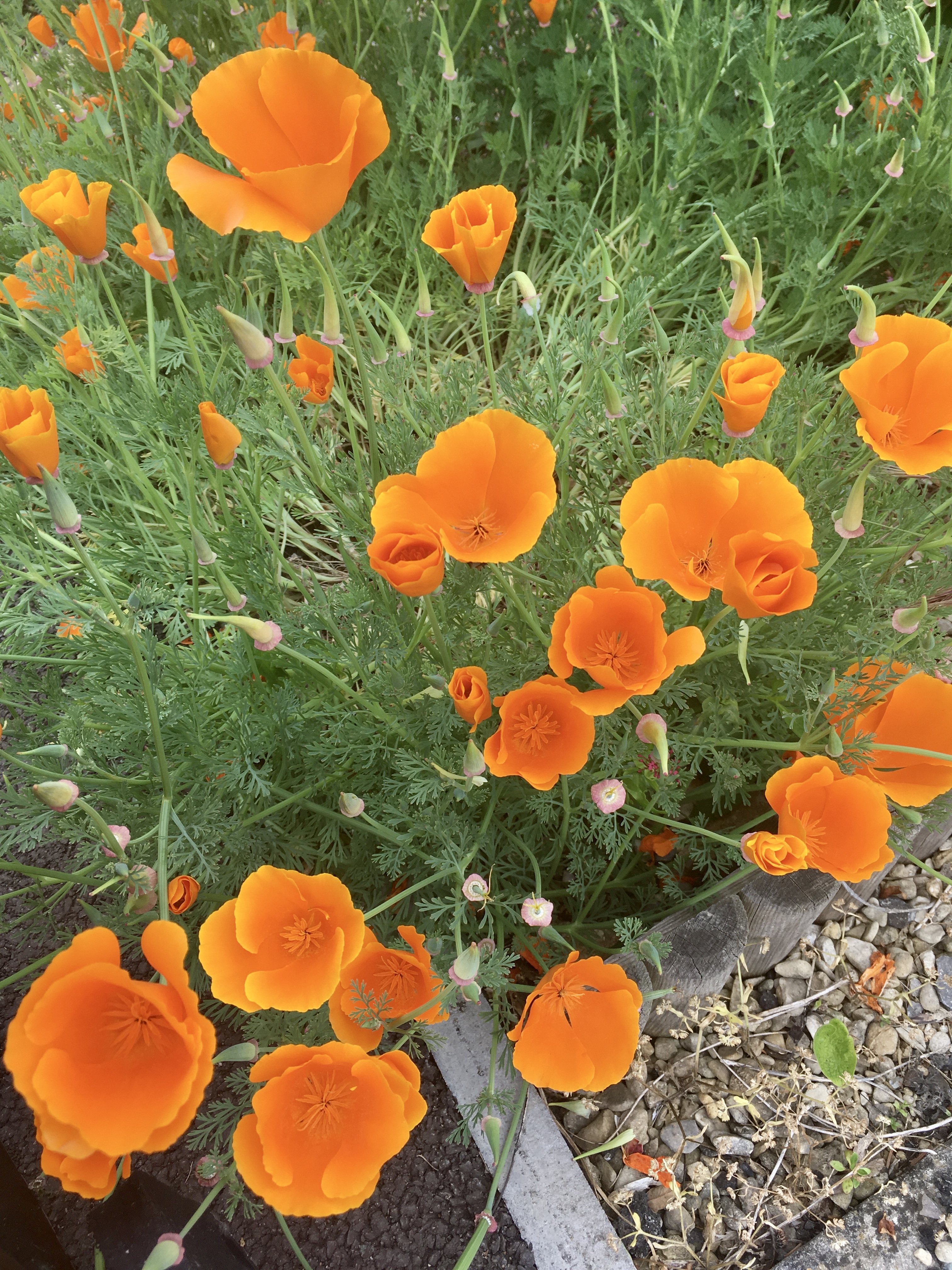
Self seeding plants like borage, California poppies, lychnis coronaria, nigella, aquilegia, mallow, poppies and cornflowers will gaily make your garden their home if you welcome them in. Their seeds might blow in from a neighbour’s garden, so go carefully if you’re weeding! They’re all pollinator friendly and hardy, which means it doesn’t matter if you get some snowy weather in the winter.
Having ADHD makes life challenging. But having a go at gardening, remembering to keep everything small scale at the beginning, may be just the tonic you need to boost your wellbeing. I hope it brings you as much joy as it does me.
If you’d like more bespoke advice about finding your perfect plant partners, how about booking a garden consultation with me?



 Rowan Ambrose
Leave a comment