Why is weeding important? When you do and when you don’t need to weed your garden
Worn out and weary with weeding? Do you really need to exhaust yourself with such a fiddly, tiring and repetitive garden job? What would happen if you simply didn’t bother?
Why do you need to weed your garden?
As always, it’s about context. Weeds are opportunistic plants that will compete with your carefully chosen garden gems for light, sun, water and nutrients. In some situations, weeds could pose a problem, in others, really not as much as you might think.
Why is it important to remove weeds?

If you’re growing vegetables, then yes, you will get far bigger crops if you weed around your plants. Vegetables have A LOT of growing and developing to do in just a few short months, so they need all the help they can get. Being crowded by vigorous weeds will mean fewer vegetables and probably smaller ones too.
The same principle goes for container gardening. Growing plants in pots is one of the best ways to include them in situations where digging into the ground really isn’t an option. Think patios, small backyards, balconies and similar.
But plants in containers can’t spread their roots far to find water and nutrients—they’re completely dependent on what is within their pot. Which is fine as long as they’re watered regularly and fed once or twice a year. Unless they’re being swamped by weeds.
And if you’re growing vegetables in containers, then it really is important to keep those weeds down, or you’ll be very disappointed by the size of your harvest.
When do you NOT need to weed your garden?
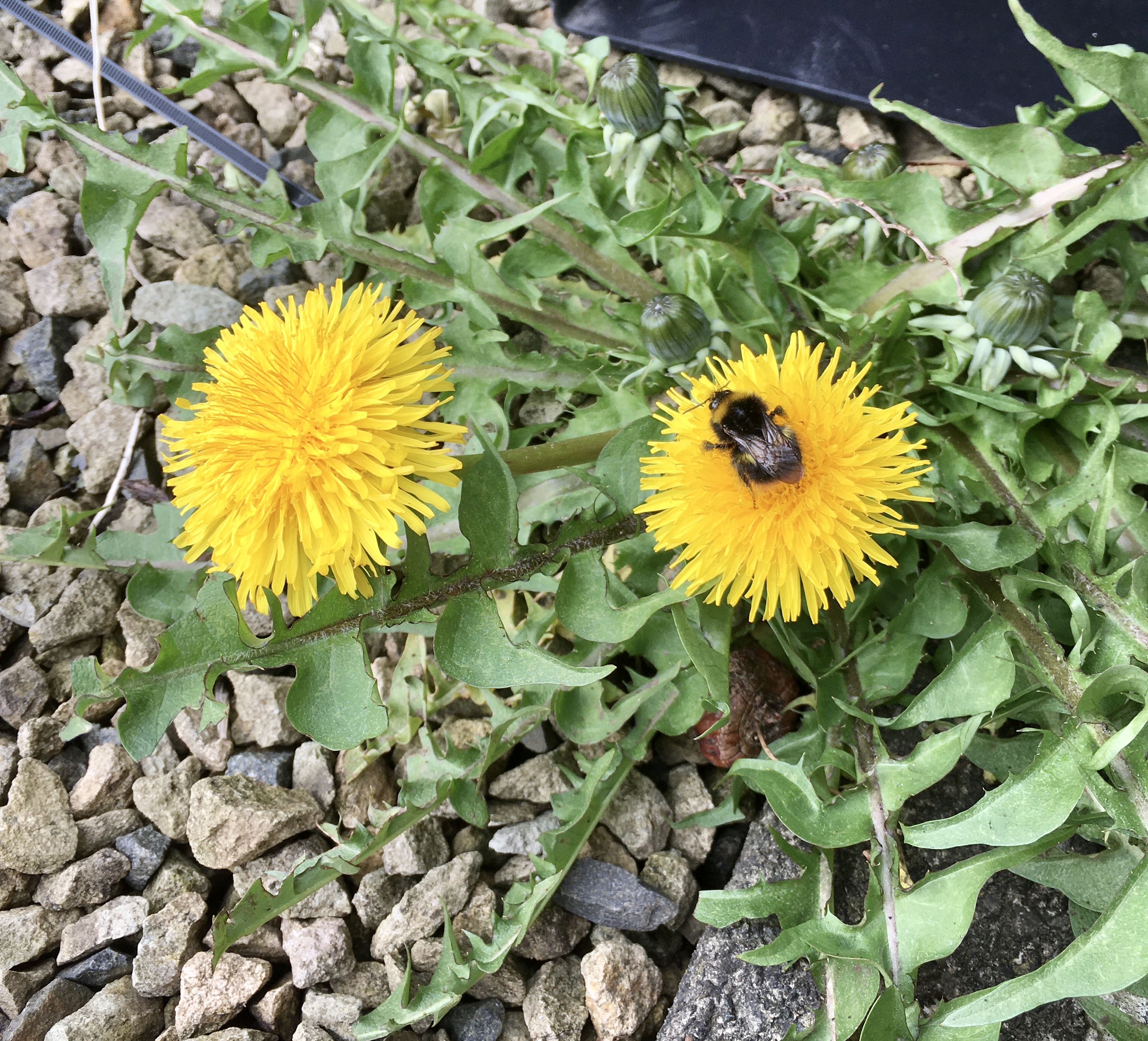
Most flowering weeds are valuable sources of food to our precious pollinators. Think of the golden buttons of dandelions, the icy stars of daisies and the deep purple of nettles. All fabulously rich in nectar and pollen for bees, hoverflies and butterflies.
Mindlessly pulling them – or, horror of horrors, using weedkillers – reduces available food for the fragile web that is your neighbourhood ecosystem.
As George Washington Carver once said, “A weed is just a flower in the wrong place.”
If you’re used to looking at a smooth, green and perfect lawn, I understand that looking at bold dandelions on it might be a challenge for you.
Could you perhaps compromise by digging up one square metre of lawn or flowerbed and devote it to growing wildflowers? Just this small adjustment will make a huge difference to your local wildlife. Birds love to feast on the seedheads of wildflowers and will keep you entertained through the dark winter months.
Planting hardy perennials will help you here. They grow bigger and better every year to fill your flowerbeds and borders with so much fabulous foliage and flowers, the weeds won’t get a look in. They’re my top choice if you’re looking to avoid all those patches of bare earth that seem to magnetically attract weeds.
What is a weed anyway?
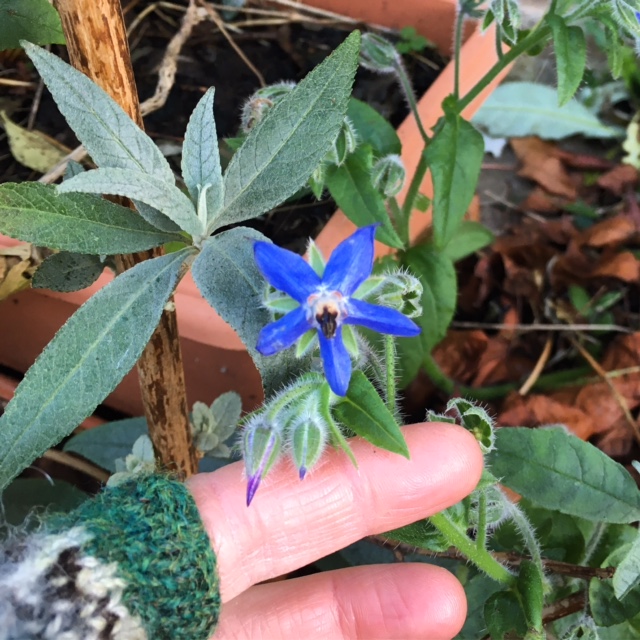
What one person considers a weed, another might consider it to be a flower and be overjoyed to see popping up unexpectedly.
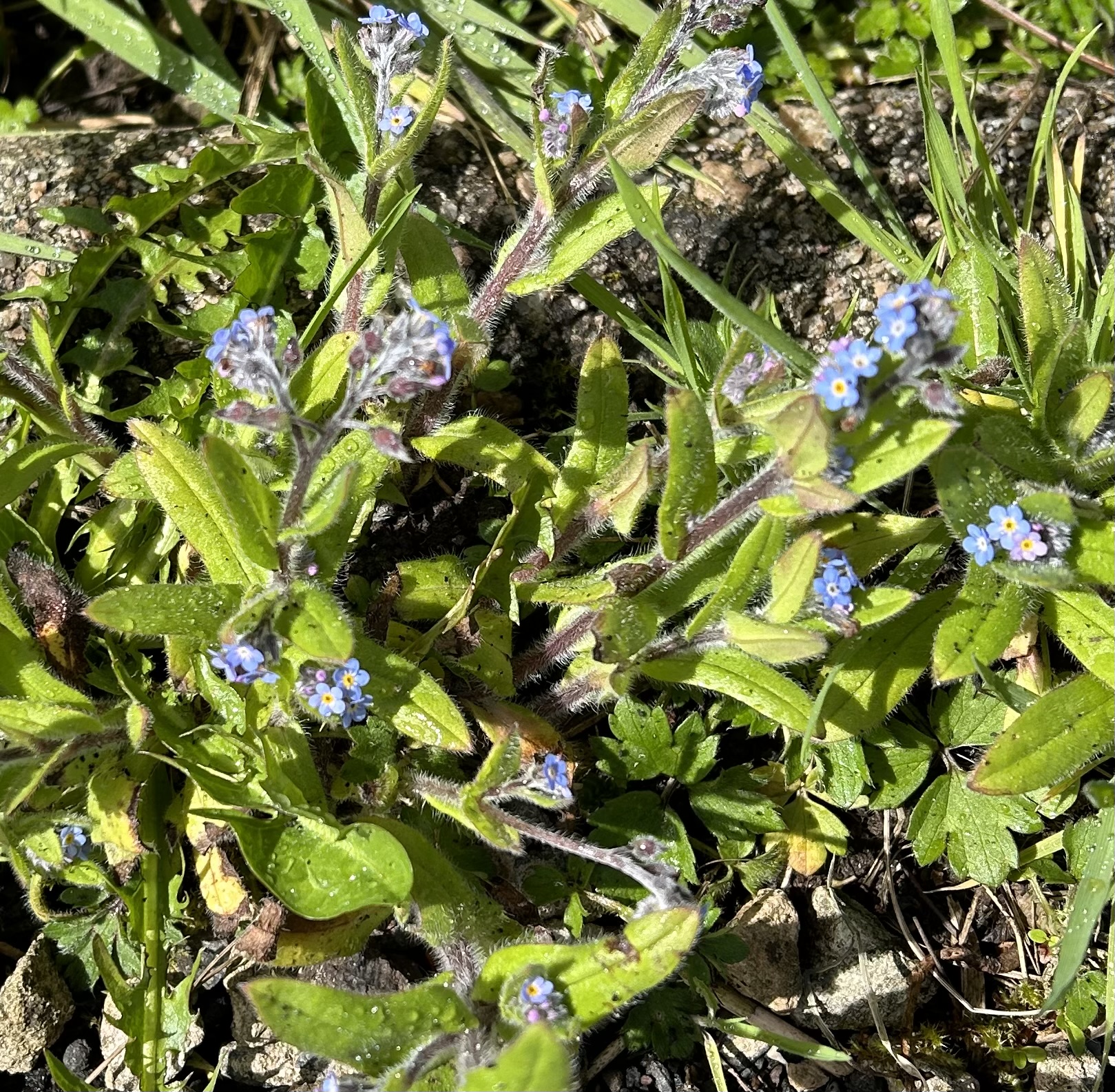
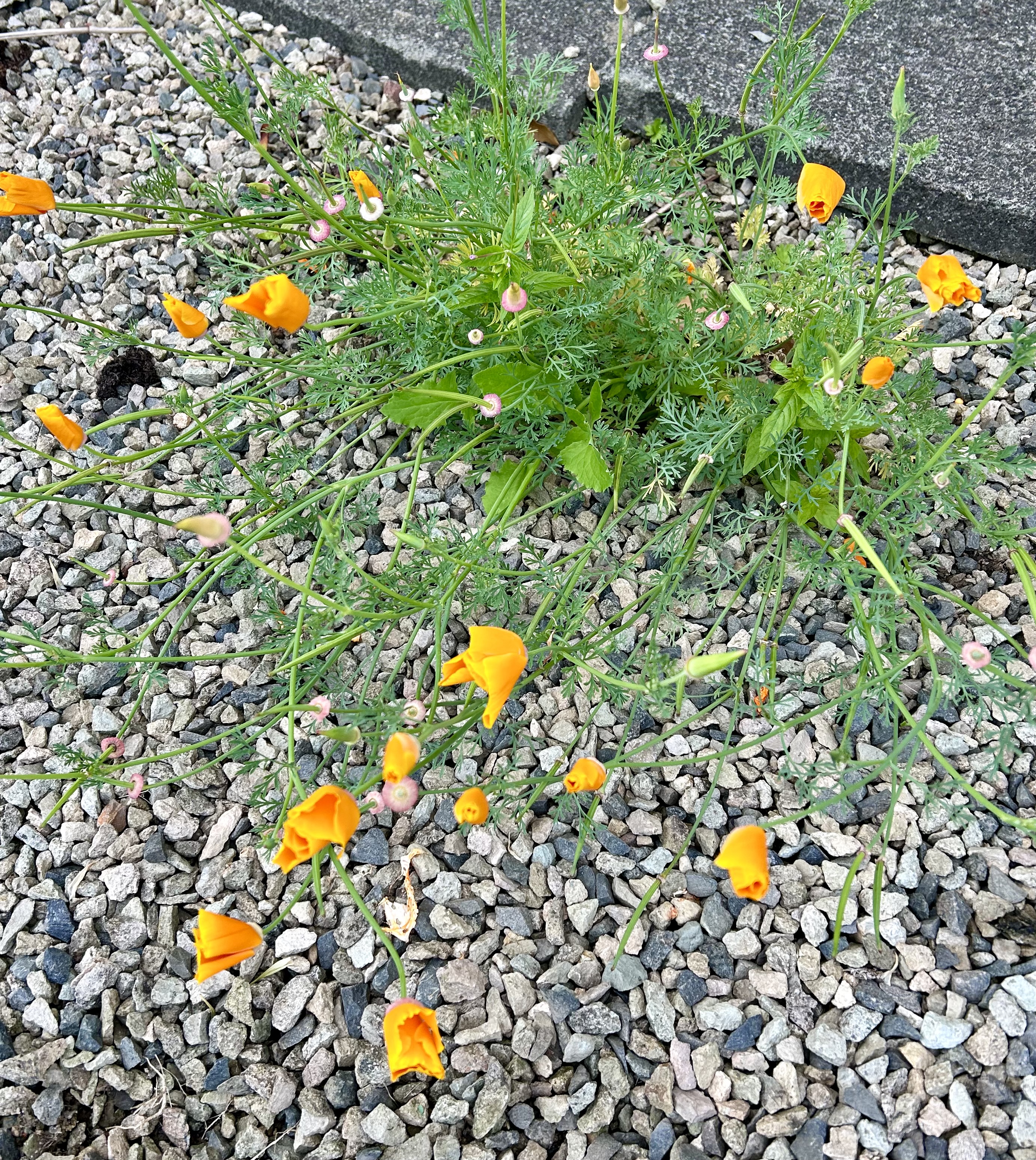
Flowers that self seed readily are the one of the low maintenance gardener’s best friends. Choose from borage, California poppy and forget-me-nots to spread some sparkling colour into bare soil areas. You might be lucky and get some beautiful surprises from your neighbours.
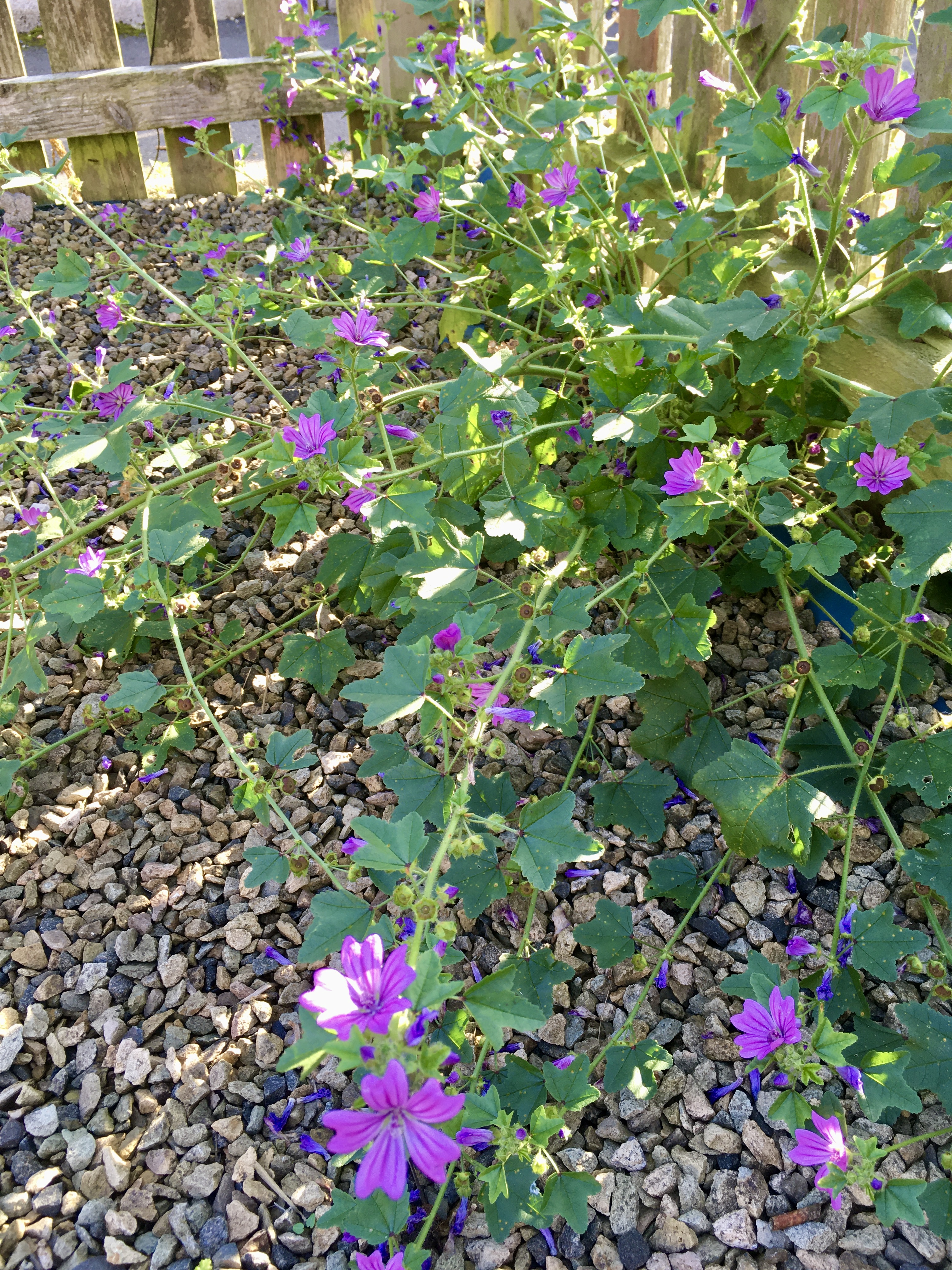
We noticed a gorgeous pink mallow had self seeded in our barren new garden when we moved house a couple of years ago. I can’t tell you how uplifting it was to see the rich pink flowers festooned with bees when all around it was metres and metres of grey gravel. Free plants—what’s not to love?
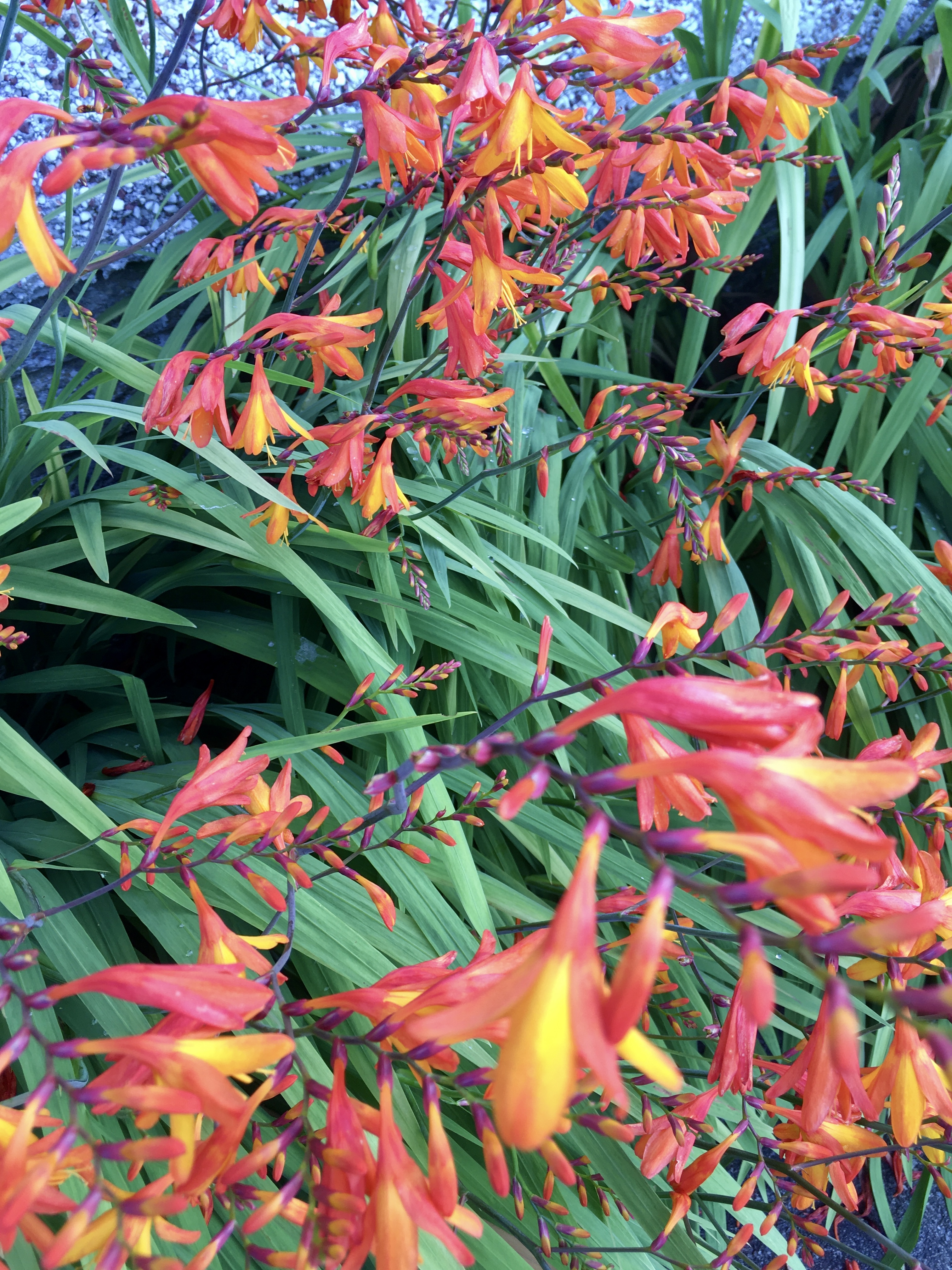
On the other hand, there was a gigantic clump of fiery crocosmia in the front garden. When I started planting roses in our first winter, the stunning orange flowers weren’t a problem. But in the first summer they began to swamp the tiny new, bee friendly, repeat flowering rose, so I had to be firm and pull some out to give the rose room to thrive.
Why is weed control important?
Gardens are all about balance. Consider what is really important to you in your outdoor space, and what you might feel is negotiable. Decades ago no-one realised what harm weedkillers did, but now we have that information, we can change our approach to gardening.
If you do grow vegetables, then they will definitely grow bigger and better if you weed around them. Your container grown plants will also thank you for fewer weeds around their roots. Any brand new plants you’ve just snugly tucked into the soil will benefit from less weed competition as they get established.
But they’re the only parts of your garden you really need to consider weed control in.
Is it REALLY a weed?
It’s a mindset shift mainly. Our gardening habits are often formed by watching family members gardening when we were children. These embedded practices can be hard to change as we can be completely unaware of the ‘why’ behind our approach to gardening.
If you’re a habitual weeder, that’s okay. You probably watched your family spend a lot of time weeding when you were younger. Obviously hand pulling weeds is better than using weedkillers though.
And you do have a choice —now you know why and when it’s important to weed, and when it’s really not a big deal.
Just think of all the lovely time you could save by letting things look just a wee bit wilder in your garden.
Fancy finding out more time and energy saving ways to garden?



 Rowan Ambrose
Leave a reply to How to easily create a bee friendly garden (it’s really simple) – Rowan Ambrose Cancel reply