Geranium or pelargonium? Discover the simple difference between these two incredible plants for gardens.
It’s vital to know the difference between a geranium and a pelargonium because they need different growing conditions. They’re both tremendously valuable plants for small gardens, but you do need to know which one suits your garden best.
Lots of gardening articles, especially online, use the two names interchangeably. It’s wrong and very confusing. It’s especially annoying if you’re new to gardening and mistakenly buy a plant that needs different care from what you imagined. So if you’re wondering if pelargoniums and geraniums are the same, read on.
I’ll describe the two plants so you’ll understand what the difference between a geranium and a pelargonium is. Then you can make an informed decision about which one is better for your tiny garden, and why.
What is a hardy geranium?
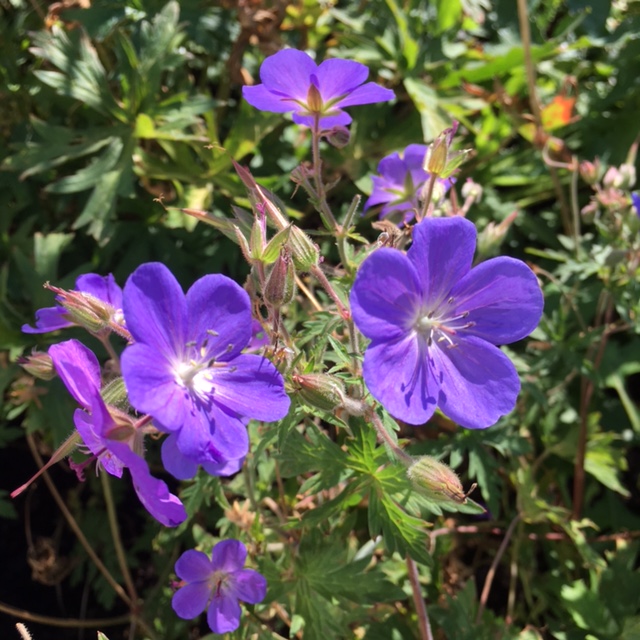
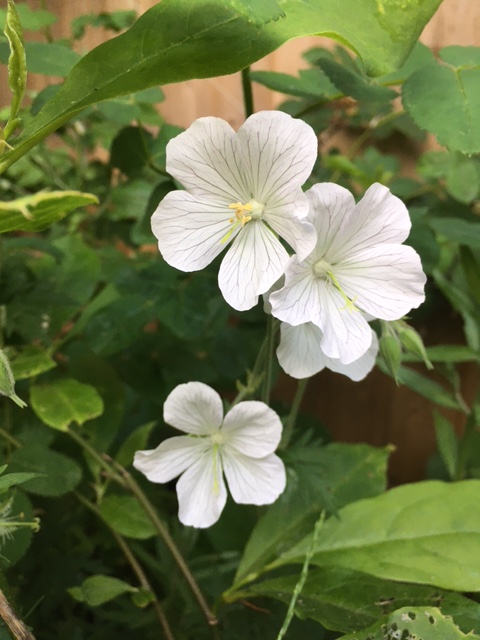
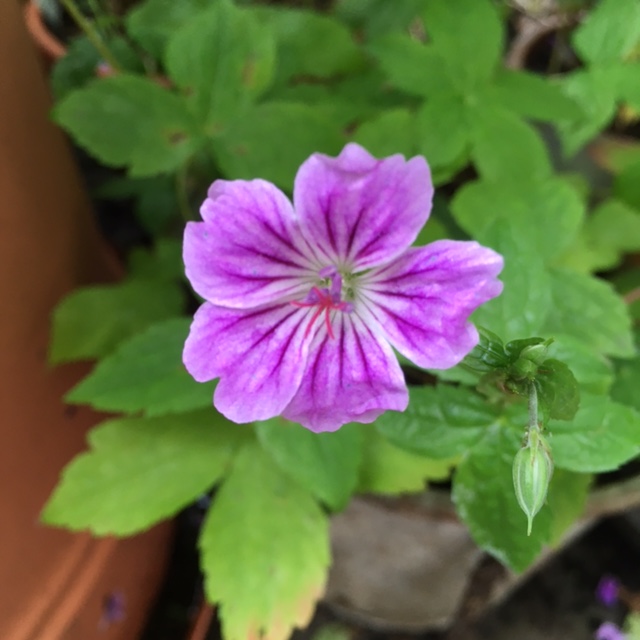
Hardy geraniums are one of the hardest working plants in an easy care, low maintenance garden. ‘Hardy’ means the plant can stay outside all winter, and can cope with frost and snow. It will lose its leaves, but it’s just hibernating, not dead. In spring, it’ll grow fresh new foliage and gorgeous flowers won’t be far behind.
The beautiful flowers on hardy geraniums have five petals that look similar in size and shape, arranged symmetrically. The foliage is usually soft and supple.
Many hardy geraniums are native to the UK, so that’s why they’re easy to grow here.
I use and recommend hardy geraniums all the time in my tiny garden designs and consultations for many powerful reasons, including:
- They’re super tough and hard to kill—ideal for beginner gardeners
- They’re easy care and low maintenance
- They come in many dazzling colours
- They flower abundantly for weeks, sometimes months
- They’re pollinator friendly—bees adore them
- You can dig them up and divide them easily to get more plants
- Some gently self seed around your garden—more free flowers
Hardy geraniums are very easy care plants for any garden
If you’re new to gardening and don’t know what plants to choose, I would start with a hardy geranium. Or several in different colours, depending on how much space you have.
You can easily grow hardy geraniums in pots or in the ground. They gradually spread, and make great ground cover plants which suppress weeds effortlessly. Even if you have challenging growing conditions like dry shade, you’ll be able to find a hardy geranium to suit your garden. Nipping off the faded flowers will give you plenty of fresh new ones.
Building your confidence is often overlooked when you’re a beginner gardener. But learning gardening is like learning any new skill. It takes a bit of time and patience to get to know your plants, which is why choosing friendly and undemanding ones is so important. I know people who’ve been put off gardening because they unknowingly chose tricky, demanding plants at the beginning of their gardening adventures, and it put them off. Which is why I have a long list of rigorously tried and tested easy care and low maintenance plants for you.
And hardy geraniums are right at the top of that list.
What is a pelargonium?
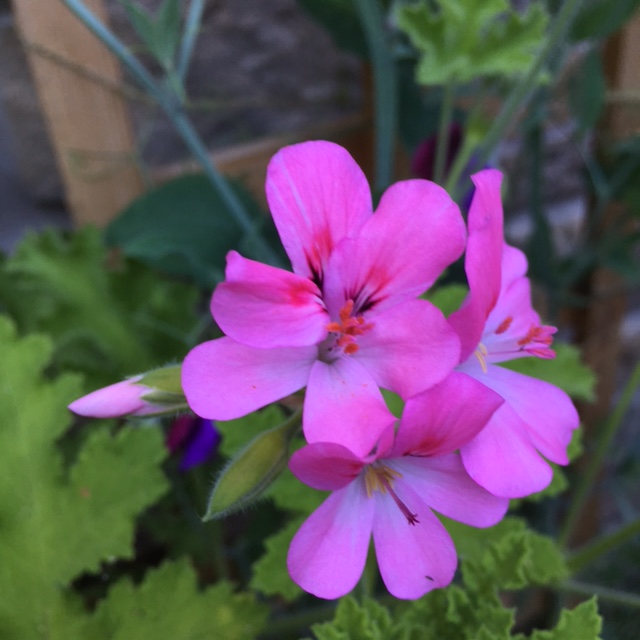
If you’re wondering why pelargoniums are sometimes called geraniums, it’s because they belong to the same family. BUT they have very different growing needs and this is what can trip you up.
As I’ve said, hardy geraniums can stay in the garden all winter. And this is the biggest difference between hardy geraniums and pelargoniums .
Pelargoniums are not hardy. They are classified as ‘tender’ plants. They will not cope with frost or snow.
They will DIE if you leave them in a winter garden.
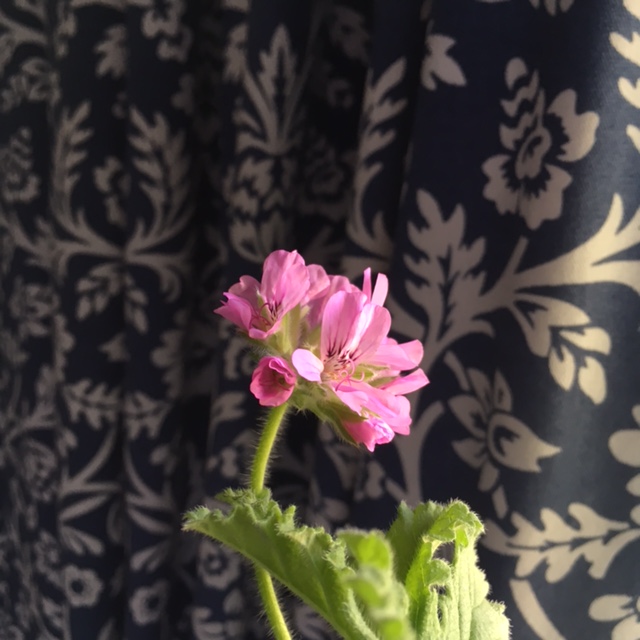
If you choose to grow pelargoniums, you’ll need to be able to bring them indoors to a windowsill, or put them in a greenhouse/potting shed/cold frame before the first frosts.
Which is not so very difficult as long as you know this, and as long as you have space. They make gorgeous temporary house plants, looking vibrantly green all through the darkest parts of the year. They don’t really have a dormant season, so you may even get flowers in the winter.
I know people who mistakenly bought pelargoniums, and left them in the garden during the winter, then thought they were bad gardeners because their plants died. And it’s not true. The plants just needed to be brought indoors.
Garden centres should label all plants they sell. If you’re unsure if what you’ve picked up is a hardy geranium or a pelargonium, please ask a friendly looking member of staff to clarify.
Pelargoniums are great low maintenance plants for sunny gardens
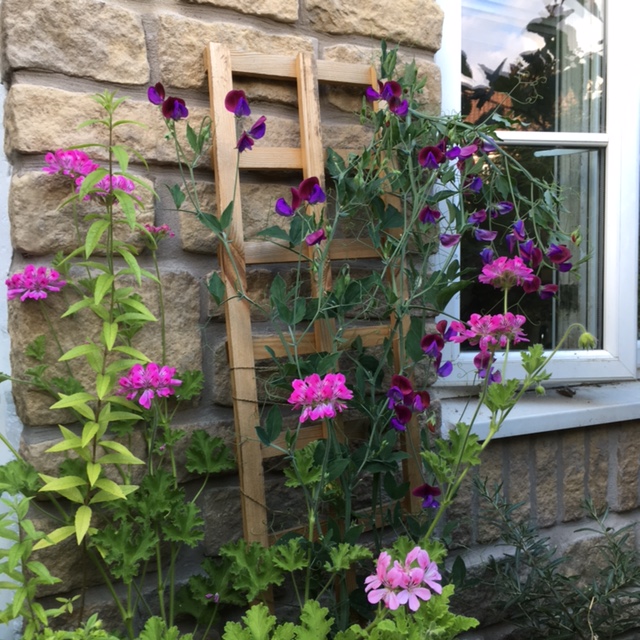
Pelargoniums often have crisp, ruffled foliage and their flowers are generally arranged with two top petals which look different from the three bottom petals. But as with everything in life, there are exceptions, so please do ask when you’re buying. If you’re looking at a website, plants are more likely to be clearly named.
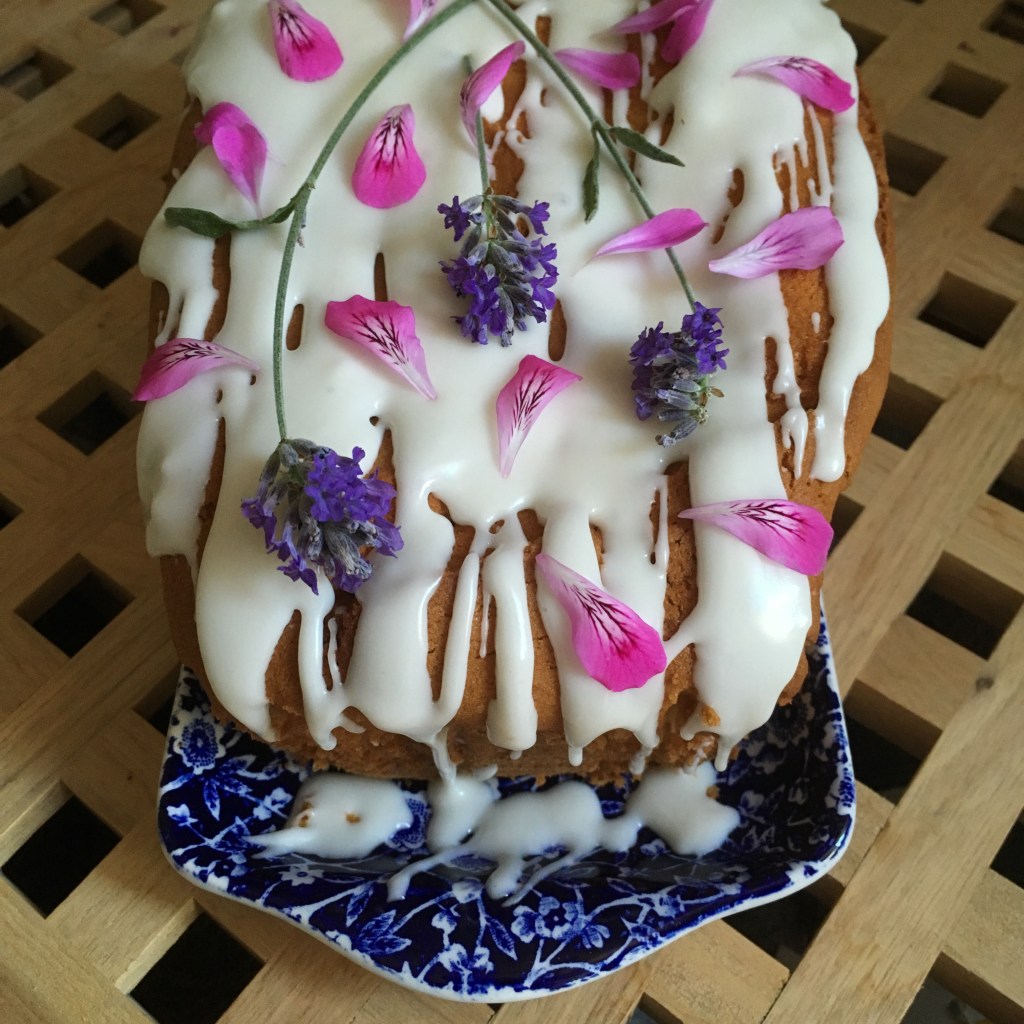
You can find pelargoniums in many luscious colours, often sumptuous jewel tones. Some of them have deliciously scented foliage which you can use in cooking and for making cordials. The petals are edible too, though as with any food, it’s possible to have an allergic reaction, so go steady at first.
Pelargoniums originally come from South Africa and Australia, so, not surprisingly, they thrive in sunny, fairly dry conditions. If you live in an area which is getting increasingly hot summers, pelargoniums may suit your garden very well. The scented leaf ones are especially tolerant of drought.
They’re very happy to be grown in pots and containers, which also means that moving them before the weather gets cold is easier. Although you can plant them in the ground, just make sure it’s an area with good drainage and plenty of sun.
You will need to dig them up and put them in pots before the frosts begin.
Apart from needing to be out of the frost or snow, they’re very easy to look after. For maximum flower power, treat them to regular feeds of tomato food during the summer. Or you could grow comfrey and make your own flower food.
Now you know what’s the difference between a geranium and a pelargonium, I think you’ll see there’s a place in your garden, however tiny, for both of them.
Which will suit your garden better?




 Rowan Ambrose
Leave a reply to 17 best hardy perennials for months of colour in your low maintenance garden – Vivid Peaks Copywriting Cancel reply