
15 essential things you need to know about toxic productivity – improve your work life balance now!

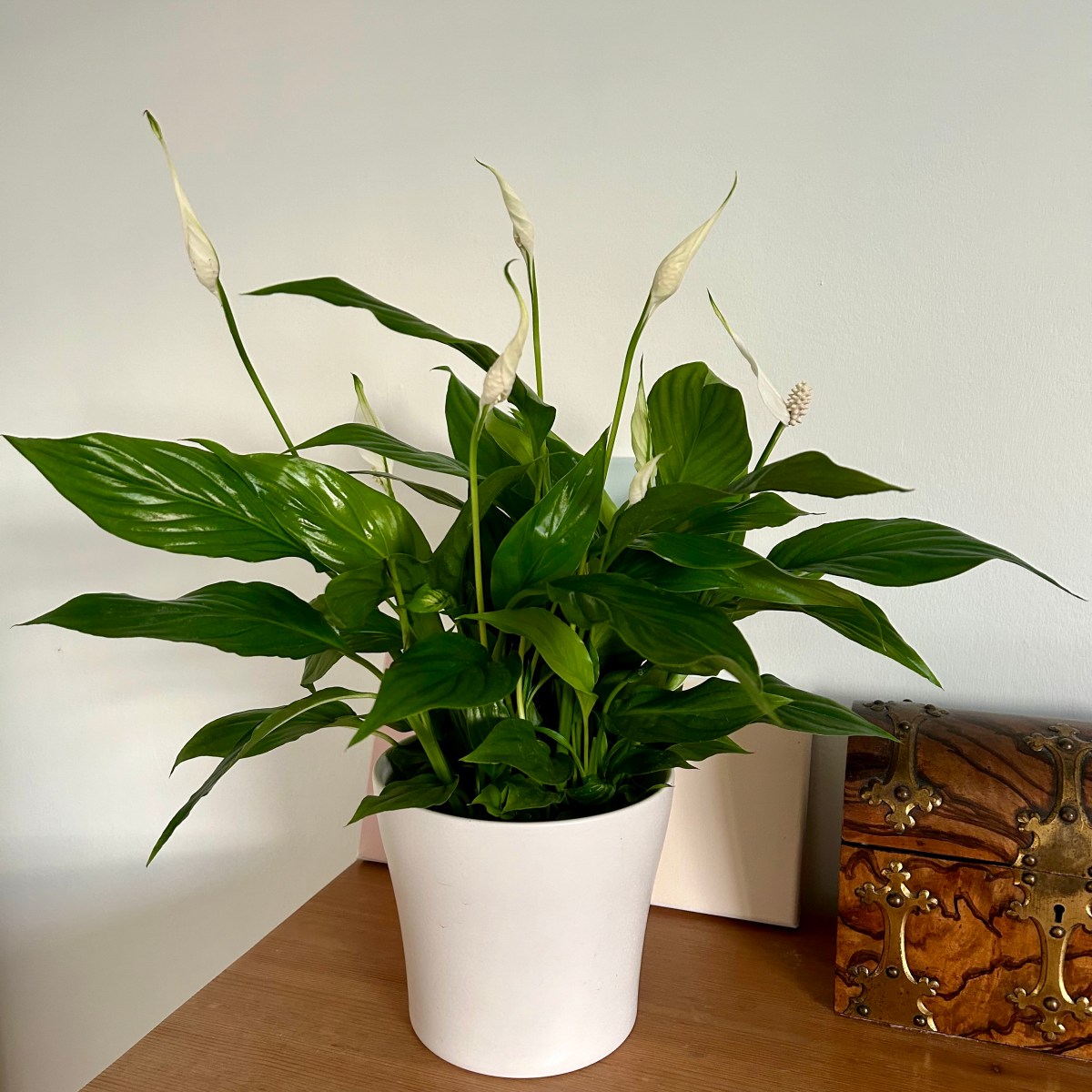
Photo by Rowan Ambrose
What is toxic productivity?
Toxic productivity is an unhealthy obsession with working beyond realistic expectations. To be fixated on being productive and on the go at all times.
“Many folks feel the burnout of throwing themselves into their work and that the only way they’re productive is to be ‘on’—constantly being on phone calls, on Zoom meetings, or on your laptop for schoolwork or your job,”
Kruti Quazi, a licensed counsellor and certified clinical trauma professional.
Sound familiar? If so, you’re not alone.
48% of Americans think they’re workaholics1, and a staggering 77% of Americans say they experience burnout in their current careers2. It’s not much different in the UK.
In 2019, the World Health Organisation added workplace burnout to its International Classification of Diseases, which shows this is a global problem. Finding a better, healthier work life balance is vital for most of us.
What are the signs of toxic productivity?
Key indicators of struggling to achieve a healthy work life balance include:
1. Working extra hours frequently
We all need to put in extra hours occasionally. Say for a deadline, or an unexpected meeting, but the key word is occasionally. For some people it’s become a habit – every day is extended by a couple of hours, or even more, ‘just getting this finished’. Weekends often disappear in a blur of emails.
2. Difficulties setting boundaries
The problem with working longer hours every day and week is that it sets a precedent. Your boss/ line manager and colleagues will be used to your finishing extra work and probably take it for granted. Which means they pile more work on you and expect it to be done. And so the vicious circle keeps turning. Except it gets worse and becomes a downwards spiral.
3. Feeling guilty and anxious about taking time off
We are, to some extent, wired to enjoy productivity and action. It can be difficult to step away from the dopamine hit of achieving all the time. Taking time to spend with friends and family can feel much less of a priority, and it’s easy to fall into the trap of checking your work emails when you’re socialising. Feeling like we’re indispensable can be very tempting too. We all love to feel useful and valued.
4. Often feeling tired and/or anxious
All the adrenaline which is fuelling your toxic productivity needs to be released somehow. Some people feel exhausted, some people feel anxious. Some people feel both at once, which is even worse. Overworking isn’t sustainable and these symptoms are your body letting you know.
What are the solutions to toxic productivity?
If you recognise some of the above signs of toxic productivity, the first and most important thing you can do is to be kind to yourself. We live in a capitalist society and have been programmed to think that constant busyness is necessary, expected, and even desirable. We’re surrounded by hustle culture, so it’s no wonder you’ve been struggling to maintain a work life balance. It’s not your fault.
1. Clarify your identity outside work.
You have a whole identity that’s not based around how many extra hours you put in each week. Try thinking about positive aspects of your character that don’t involve work. Perhaps you’re kind and loyal. If thinking about yourself this way feels uncomfortable, you could ask a trusted friend to help you.
2. Go for a walk. Or a cycle.
Even looking out of the window and watching the clouds will help you to rebalance. If you can go for a walk, try taking a notebook to write down things you see or hear. Maybe you could sketch as well. It can help to keep your mind in the present, rather than worrying about not working. You might find this article on walking to relieve stress helpful.
3. Network with people who you think may be in a similar position to you.
The world is full of stressed and overworked people. When you connect with someone, maybe you could try some of these strategies together. Forming new habits, even if they’re really positive ones can be a challenge. Having a friend who’s working towards a better work life balance too can be super helpful.
4. Do one task at a time, and do it well.
“ What looks like multitasking is really switching back and forth between multiple tasks, which reduces productivity and increases mistakes by up to 50%.”
Susan Cain
Multitasking is very tempting when you’ve got SO much to do. But it’s a mistake to think we get more done this way.
5. Schedule time off
If you write down your time off in your planner, you’re more likely to commit to it. Start small and work up. Plan to work one hour less, one day a week, then do something you enjoy in that time. Maybe catch up with a friend, make a delicious snack, or have a long soak. All that matters is that you’re gradually increasing your down time.
As you get better at setting your boundaries around work and life, try building up to taking an afternoon, or even a day off. Plan to do something that will light you up from inside.
6. Practice saying NO
Easier said than done, I agree. To keep firm boundaries around your precious down time, it’s important to get better at saying no. Like lots of things, it’s easier if you start small. Try saying no to a cup of coffee, unless you really want one. You don’t have to say yes to everything all the time, but many people are raised to believe that this is polite and necessary.
What are the benefits of a better work life balance?
1. Increased creativity.
Most jobs require some kind of problem solving or creative thinking. When we’re in busy mode all the time, it’s hard to reach those clever ideas – they’re always tantalisingly out of reach. If we can create some space around our busyness, detach just slightly, often these solutions will just ping into our heads. It’s like looking a little to the side of a star shining in the night sky, rather than straight at it.
Rather than focus on a problem in a furious and tense way, if we can relax slightly, the answer is often right there. It’s just been hidden by the stress of being busy all the time.
Once you start scheduling regular breaks for yourself (and sticking to them) you’re likely to notice an increase in your creativity. Lots of us can relate to having a great idea when we’re doing the washing up or walking the dog, so the more balanced your work and life become, the chances are you’ll be seeing solutions more readily, rather than tying yourself in sweaty knots.
2. Improved relationships.
Your loved ones will notice that you’re around more, and mentally present too, rather than being a distracted, flustered puddle of exhaustion.
3. Better sleep.
When we have a better work life balance, we can process adrenaline more effectively which often leads to improved sleep.
4. More energy.
Better sleep usually increases energy levels, so you’ll be able to enjoy that new hobby even more.
5. Increased focus.
Being more rested, and spending more time doing what you love often leads to better focus too. Rather than being in kind of work mode all the time, but ineffectively, you’ll be able to harness your focus better because your brain has had a chance to rest.
Now you know more about what toxic productivity is, some signs to look out for, and some solutions too. Recognising that you need to improve your work life balance is a vital first step, so congratulations for taking it.
Go forth and rest well!
1 – Apollo Technical
2 – Health Careers






 Rowan Ambrose
Leave a comment