How do you write a perfume description?
Whatever your reason for wanting to know how to write a perfume description, I’ve compiled some handy tips with examples for you. Maybe you want to write for your perfume business, or perhaps you’re a fragrance enthusiast who wants to capture your thoughts in a way that’s easier to explain to other folk. Here are several different ways of writing a perfume description.
How do you describe fragrance in writing?
Perfume is tricky to describe in words because it’s a sensory experience. You smell the fragrance and words come into your mind as the scent develops on the blotter or on your skin. You might recognise orange, jasmine or sandalwood, for example.
But this is only one element of perfume writing, because fragrance conveys so much more than simply what this magical liquid smells like. It can be an enchanted portal to another time; nostalgia, aspiration, comfort, excitement and invincibility can all be accessed through perfume, if it has creative courage and integrity.
When you next smell a perfume, by all means jot down descriptive words that jump to mind immediately, like lime or rose, but also try to record how the perfume makes you feel. Do you feel exhilarated, soothed or curious? Don’t worry if it doesn’t seem to make sense yet, and there are no right or wrong answers—interesting perfumes take time to get to know.
Once you’ve tried the perfume a couple of times, you can compare your notes. Which elements were distinctive each time? Did you only notice that fleeting vanilla note on one occasion?
It’s also important to say that fragrances will behave differently on paper and on skin. Perfumes are usually designed to be worn on the skin, so how about giving that a try? It’s fascinating to see different facets emerge when you wear a perfume on your body compared with smelling it on paper.
What are examples of fragrance descriptions?
Perfume descriptions can be very short and snappy or they can be longer and more lyrical. It all depends on the message you’re trying to convey. When you’re smelling the perfume, write down anything and everything that comes to mind. You can pick the best words and phrases later when you’re editing.
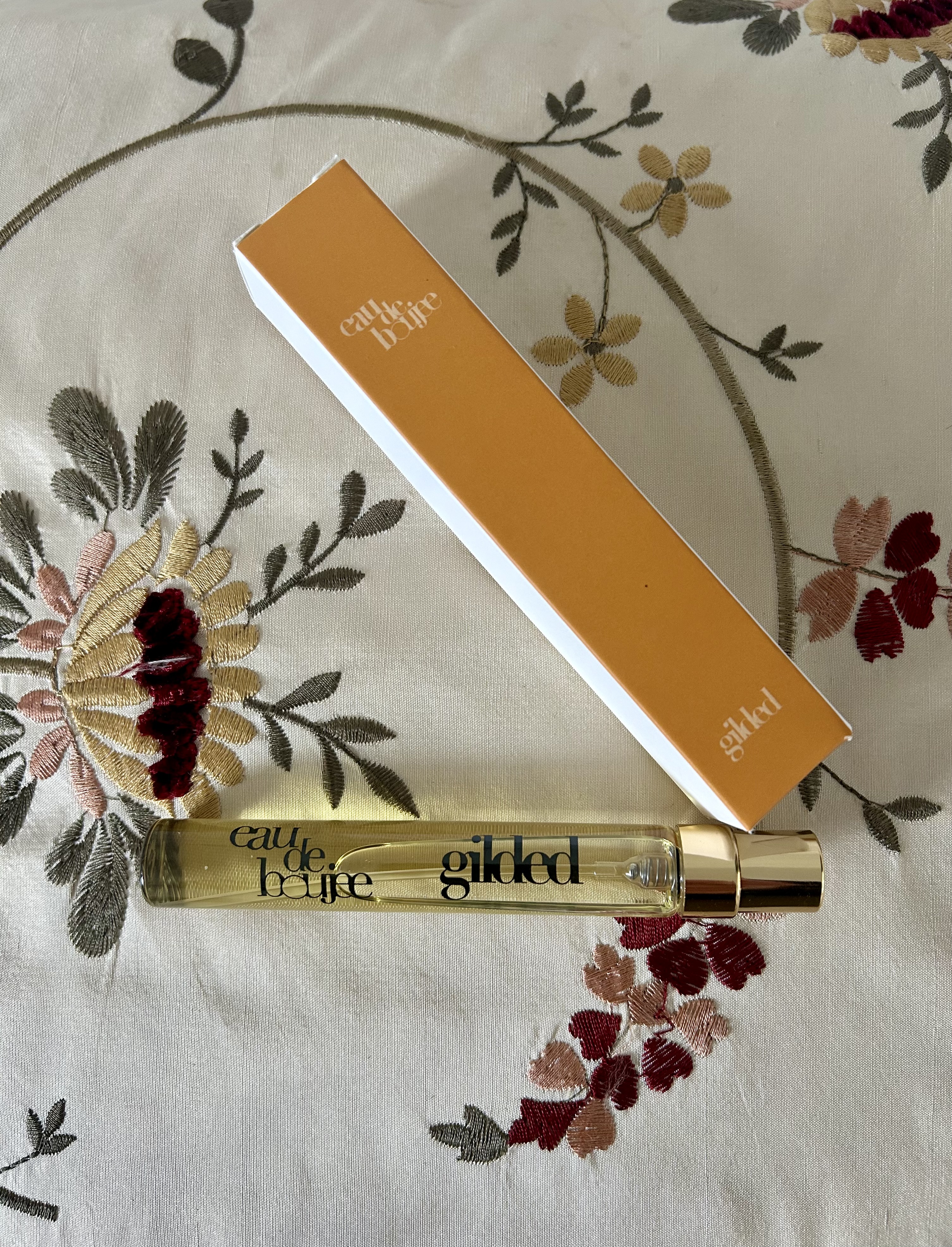
When I was writing about Gilded by Eau de Boujee, a very clear image came into my head. Some of the perfume notes really stood out to me, so I underlined them in my notes and wrote this:
“You’re licking a lemon and ginger gelato while watching a Viking ship being ceremonially burned on a windswept beach.
Sacrificial herbs like mint and angelica flicker among the golden, glowing timbers as they creak and settle into mesmerising shapes.
Puffs of incense writhe in the embers—bright, warm and very mysterious.”
Working on 1740 by Histoires de Parfums, I limited the description to two sentences:
“Spicy, warm and inviting, 1740 soothes and comforts with reassuring hints of vanilla and old leather. A perfect scent to wear on a dark, damp day when you need an olfactory hug.”
Of course, it’s always possible to write an even shorter one. Here’s a one sentence perfume description for Bandit by Robert Piguet I wrote for my newsletter:
“Bright with snapped green stems sprinkled with violets, this has a heart of opulent gardenia and jasmine that dries down to a spankingly excellent leather.”
What is a poetic description of a perfume?
Sometimes it’s helpful for the reader and enthusiast if you divide a perfume description into sections. The first part could highlight fragrance notes and the second part could include sensory impressions to convey the emotions a wearer might experience. Poetic descriptions of perfume can take any form you like.
Of course, you can have an enormous amount of fun with these. It’s worth considering what kind of event your perfume is best suited to. Is it an empowering interview perfume? Maybe a cosy and hygge night-in fragrance? Or perhaps a sparkling and bright scent perfect for strolling around the garden centre.
If your reader can relate to the kind of scenario you’re describing, they’re more likely to be able to picture themselves wearing your perfume.
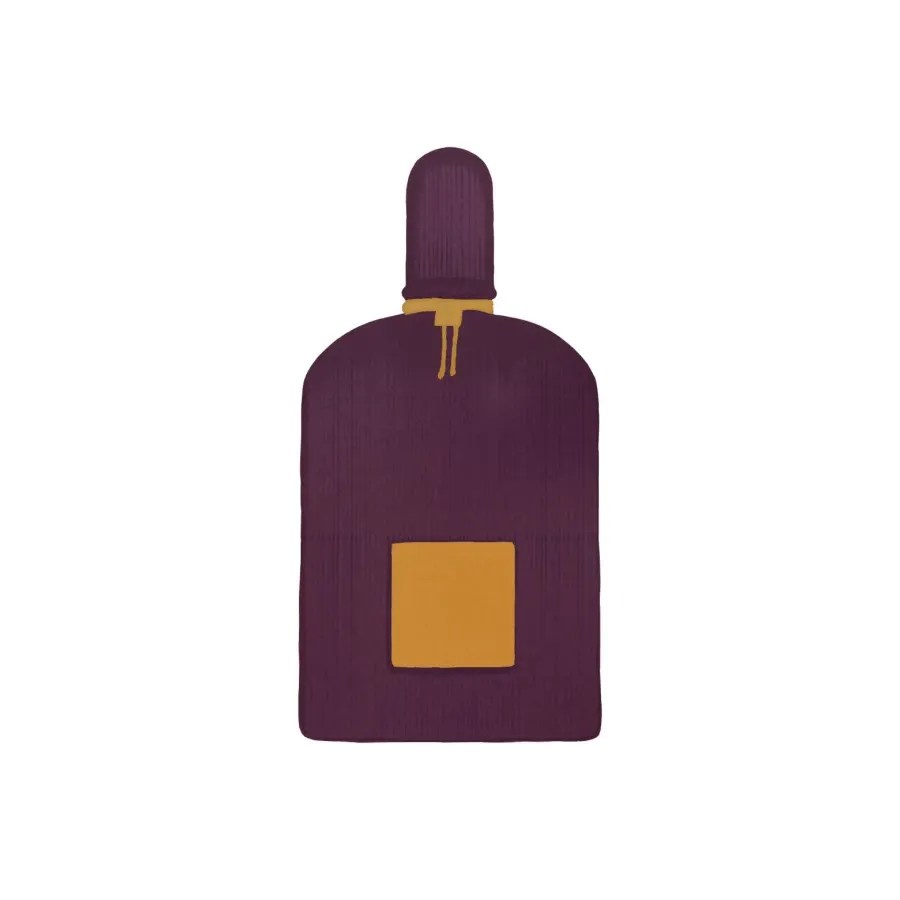
Here’s a light-hearted piece I wrote about Velvet Orchid by Tom Ford. I separated the notes sections from the poetic description. Often people skim and scan writing, so separate sections help them to find what they’re looking for quickly.
Top notes
Tendrils of sweet honey and rum tantalise and draw you further in. Sparkles of bergamot and mandarin flirt.
Heart notes
Heady sweet scents of rose, jasmine and narcissus announce their entrance with a flourish. A rare glimpse of a shy purple orchid peeps from behind the velvet curtain.
Base notes
Hot, spicy vanilla dances with stern sandalwood. Bumping and twisting next to indulgent myrrh and buttery smooth suede.
Sensory impressions
Old city pounding and thrumming with the pent up heat of the day.
Twisting, clanging iron staircase goes down, down, down
Heavy door slams closed. A forbidden place for many.
Cigar ash trembles — falls onto the sticky floor
Satin smooth shoulder gleams
Cocktail shakers clatter ice
Glistening humans writhe
Glittering trumpet shrills
Heavy bodies barging
Too much innuendo
Hot breath of rum
Throaty chuckles
Nudging past
Grasping hands
Let me go
Out into the yard –
Sweet night air
A breath of starlight.
Wear this if you want to feel…
Intoxicated
How do you caption perfume?
If you’re writing a perfume caption, possibly to go with an image, it often needs to be fairly short and to the point. You could start with the key notes of the fragrance and then add one or two phrases to describe emotions a reader might feel when they wear it.
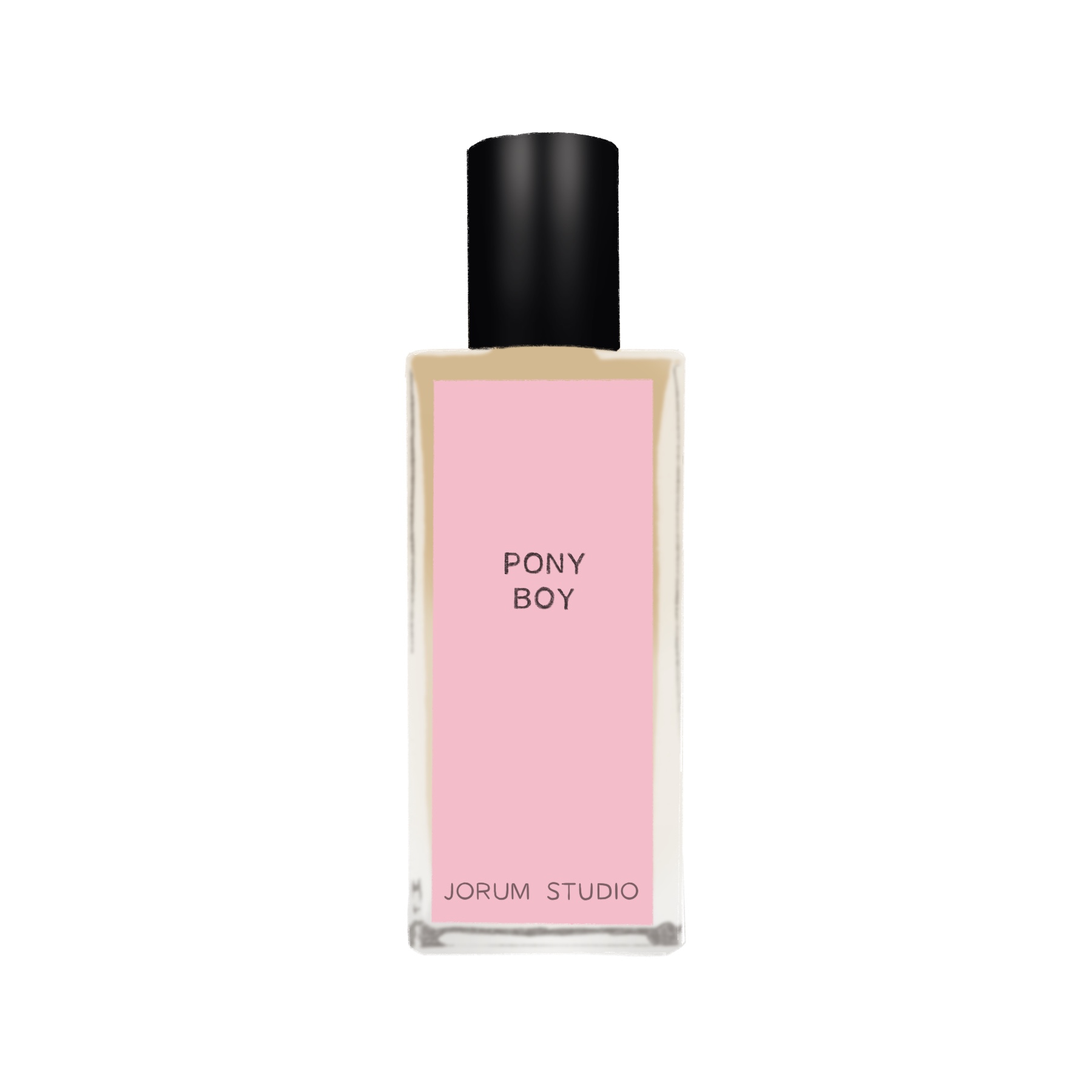
For Terror and Magnificence by Beaufort, I wrote:
“Flinty, mineral notes mingle with smokily warm pepper and clove. You too can feel like a pirate captain plotting strategies at the back of an abandoned church.”
The reader can quickly imagine if this is a perfume they might be finding out more about. Or not. Don’t worry about making all perfume descriptions superficially pleasing—often the weirder notes are what attract super fans to a scent.
How would you describe luxury perfume?
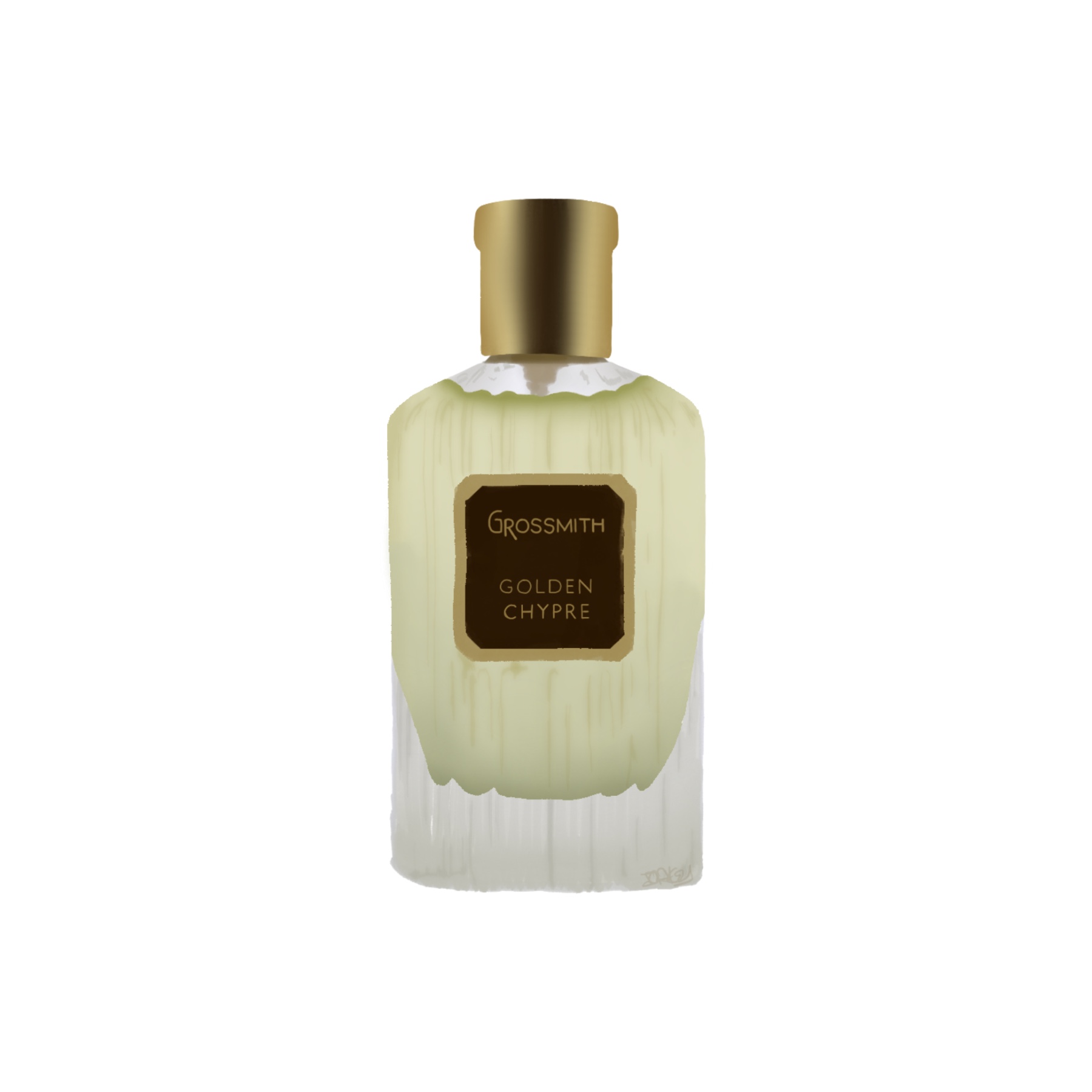
Luxury perfumes come in all styles and fragrance families. And it also depends what you think of when you mean luxury. Maybe you associate luxury with very high prices, possibly how scarce a fragrance might be, or even rare vintage perfume that’s no longer made.
Whatever luxury means to you, it’s always important to write an accurate description of the notes someone might expect to experience in the perfume. People might be attracted to an expensive brand because of its prestige, but it’s essential to have integrity when writing about any perfume or there’s a risk it might exploit the reader.
What is a paragraph about perfume?
If you want to write a paragraph about perfume, then it’s a great opportunity to use storytelling techniques. Make it easy for your reader to picture the scene and imagine themselves taking part. As with all perfume descriptions, it’s important to know a fragrance well before trying this, so I’d recommend wearing it at least three times first.
Let your imagination run wild at first, writing down ALL your ideas without censorship. Leave your notes for a day or two, then look at them with fresh eyes and see which parts have potential to be shaped into some atmospheric writing.
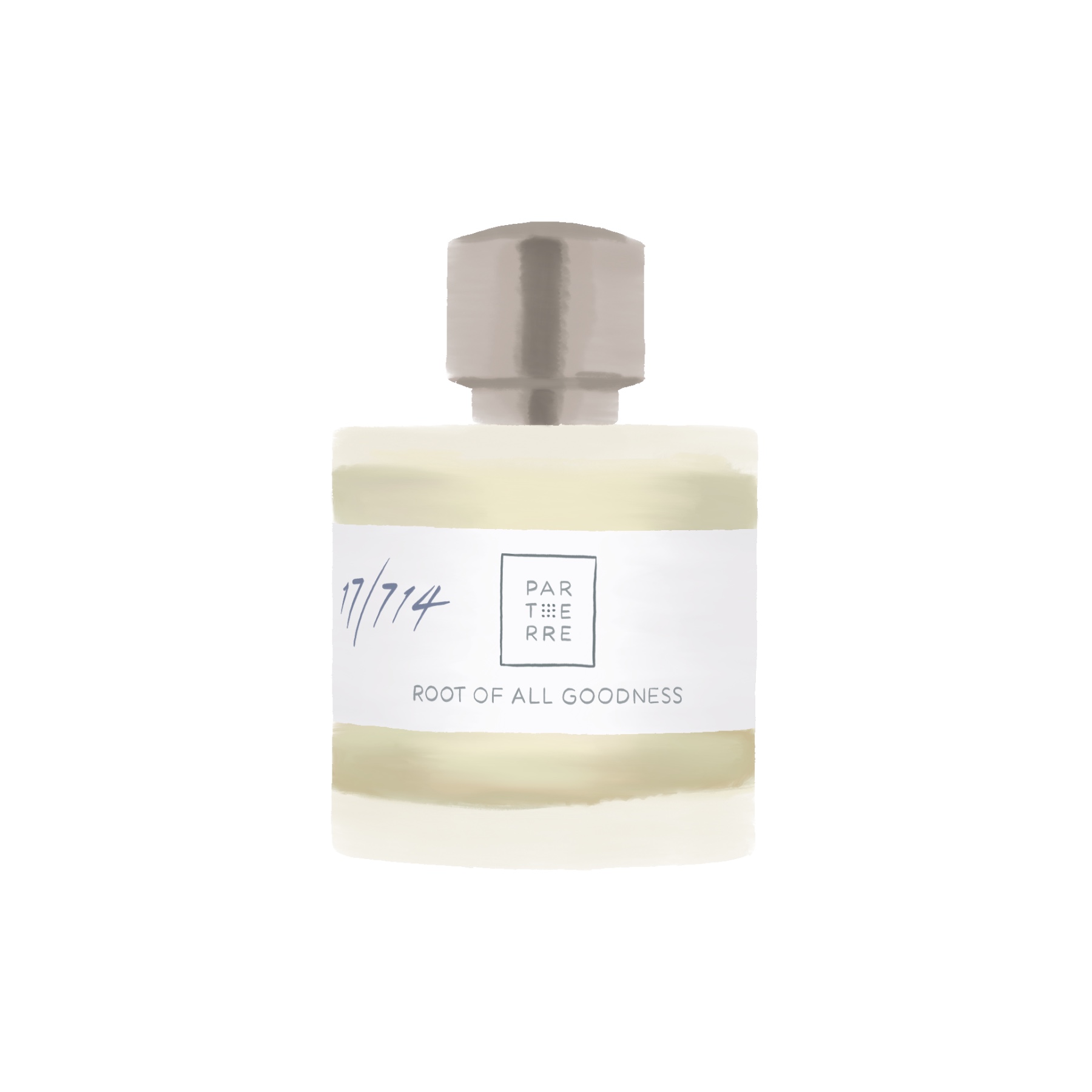
For Root of all Goodness by Parterre, I started with taking notes like this:
~ Soft yet bright, warm ginger, bergamot, dry, fresh, classic cologne, herby, earthy but dry, delicate, slightly powdery violet, dry slightly peppery vetiver coming through, excellent ~
Then I shaped it and edited it into these paragraphs:
“A burst of dazzling ginger, a sprinkle of pepper and a crisp twist of bergamot peel open this stunning perfume from Parterre. Crushed herbs mingle with a smidgen of powdery violet as the real star starts to emerge. Dorset grown vetiver weaves a richly earthy thread through the bright and beguiling aromatics, offering a tranquil depth to this classical style cologne.
Incredibly versatile, Root of All Goodness is a perfect easy reach perfume. Peek beneath the easy breezy top notes and you’ll find layers and layers of hidden intrigue. Very highly recommended.
Particularly excellent on hot and sticky days.”
What is a good slogan for perfume?
A good slogan for a perfume could be what you’ve written as an image caption. Including the same key fragrance notes and similar emotive language will help your description be more memorable for your reader. Perfume slogans can be used on packaging and as the first piece of information (after the name of your fragrance) someone will see on your website product page.
For Ghost of You by Mythologia, I wrote this in my notes:
~Bright, subtle, fresh, crisp, zesty, very fleeting, slight candy floss thing, subtle sweet musk, cardamom, slight vanilla, woods coming through.
Much more interesting on skin, fresh zest, less sweet, still very restrained, but is that the point?, ambergris?, sandalwood?, driftwood, slightly salty ~
Which I then polished into a one-line description:
“Oh so subtle, this is the scent of love in a hot climate with juicy citrus, musky cardamom and a lick of salty skin.”
Need some help with your perfume copywriting?
If all this information seems like a lot of work, then I completely understand.
Writing perfume descriptions is something I do for perfumers who are too busy creating their fragrances, and don’t have time to write about them as well.
Sometimes, as a perfumer, your head is so deep in your fantastic creations, you’re a bit too close. It can be super helpful – so many perfumers have told me – to have another person’s perspective on how best to convey the magic of your perfumes to an outsider using words. Especially if you sell your perfumes online, people browsing need to feel an emotional connection with your fragrances—inspiring and engaging perfume copywriting is what you need.
And that’s where I can help you.


 Rowan Ambrose
Leave a comment