My top 9 most useful garden tools (though you only really need the first 3)
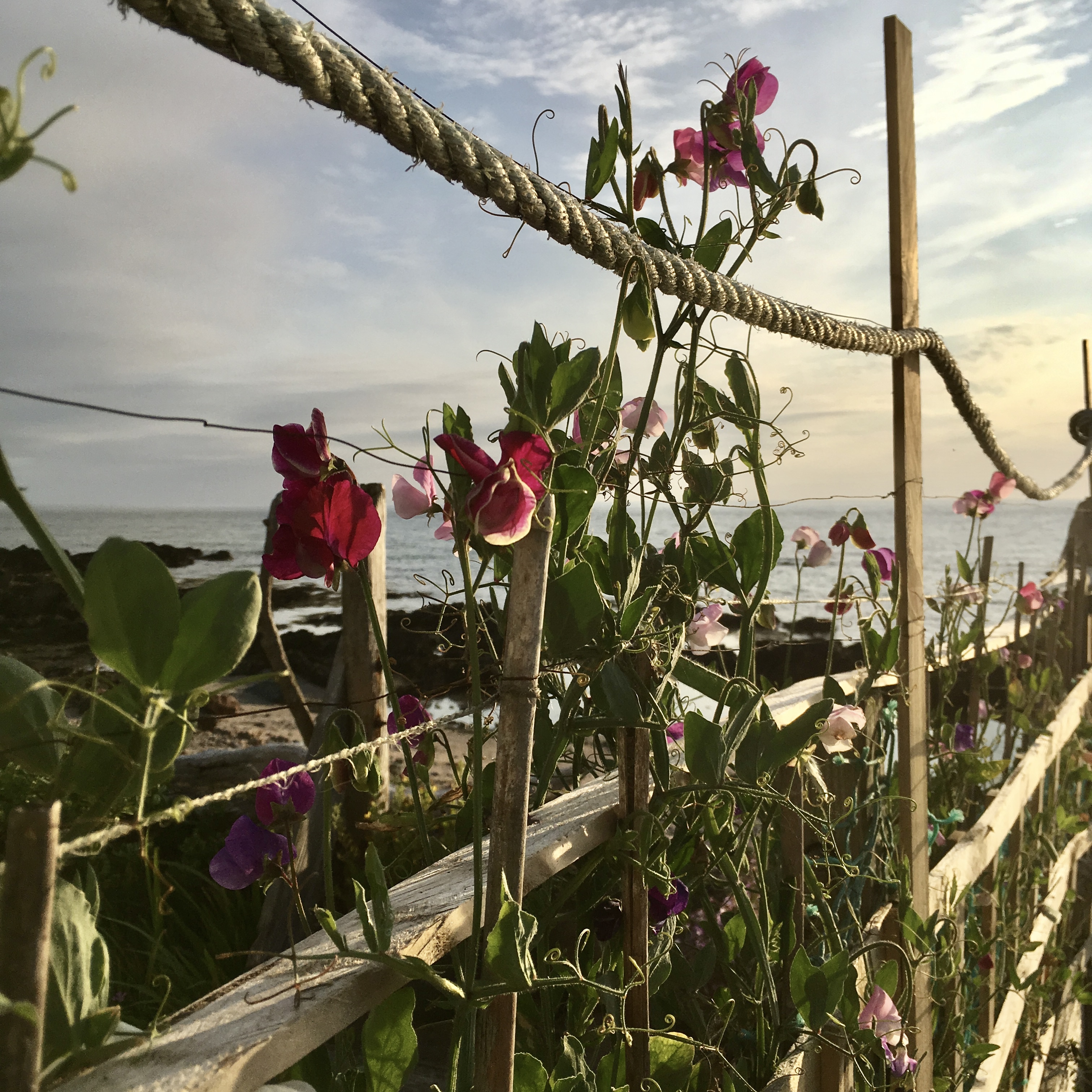
Most importantly, you need far fewer garden tools than you think. If you don’t have a shed or garage for storing tools, don’t worry because I don’t either and I’ve been gardening successfully for over 30 years.
If you’re on a budget – and who isn’t? – maybe buy one gardening tool at a time so you can get the best one you can afford. I’ve learned the hard way that cheap tools are far less sturdy and useful than better designed ones made from higher quality materials.
Looking after them is important too, though I freely admit that I’m not as careful as I could be in this respect. Having ADHD means I have all the best intentions to clean, sharpen and oil, but it doesn’t get done as often as I’d like. That said, scraping off the worst of mud, compost and plant stickiness with an old rag will help. And if you’re a bit haphazard too, please don’t let worry over tool maintenance stop you from gardening—it’s not as big a deal as some people make out.
If you’re windowsill gardening, you only need a spoon for scooping compost into pots. Scissors are helpful for cutting up yoghurt pots to make plant labels. So you can grow edible flowers and salads from seeds on any sunny windowsill using just these most basic tools.
Outdoor gardening, it helps to have:
- Trowel
- Watering can
- Gloves
- Secateurs
- Twine/wire/rubber coated wire
- Kneeler/mat
- Hori hori
- Spade
- Loppers
This list starts with the most important garden tools (in my opinion). And continues with the most specialised at the bottom. The first three gardening tools are the most useful.
Trowel
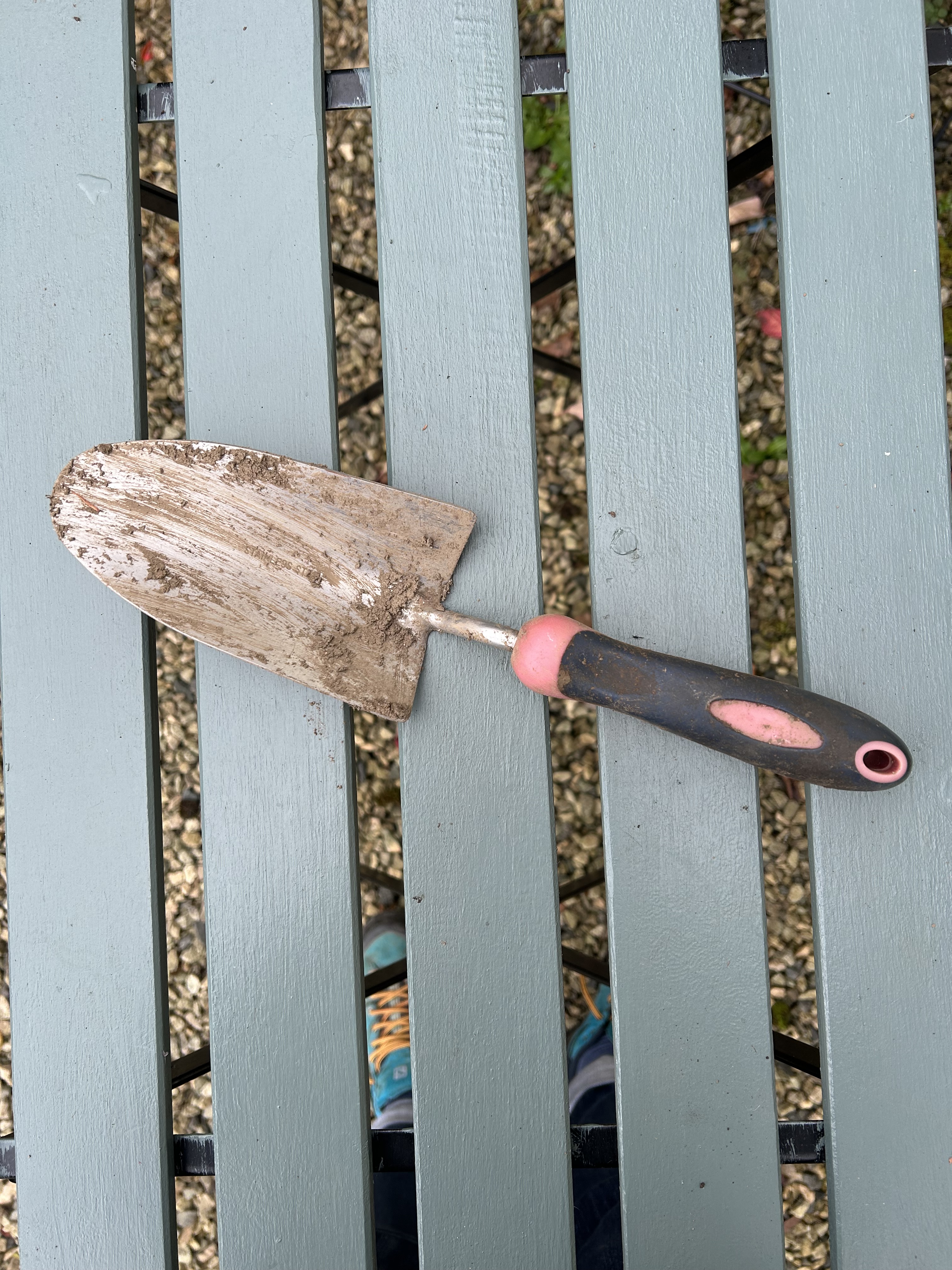
I’ve grown many plants in a small suburban garden with only a trowel as my toolkit, which is why it’s at the top of my list. If you want to plant in borders and flowerbeds, you’ll need something stronger than a spoon. Planting in pots and containers can be done using a smaller pot you can use as a scoop for filling them with compost.
When you’re choosing a trowel – or any garden tool – try to go somewhere you can pick a few up and get a feel for size and weight. Lots of tools are made for taller people with bigger hands, so if you’re shorter (like me), you might find some tools heavy and uncomfortable to use, especially if you’re gardening for an hour or more.
Trowels come in all kinds of shapes and sizes. Some seem to have incredibly specific uses, but really, they’re all just small spades, so if you think of them like that, you’re less likely to be intimidated. I only have one, as I like to keep my tools to a minimum due to lack of storage space. So pick the one that feels best in your hand.
Watering can
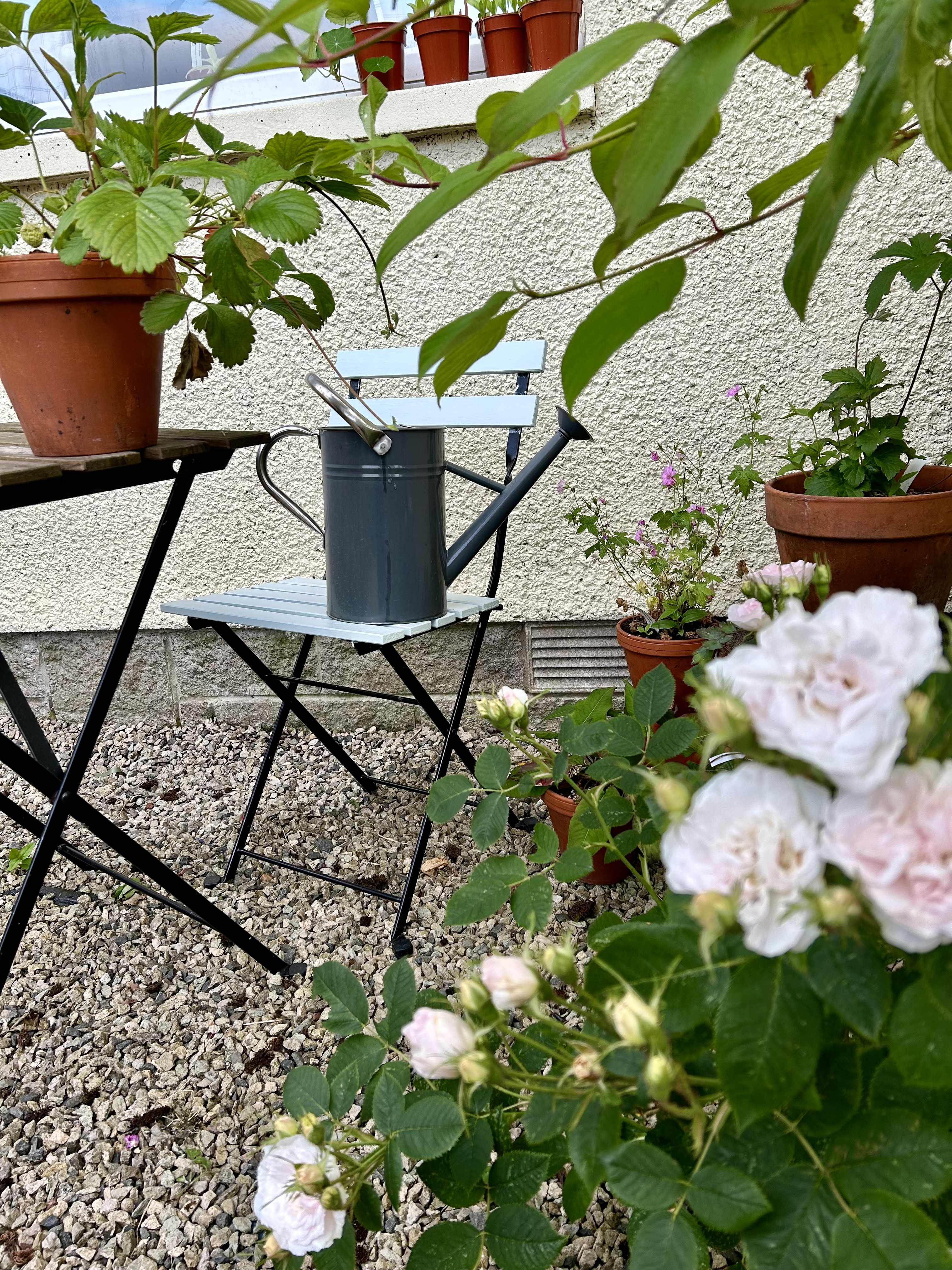
A watering can is an essential gardening tool if you’re growing any plants outside. New plants have infant root systems that need frequent soaking if they’re to survive. I don’t have an outdoor tap or a hosepipe, so I use my watering can a lot.
If you’re gardening in pots and containers, you may need to water every day in warm or hot weather. Even if there’s been some rain. Drenching them thoroughly is the best way to encourage healthy new growth.
Gloves
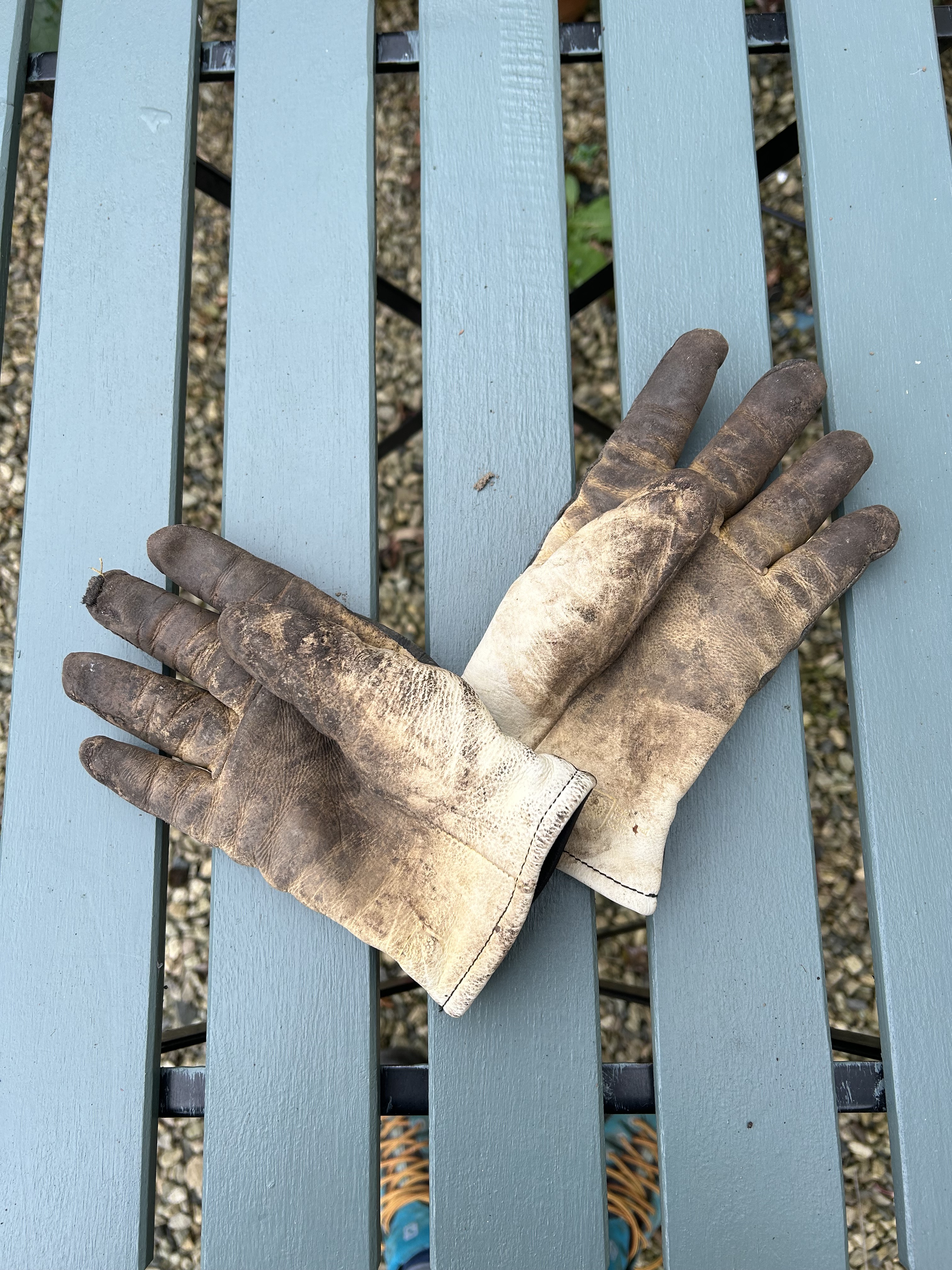
Now, these aren’t essential. Some folk I know prefer to garden with bare hands and that’s completely fine. It’s a very personal thing.
But if you’re growing prickly shrubs like berberis, pyracantha or roses, you’ll be more comfortable if you chose a pair of gardening gloves to protect you against thorns.
Gardening gloves are made of all kinds of materials. Light, cotton ones for the summer, rubberised ones for good grip. My choice would be softish leather ones, especially if you do grow prickly shrubs. That way, you’ll be able to grasp a branch when you’re pruning and won’t do yourself a mischief.
Secateurs
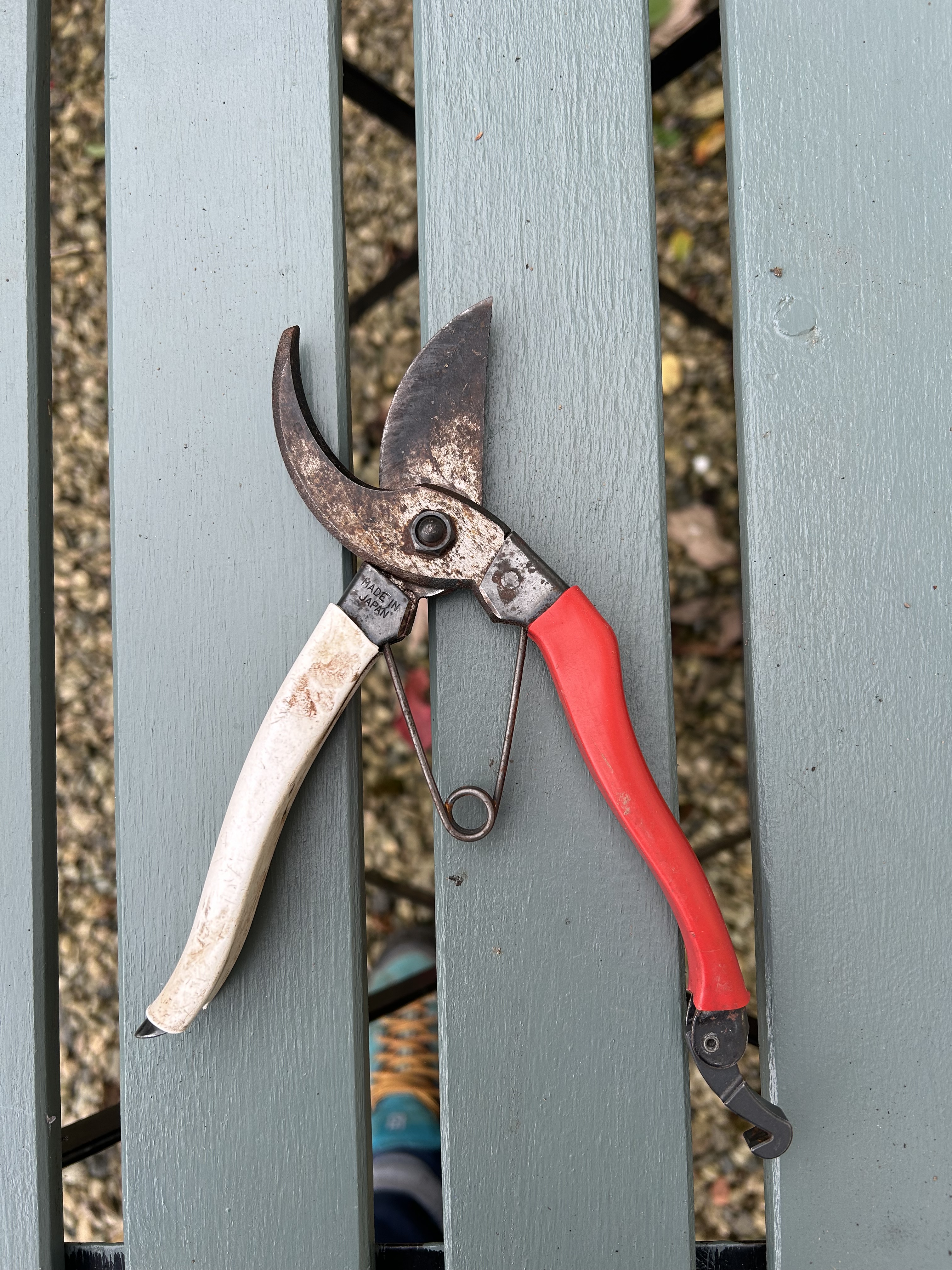
If you only grow soft stemmed plants like hardy perennials, you might be able to get away with sharp, strong kitchen scissors. But if you grow roses or any other shrubs or trees, secateurs are essential garden tools. The stems of shrubs are simply too tough and woody for scissors, so the thick and sturdy blades of secateurs will make your life a lot easier.
Again, do try to pick up a few pairs of secateurs to feel in your hands. Open the blades too, to make sure your hand can comfortably span the handles when they’re open. Have a think about the weight too—anything too heavy can be tiring to use.
Secateurs are invaluable for deadheading roses, shaping shrubs and pruning trees. Although they’re best kept for stems no thicker than your thumb. Any thicker than that and you’d be better off using loppers.
When you find a lovely pair that are comfortable to use, you’ll find yourself picking them up when you’re idly looking at your garden. Snipping a dead stem off here, cutting a few faded flowers there. It’s amazing how relaxing these 5 minute garden jobs can be with the right tools, and it’s a great way to keep any garden maintenance under control.
Garden twine, wire and rubber coated wire
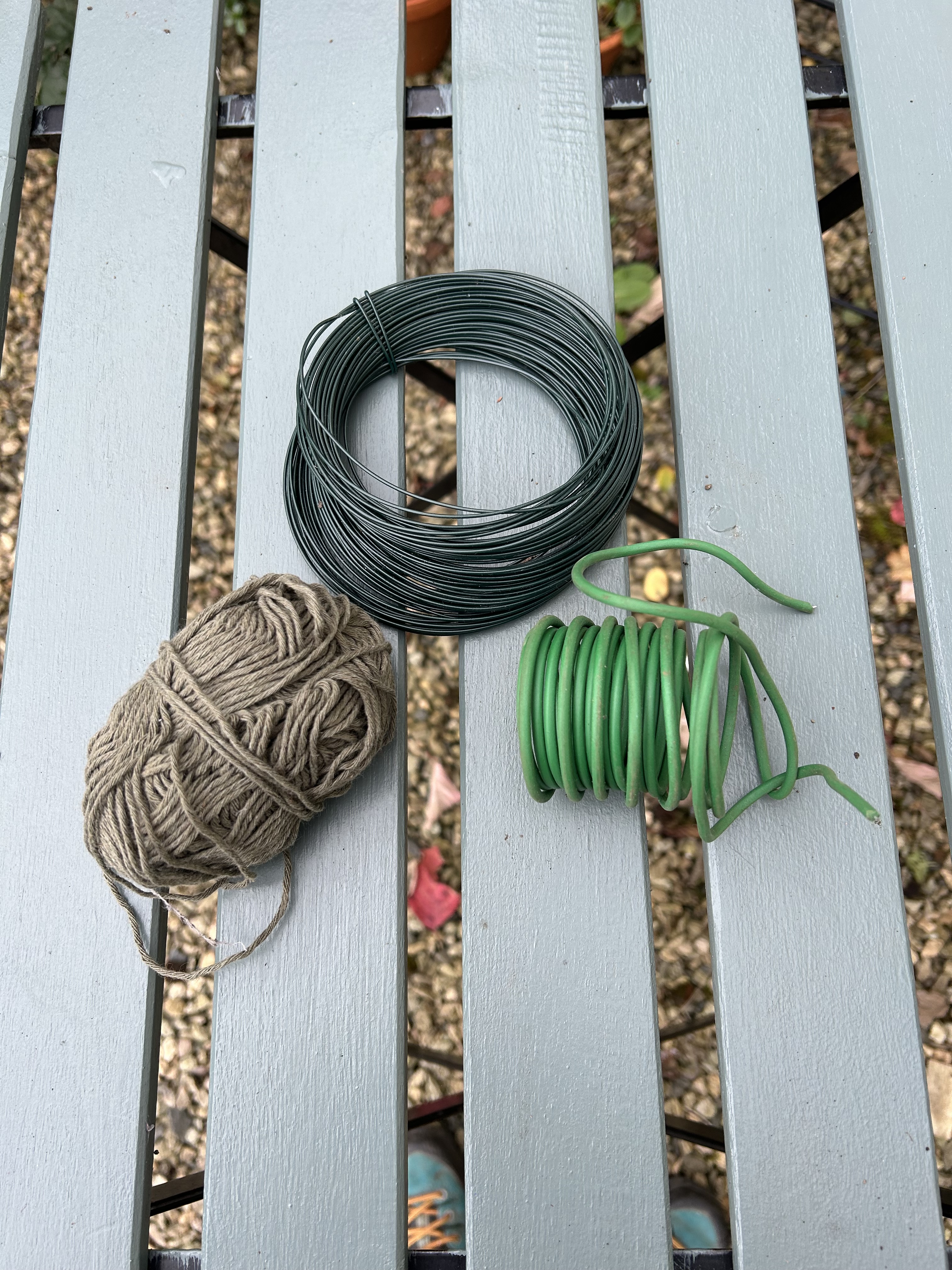
If you grow anything other than the lowest growing plants, you’ll need to tie things in your garden from time to time. Whether that’s making a simple bamboo cane support because it’s been windy and your sunflowers have grown tall. Or whether you’ve got climbing plants like roses or honeysuckle and you want to tie them to a trellis.
You can use most string type things in the garden and you might find having more than one helpful. For example, I use poly/cotton yarn (I’m a knitter and I love multi purpose things) for winding around bamboo canes to support sweet peas and tall, hardy perennials like agastache.
For tying in heavier shrubs like willow and roses, I’ll use rubber coated wire. This is incredibly useful in the garden. The rubber coating is soft against the plant stem or branch so it doesn’t cut it like ordinary garden wire might. It’s also brilliant for reusing—I’ve got a wee pot with various lengths I rummage through first before cutting any fresh.
Kneeler or mat
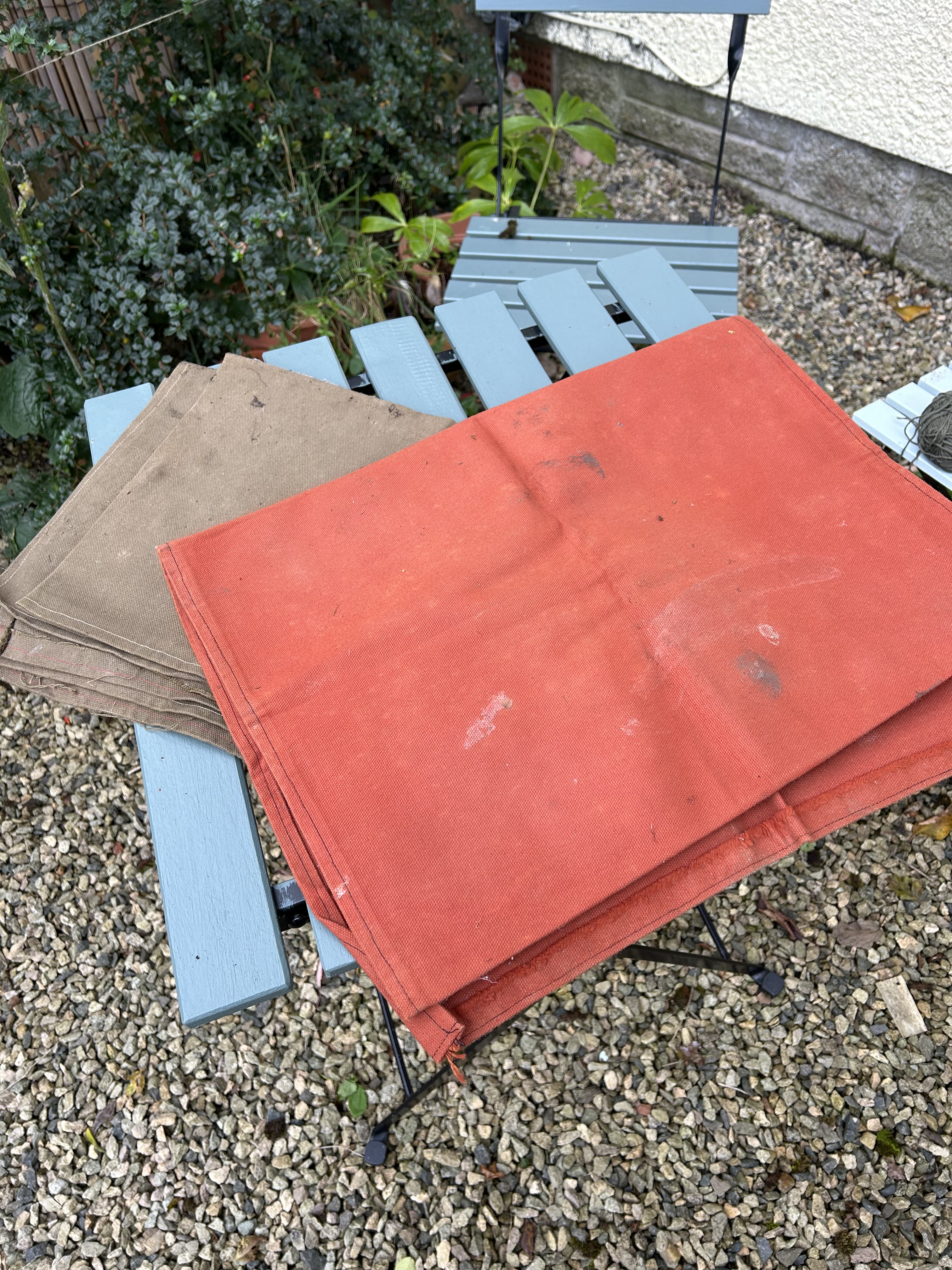
If you’re planting into the ground, your knees (and trousers) will thank you for some kind of kneeling mat. I’ve got some pieces of heavy duty dry waxed cotton from Merchant and Mills that keep the worst of the mud and wet off me when I’m kneeling to plant or weed. Total luxury would be one of those padded kneelers. Wouldn’t that be wonderful?
Hori-hori
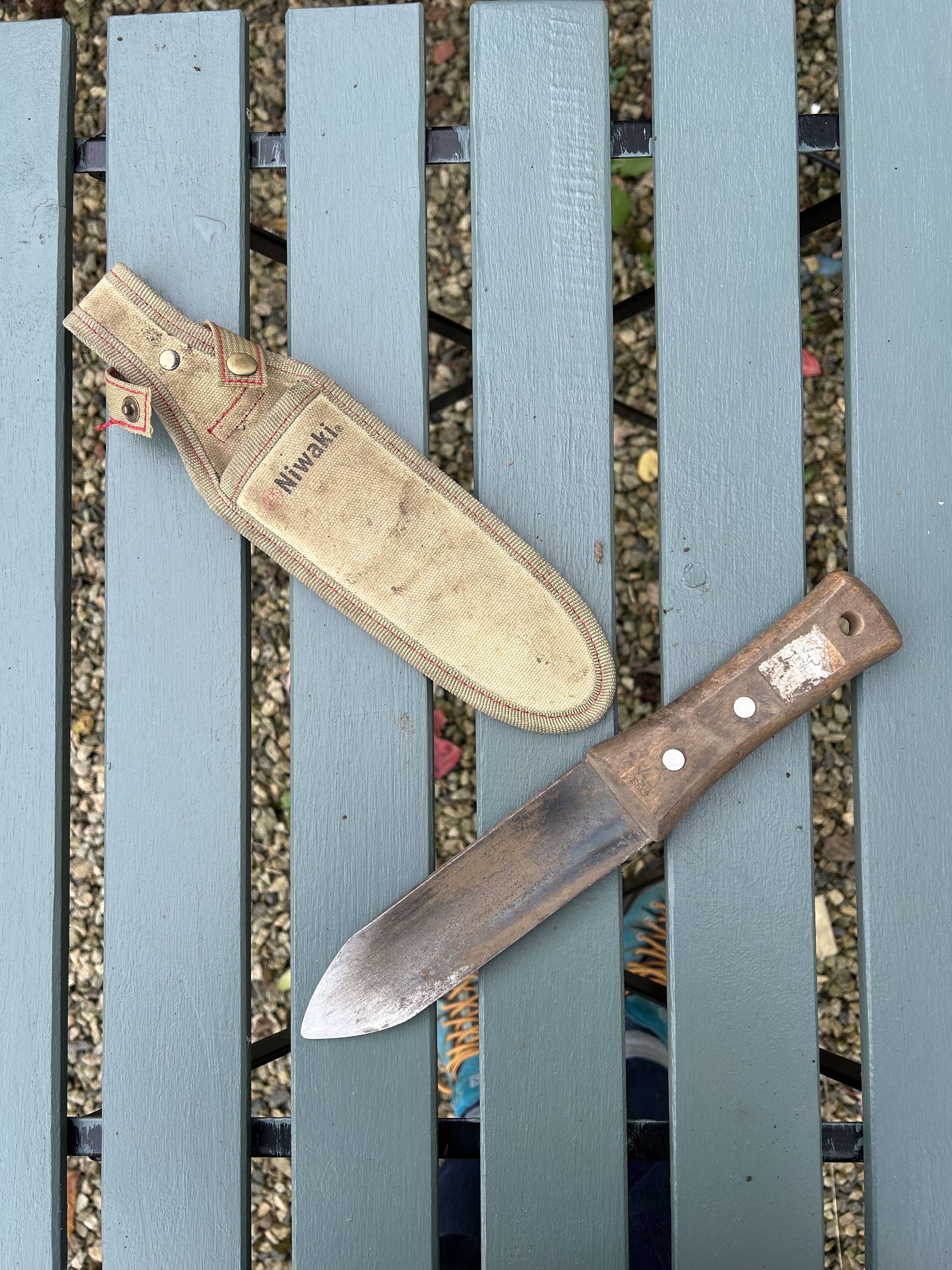
Maybe a garden tool you’ve never heard of. And neither had I until one of my professional gardening friends showed me one. Now I don’t know how I managed without it.
It’s a broad bladed gardening knife, and it’s incredibly multi-purpose. I’ve used mine for cutting out deep rooted weeds like creeping buttercups, making planting slots for bare root hedging, and slicing small holes for spring flowering bulbs just for starters.
Try to get one in a sturdy sheath, which is a safer way to store it and wander around the garden with.
It’s not a replacement for a trowel, and it’s not really designed for digging as you can bend the blade if you exert too much force on it. But together with a trowel, you’ll have most of your smaller ground maintenance covered.
Spade
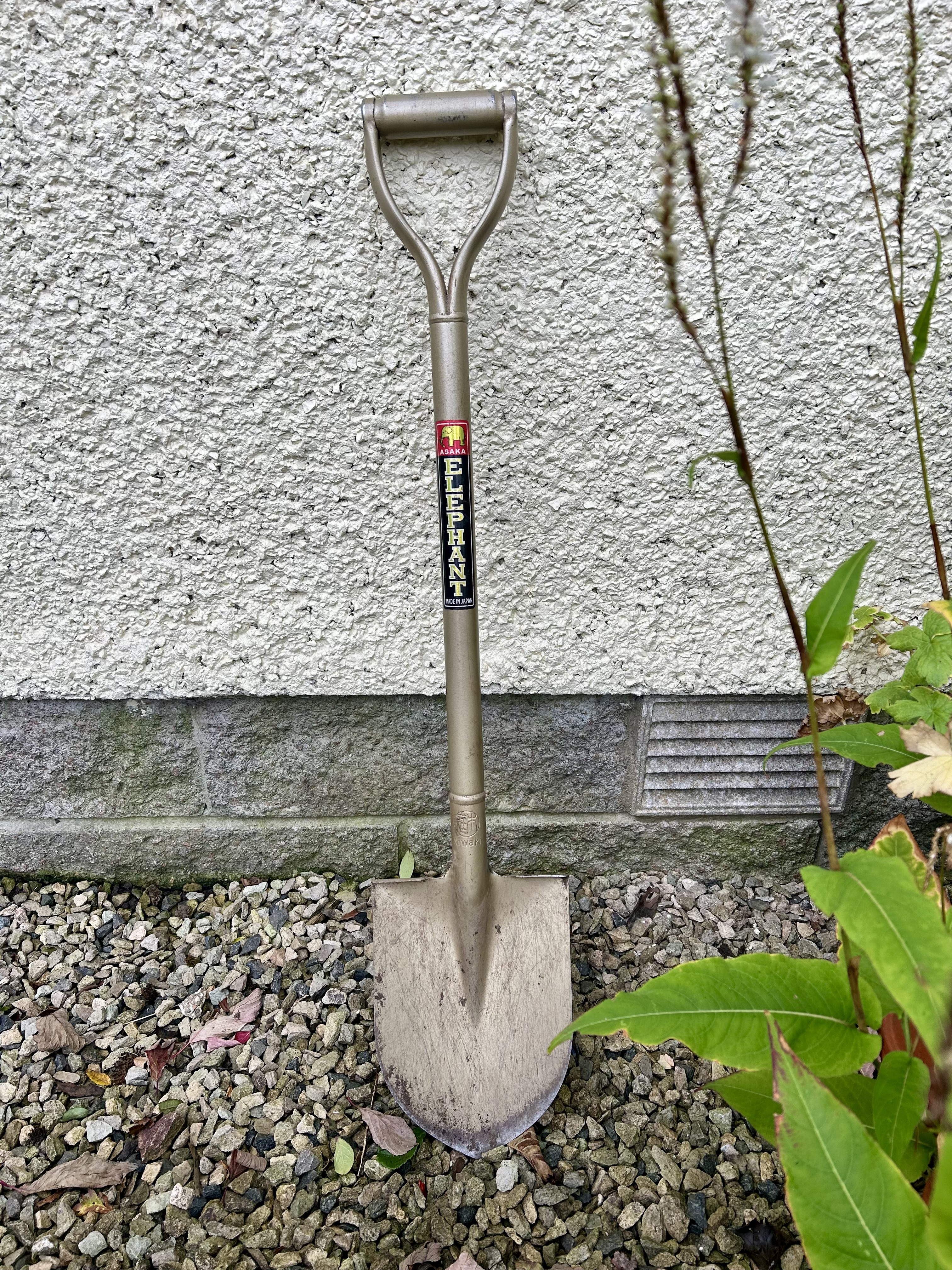
If you fancy planting bigger plants, say ones in 3L pots or bigger, or digging a hole for a bare root tree, you will need a spade. I managed for decades without one, borrowing one when I really needed to, so maybe you can do that too?
When I was buying some secateurs in Niwaki, I spotted the spade of my dreams though. Much smaller, lighter and shorter than most spades, it’s much better suited to my height. It’s been invaluable as I’ve dug holes for apple trees and many roses in our new garden.
As I’ve mentioned with the other tools in this list, do try out a few spades in a shop before you buy one. Some are enormously heavy and unwieldy, and would definitely be off-putting to use.
Loppers
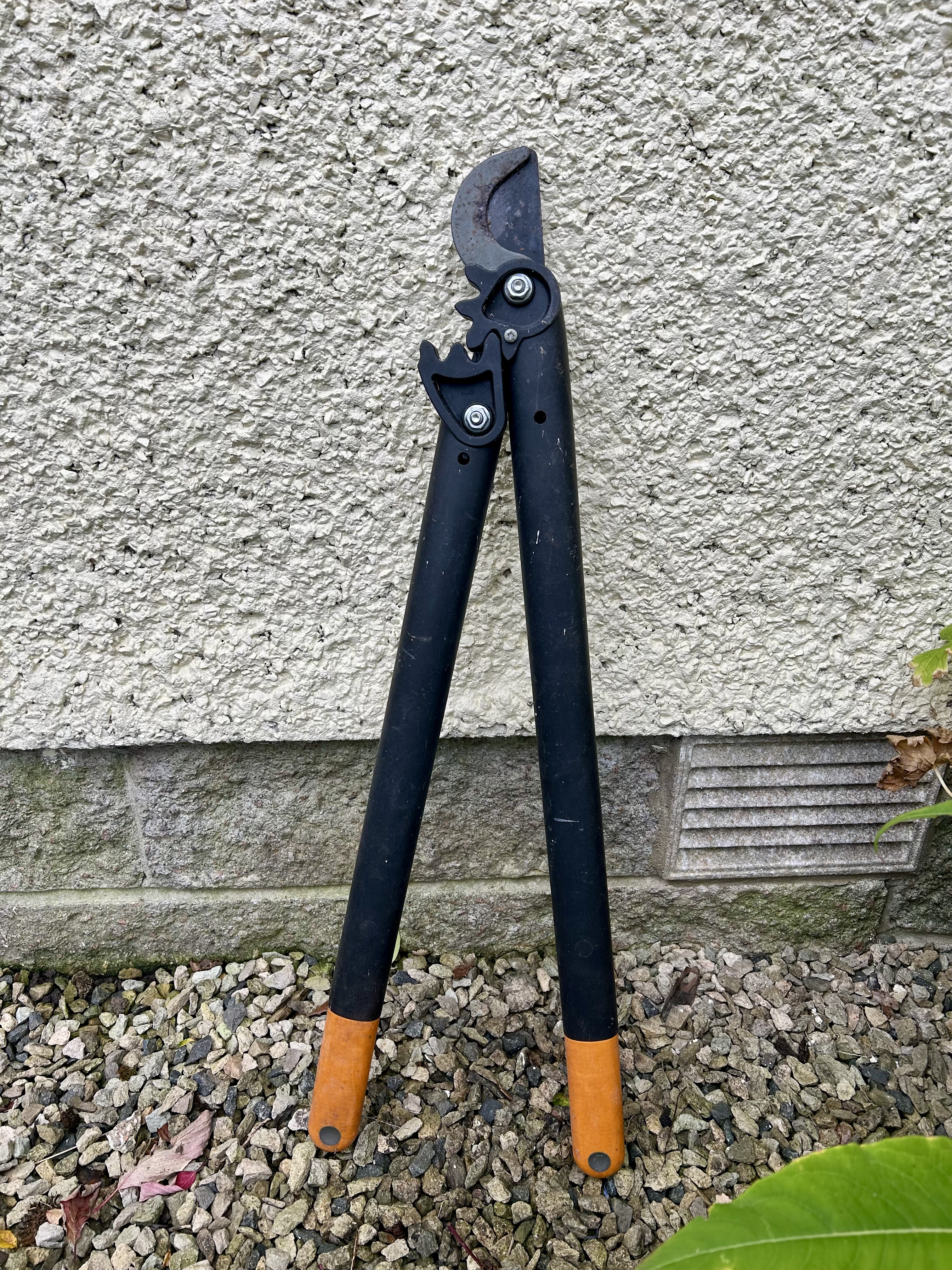
Now, maybe you don’t need these. And I don’t use mine very often either, but I’m glad I’ve got them now I’ve got fruit trees and bigger shrubs. Secateurs can’t manage to cut through woody stems and branches thicker than your thumb. It’s just not what they’re designed for.
So if you have some taller shrubs needing cut back, or you want to prune your fruit trees, these may well help you. But maybe you don’t need to buy them. Is there a community share shop where you live, or could you borrow some loppers from a friendly neighbour?
Tool storage
As I’ve said, I don’t have a shed or a garage for storing garden tools, which is one of the reasons I keep my collection to a minimum. But all garden tools need to be kept in a fairly dry place or they may start to rust, depending on what metals they’re made from.
Keeping your tools in a basket near a door can be a great visual clue to spend a wee bit of time in your garden. Pottering around, tying up a windswept sunflower here, snipping some faded flowers of a rose there, your brain will feel refreshed and your garden will look great with these little tasks done.
Where can I buy gardening tools?
Most DIY shops will sell a range of useful garden tools, but the array can be quite overwhelming. I prefer buying from smaller shops where you can often get expert advice about the differences between specific tools and brands.
My favourite places to look for garden tools are:
Niwaki, London and Shaftesbury
These useful gardening tools will help you to keep your garden looking great, without spending a complete fortune on items you’ll rarely use. Just think of all the gorgeous plants you could buy with all the money you’ll save…
And if you’d like some personalised plant recommendations for your garden, how about booking a garden consultation with me?


 Rowan Ambrose
Leave a comment