How to easily create a bee friendly garden (it’s really simple)
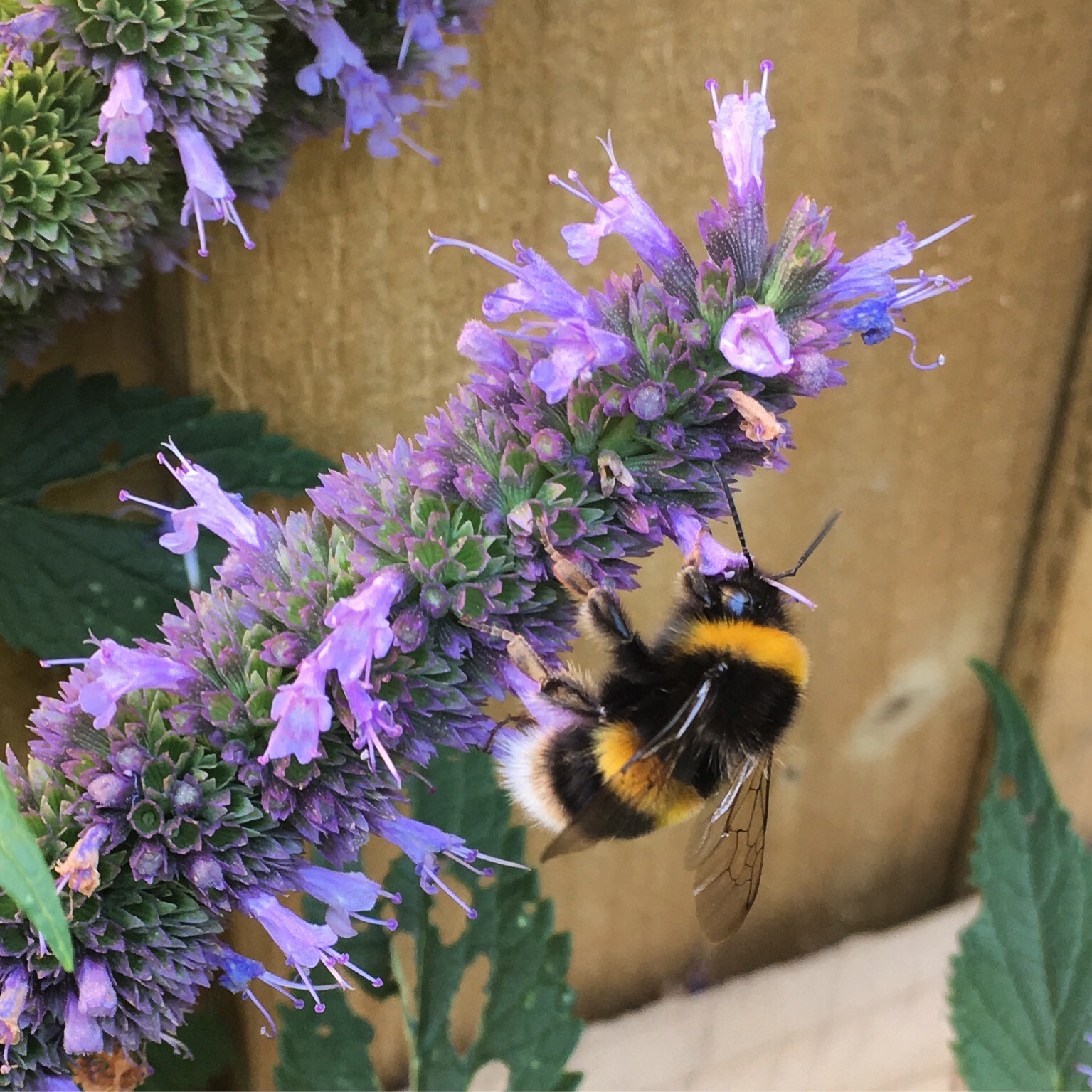
What’s all the fuss about bees anyway? Why should we help them, or try to encourage them into our gardens?
Quite simply, without bees we will starve.
According to the United Nations Environment Programme:
“Bee populations have been declining globally over recent decades due to habitat loss, intensive farming practices, changes in weather patterns and the excessive use of agrochemicals such as pesticides. This in turn poses a threat to a variety of plants critical to human well-being and livelihoods.”
And Friends of the Earth says:
“Bees are one of the world’s most important pollinators for food crops — each day we rely on bees and other pollinators. In fact, out of every three bites we consume relies on pollination. Yet bee populations continue to decline due to the rampant use of pesticides and other environmental factors — like climate change.”
So, yes. Bees are in trouble. And so we need to help them, or we’ll be in trouble too.
But it’s not all doom and gloom. Taking small, simple steps like growing a few plants, even if you only have the tiniest of outdoor spaces, WILL help. Honestly.
When you take action by putting containers of plants on your balcony, terrace or front doorstep, or by adding bee friendly plants to the borders in your garden, you’ll be inspiring other folk nearby to do the same.
Maybe you (and they) don’t realise that you can garden brilliantly in small spaces. But you can. And the bees and other pollinators will be so grateful you bothered to try—it really can be very easy.
How do you make a garden bee friendly?
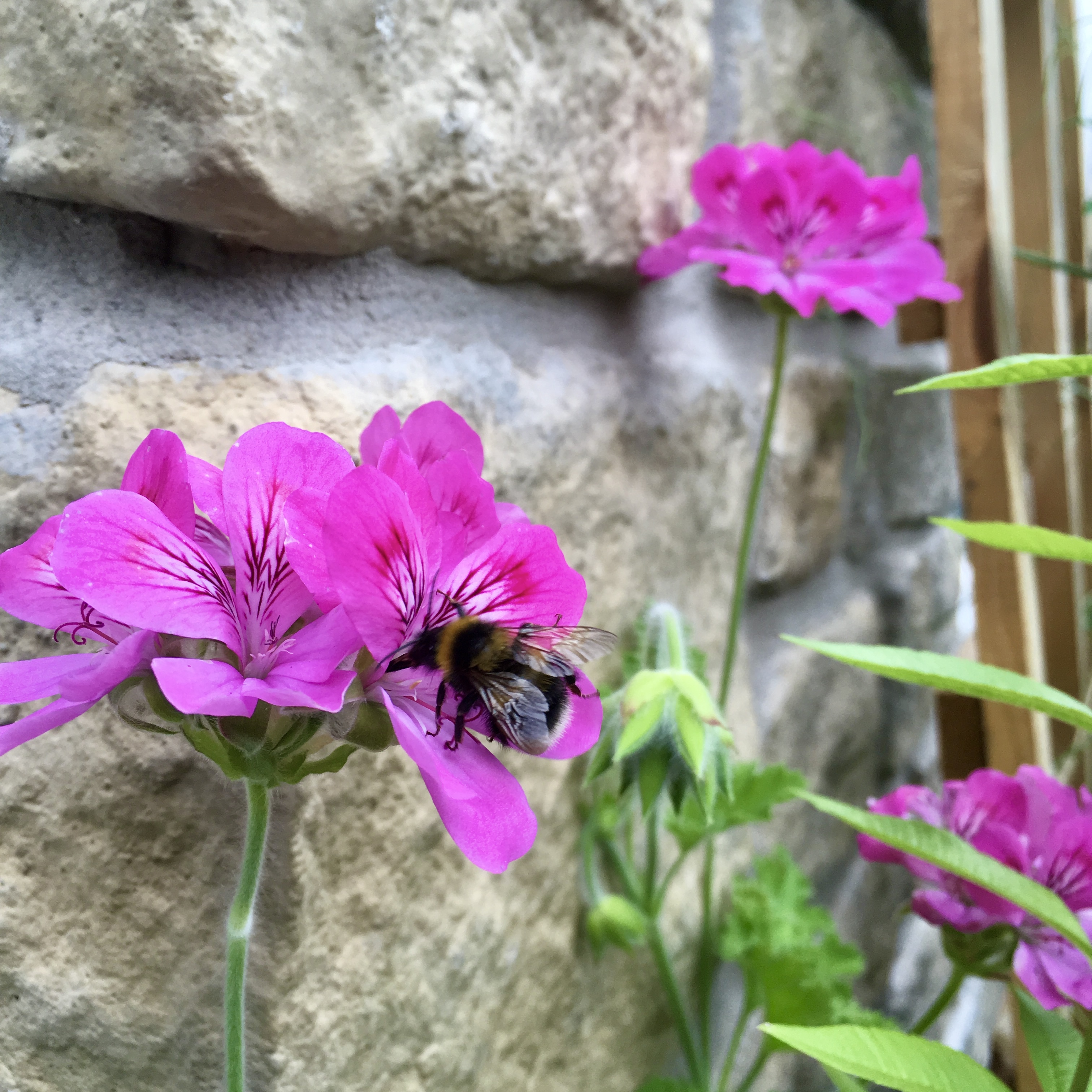
Firstly, by growing plants that they can feed on. Not every flowering plant is a good food source for bees and pollinators, so I’ll list my favourites further down.
Secondly, please, please, don’t use any pesticides, herbicides or the like. Lots of folk don’t like looking at weeds (you can read about when it’s important to weed) so hand pull them if you must, but please don’t use poisonous weedkillers.
Thirdly, ideally, you’d provide food for bees for as many months as possible over the year. It’s easy to have mountains of blooms in the summer, but giving bees valuable nectar and pollen in spring, autumn and winter takes a bit more planning.
And that’s where I can help you.
What is the best garden for bees?
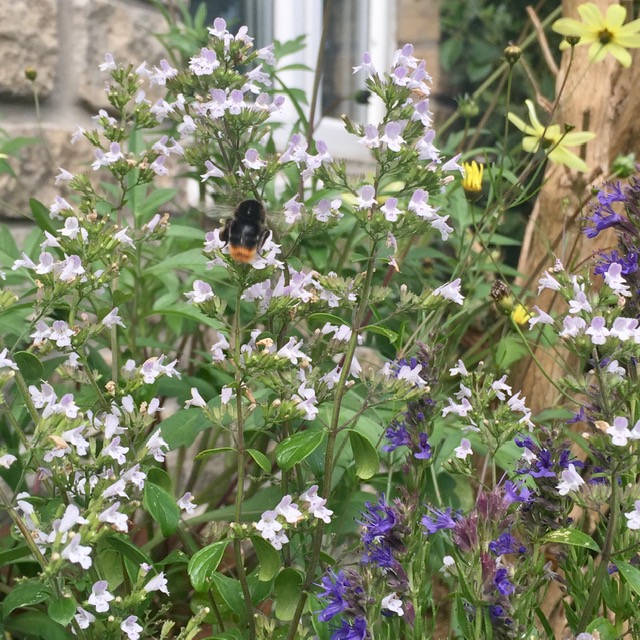
Bees – like all of us – need food, water and shelter. If you can provide these in your garden then you’re winning.
By including plants with long flowering seasons, shallow dishes of water, and leaving some dry stems for bees to set up their winter homes in, you’ll be giving your local pollinators a real boost.
And it needn’t be expensive. Just one hardy geranium plant will flower and feed bees for 3-4 months. You can use any old saucer or kitchen dish, part-filled with pebbles or gravel for a water source (keeping the water shallow will make it easier for bees to drink). And by not being super tidy if leaves blow into your outdoor space, you’ll be creating shelter for bees.
How can I encourage bees into my garden?
Bees will find plants they can feed from. And once the word gets round – which it will do, bees being great communicators – they’ll be happily feasting in your garden.
By planting several of the same types of plant together it makes your garden easier for them to spot from the air. Blocks of colour stand out better from above. So rather than buying one each of several different plants, try to stick to two or three of your favourites and buying more of those, especially if you have a small outdoor space.
If you have a lawn, try to resist weeding it. Flowers such as dandelions and daisies are incredibly valuable food sources for bees. They’ll be so grateful in spring to gorge on those fat golden flowers.
How to make a pollinator garden in the UK
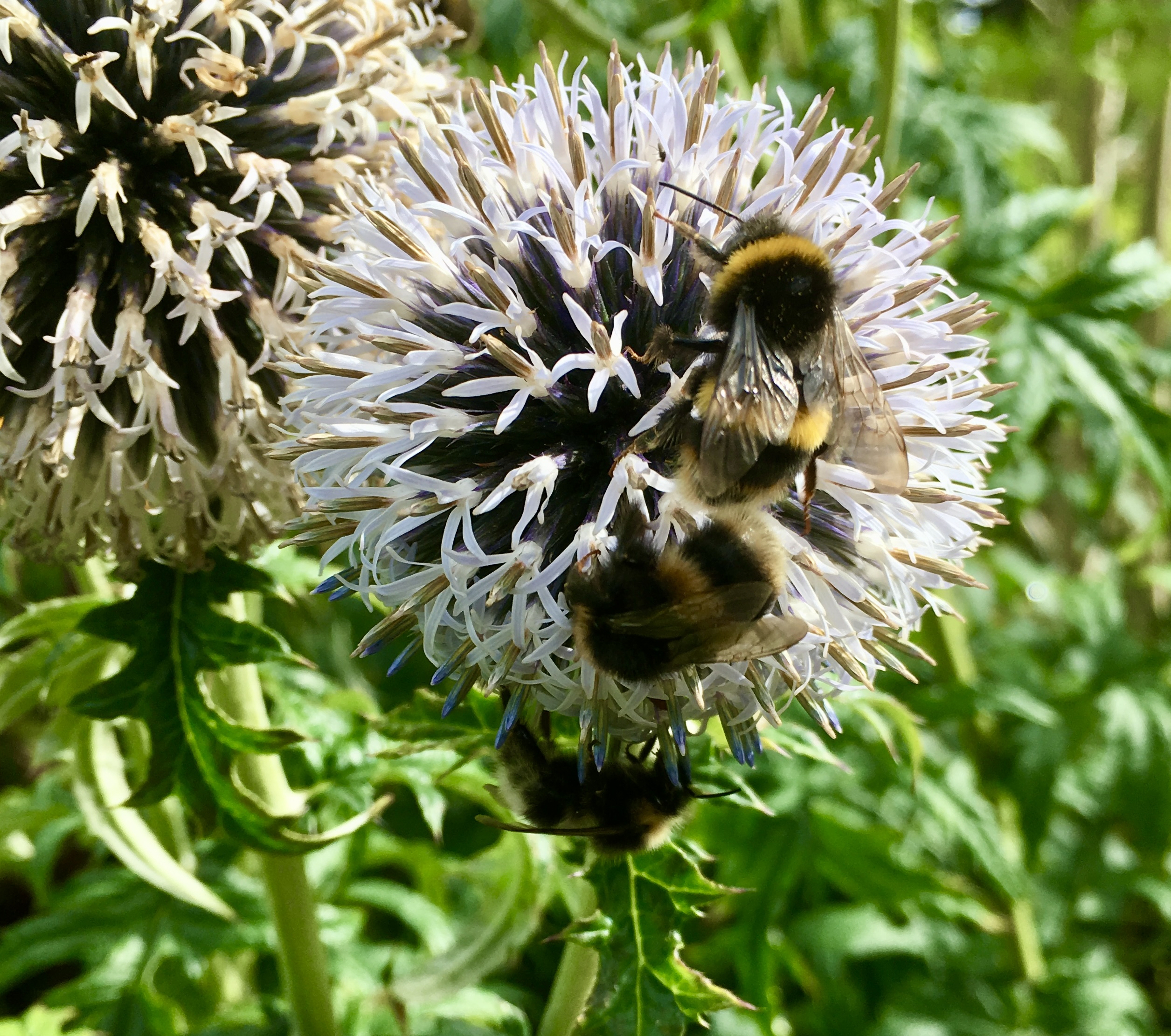
By including plants from the sections below, you’ll be providing valuable food and shelter for bees and other pollinators. And if you have a tiny space, it’s still worth adding some carefully chosen plants to it—you don’t need a massive garden to make a big impact. You can grow all the plants I list here in containers, so don’t worry if you don’t have flower beds and borders.
If you’d like more advice specific to your situation about making a pollinator and bee friendly garden, then how about booking a garden chat with me?
Best bee friendly shrubs
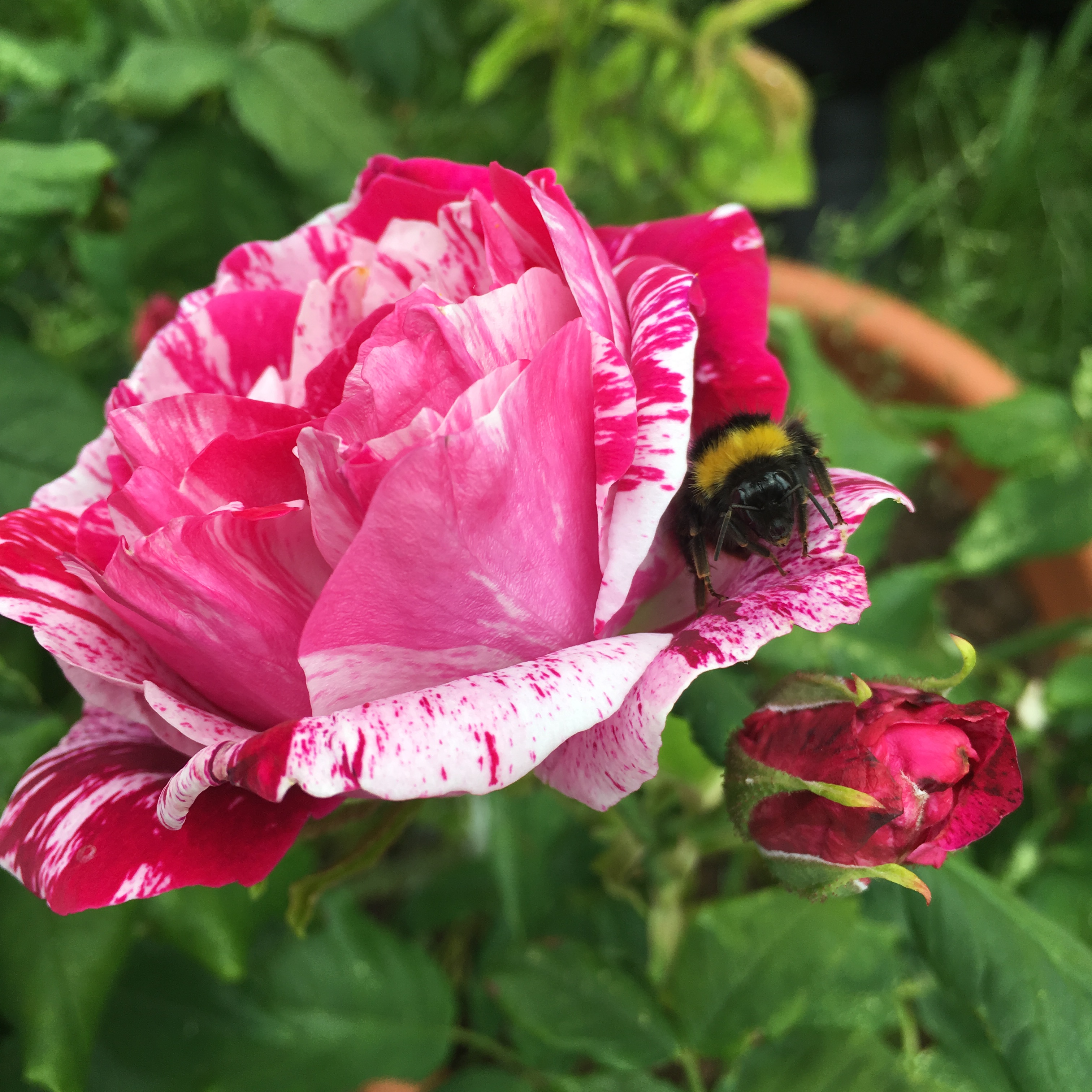
I’ll start with bee friendly evergreen shrubs as they’re super useful for providing year round interest in even the tiniest garden.
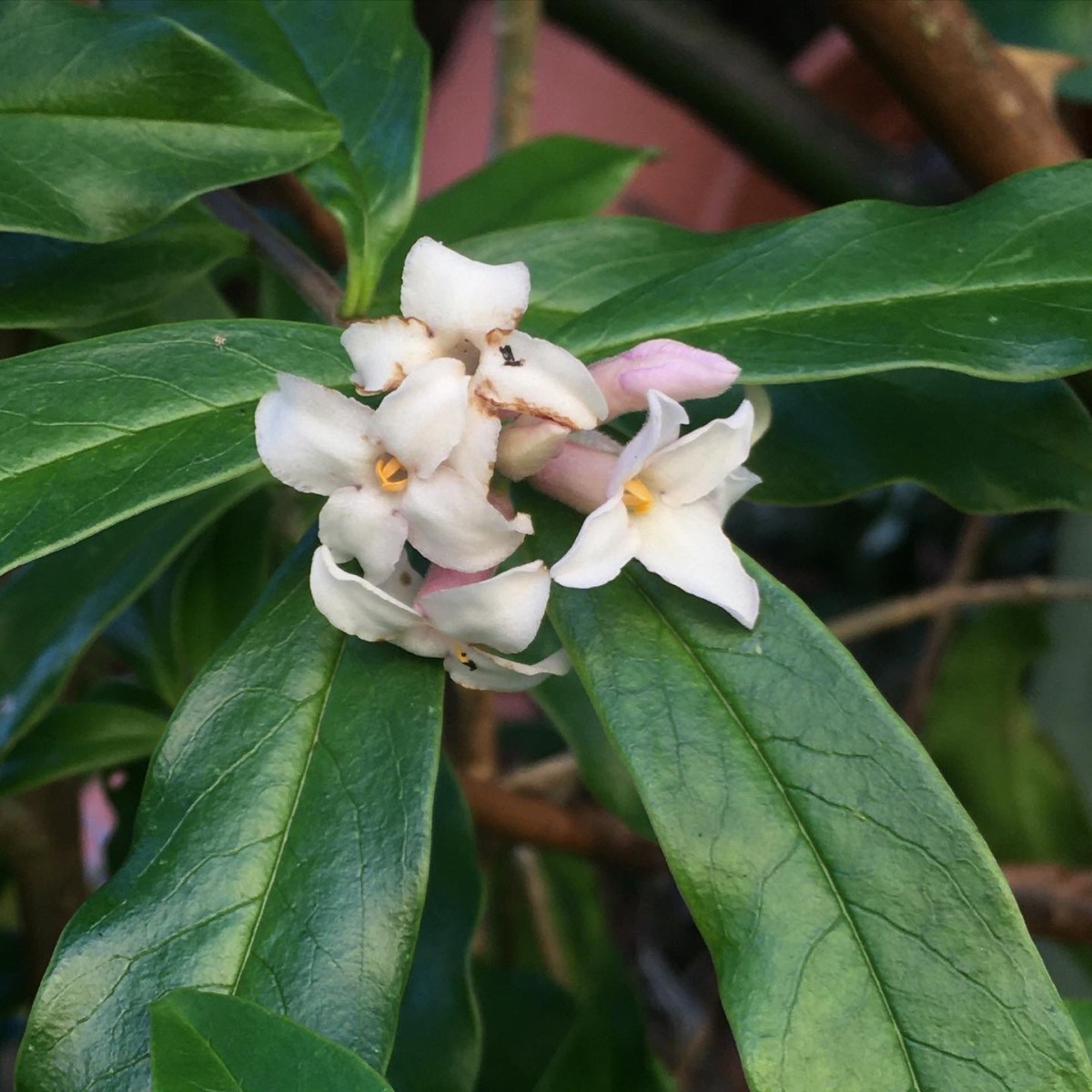
Osmanthus x burkwoodii
Elegantly shaped leaves and smooth bark make this evergreen shrub a brilliant choice for any garden, however small. It’s a languid grower, so you don’t need to worry about it racing away. The bonus joy is the white, trumpet shaped flowers that emerge in spring; their delicate peach and apricot scents brighten the dreariest of April days.
Ceanothus
Scattered with fluffy bright blue flowers in spring, this fast growing evergreen shrub is a joy to behold. Tiny, slightly toothed leaves scatter the light all year round. It’ll be very grateful for a sheltered spot, so I wouldn’t recommend it for a windy balcony.
Choisya ternata
A stalwart evergreen shrub in my garden, choisya ternata is tough, beautiful and useful. Spangled with gleaming star shaped flowers in spring, and sometimes in autumn too, this is a gem of a plant. Steadily growing into a lovely rounded shape, it’ll delight you and your local bees.
Viburnum tinus ‘Eve Price’
Evergreen leaves, scented flowers and berries too—this wonderful shrub has it all. Rich pink buds opening to glittering white flowers in the deepest darkest days of winter, this is a shrub to gladden your heart. Dusty, dark blue berries will thrill your garden birds too.
And now we’re onto bee friendly deciduous shrubs, which will lose their leaves in autumn (fall).
Winter flowering honeysuckle
Winter flowering honeysuckle is a quiet looking shrub. Soft, apple green leaves are nice enough and make a useful backdrop for showier plants, but it’s the cold, bleak days of late winter when this plant’ll really dazzle you. Creamy trumpet shaped flowers breathe their soft, sweet scent through the freezing air. Plant one near a doorway in a sunny spot for maximum fragrance potential.
Viburnum bodnantense ‘Dawn’
Another winter scented beauty. Clusters of rosy pink flowers sit perkily at the end of each stem. Clip a sprig to bring indoors and remind yourself that spring will arrive, it really will. This is also stunning in the autumn (fall) when its leaves turn spectacular shades of flame.
Chaenomeles
Chaenomeles, or flowering quince, is a superb bee friendly shrub for the low maintenance gardener. Incredibly unfussy about soil, and will happily grow in shade, fat buds form in winter and slowly unfurl into delicate cup-shaped flowers in early spring. This means they’re very valuable for bees out and about on mild days.
Roses
More deciduous bee friendly shrubs can be found among the vast array of roses you can buy these days. People are always surprised when I include them in their garden consultation recommendations, but roses like Ferdinand Pichard, Maiden’s Blush and Tuscany Superb are brilliant for feeding your local pollinators.
Roses are tough, beautiful, and often scented too. They’ll develop deep and strong root systems over time, so they’re also pretty drought resistant. Here are more reasons why you should grow a stunning rose in your garden.
Best bee friendly hardy perennials
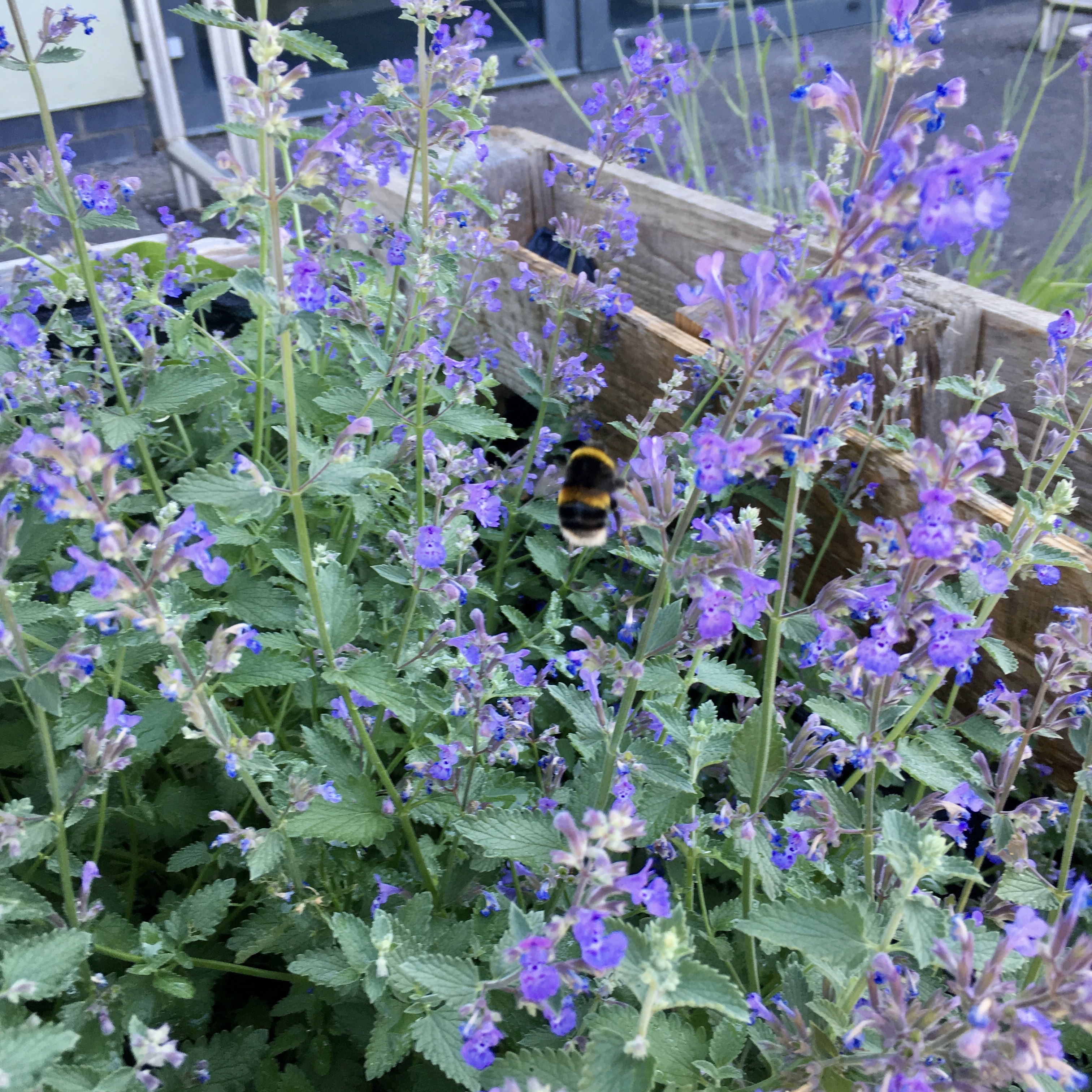
This is already a long blog post, so to avoid it becoming unmanageable, I’ll direct you to my 17 best hardy perennials for months of colour in your low maintenance garden. Everything in that list is bee friendly and, as they’re chosen by me, you know they’re low maintenance, easy care and will grow in containers too.
Here’s a short list of some of my favourites:
- Geranium
- Nepeta
- Agastache
- Salvia
- Perovskia
- Achillea
- Verbena bonariensis
- Japanese anemone
- Persicaria
- Sedum
Best bee friendly climbers
I’ve chosen my top three bee friendly climbers here, as these beauties can fill spaces fairly quickly and you may only need one or two.
Ivy
You know the knobbly things you see on ivy in autumn (fall)? They’re ivy flowers. And bees love them for boosting their honey production before the cold weather sets in. Ivy is brilliant for quickly scrambling over ugly sheds and hiding other un-lovely sights in your garden, plus birds often build nests in its snug evergreen embrace.
Honeysuckle
Now, there are lots of different kinds of honeysuckle, but most are bee friendly, so your choice will depend on which colours of the deliciously sweetly spicy flower trumpets you prefer. Some varieties are silver and gold, whereas others are richly ruby with saffron. Honeysuckle grows fast and is low maintenance and easy care, so it’s a great climber to grow for your bee friends.
Climbing roses
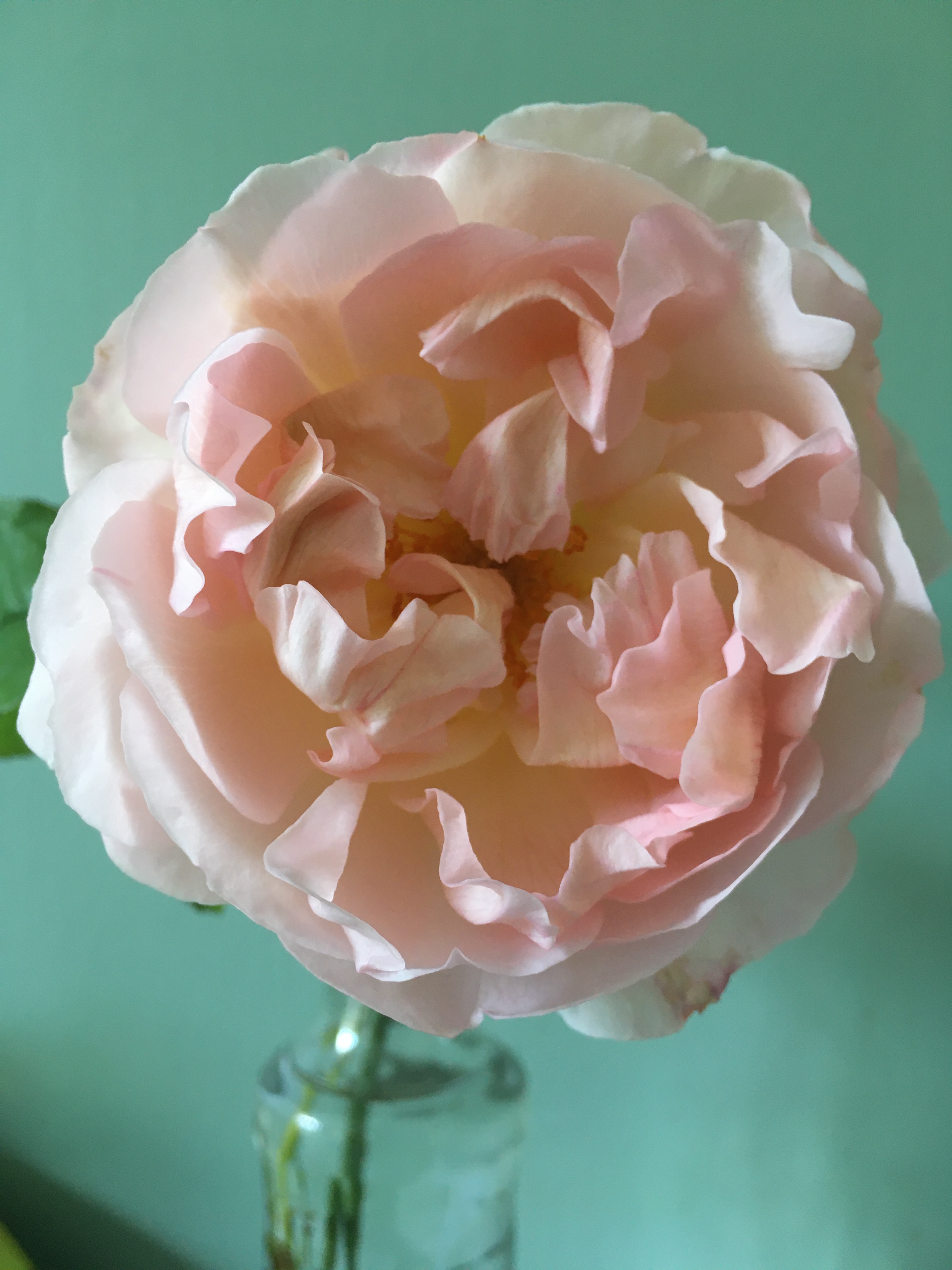
Roses again, I know! But they’re just so great in most gardens. You can even grow a climbing rose in a container, which is the only way I could grow them for over a decade.
The key to choosing bee friendly roses is to look at the shape of their flowers. Are they open and saucer shaped, to allow bees access to the pollen rich stamens in the centre? Top choices from me include Generous Gardener (soft pink), Mme Alfred Carriere (shell white) and Maigold (rich golden amber).
Best bee friendly bulbs
As winters in lots of areas are getting milder, bees are waking from hibernation earlier. And when they wake, they’re hungry. But there’s often not much for them to feed from.
And this is where you can help them.
Planting late winter and early spring flowering bulbs will offer your local bees valuable snacks of nectar and pollen to boost their energy. All of the bulbs I suggest will grow well in the ground or in containers, so even if you only have a tiny garden, how about buying one pack of bulbs to plant this autumn as a wee bee treat?
Snowdrops
Snowdrops are the earliest bulbs to flower here in Scotland. Some types even start opening in a mild December. Snowdrops will happily grow in a shady place, and will multiply underground too, so the year after you’ve planted them, you’ll likely have more flowers.
Their glistening, sometimes honey scented, milk white heads nodding in a chilly breeze is such a hopeful sight in the darkest days of winter.
Crocus
You’ll have more colour choice when it comes to planting spring flowering crocus. Rich gold, imperial purple, icy white, or sometimes combinations in one pack. Crocuses love a sunnier spot than snowdrops and tend to emerge a month or so after them, so if you can plant both, you’ll be providing tasty treats for your local bees for weeks on end.
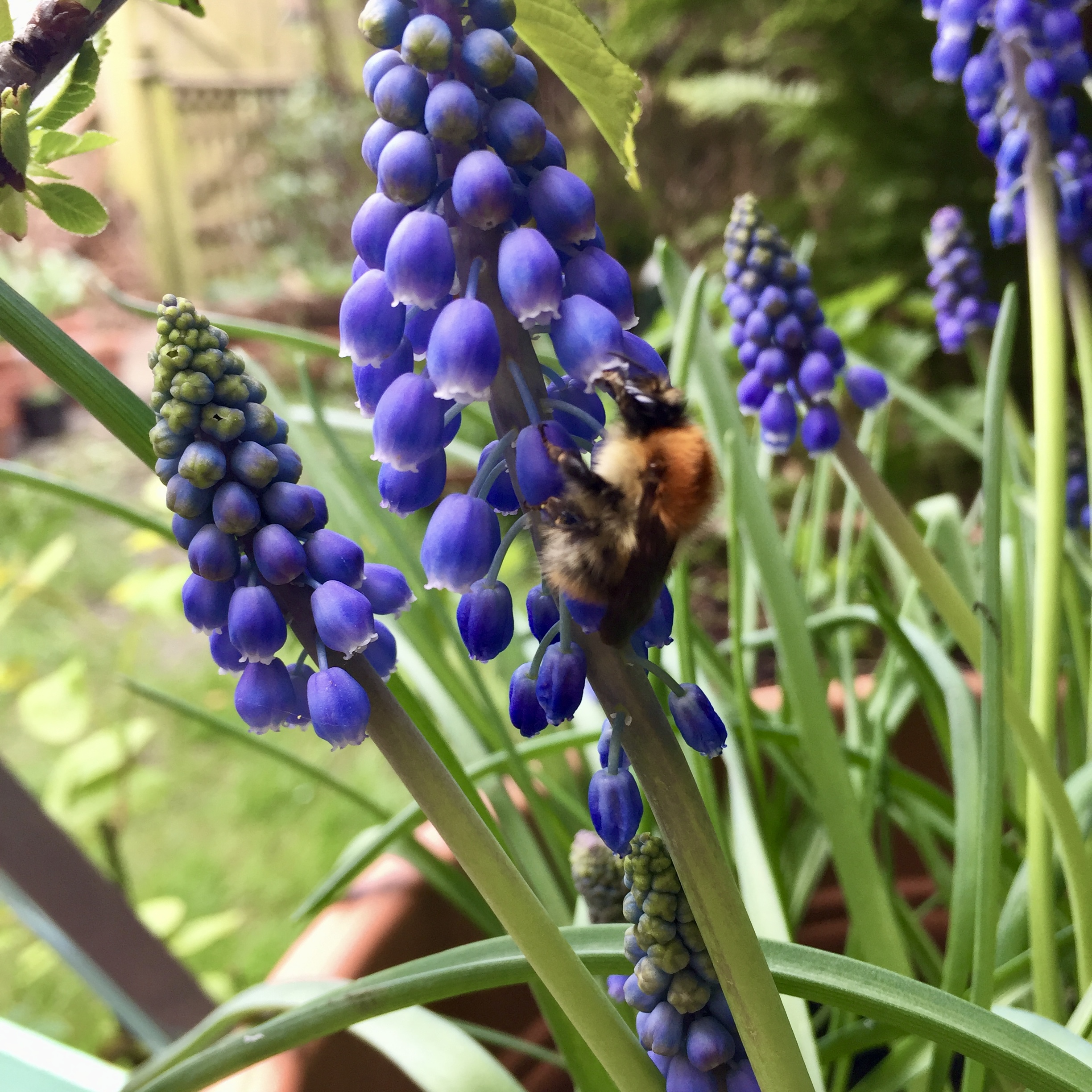
Muscari
Another super easy to grow spring flowering bulb, which will start emerging after snowdrops and crocuses. Muscari come in deep blue/purple most commonly and you can find various heights. They’ll grow happily in sun or part shade and will open their tiny grape shaped flowers gradually, so bees can feast on the same flower stems for weeks. Muscari are always excellent value for money.
Allium
The last to flower in this selection of bee friendly bulbs, usually starting in May. Alliums are a huge group of flowering bulbs, so you could provide food for months for your local bees just by planting different kinds of them. Often found in rich violet shades, though you can get arctic white, glowing gold and cerulean blue types too.
Alliums love a sunny, well drained spot, and if happy, will naturalise underground to give you more blooms year after year.
Best bee friendly annual
I don’t grow much from seeds because I have ADHD and I find they’re a bit of a hassle. Plus you always have to fight with slugs who love their tender leaves. But these annuals (plants which you grow from seed, they flower and set seed all in the same year) are tried and trusted, and the easiest to grow that I’ve found.
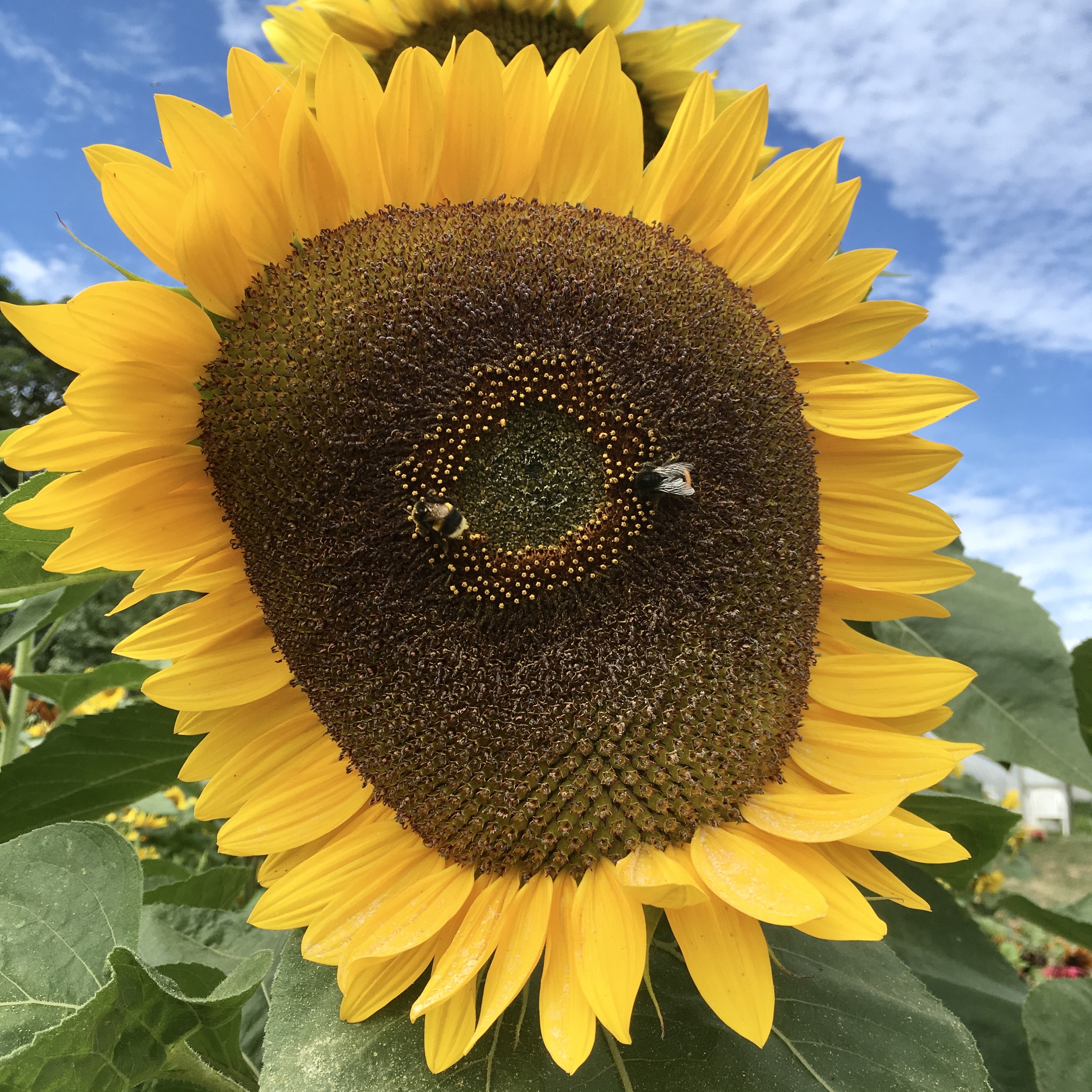
Sunflowers
There are SO many varieties of sunflower seeds to choose from now. You don’t need to grow the enormous ones that need staking so they don’t fall over. You can find rich, russet ones, shaggy golden ones, some even with streaked petals. Bees really do love them and when the heads have faded, you can put them out for your garden bird visitors over the winter.
Calendula
A surprisingly tough and resilient plant to grow, and the flowers are edible too. Try scattering them through a salad to make it look super posh. There are many colours to choose from and they’re all bee friendly.
Borage
Bright blue star shaped flowers spangle these sturdy plants. Another resilient plant to grow from seed, borage will gently spread itself around your garden, surprising you with its tranquil beauty in subsequent years. The flowers are edible, so you could try making ice with them and pop them in your fancy summer drinks.
Nasturtiums
The easiest seeds to germinate and watch flower, even if you only have a sunny windowsill. Vibrant shades of rich orange, sunny gold and even mahogany brown can be found. If you can pop them outside in summer, you’ll get even more velvety flowers, and the leaves and flowers are edible too.
Cerinthe
Cerinthe is new to me. It was recommended to me by a flower farmer friend (thanks, Olivia!) as an easy to grow, bee friendly annual. And it was one of the few that survived The Great Slug Invasion in early summer here. I’m smitten with their smoky amethyst, bell shaped flowers that the bees absolutely adore.
Sweet peas
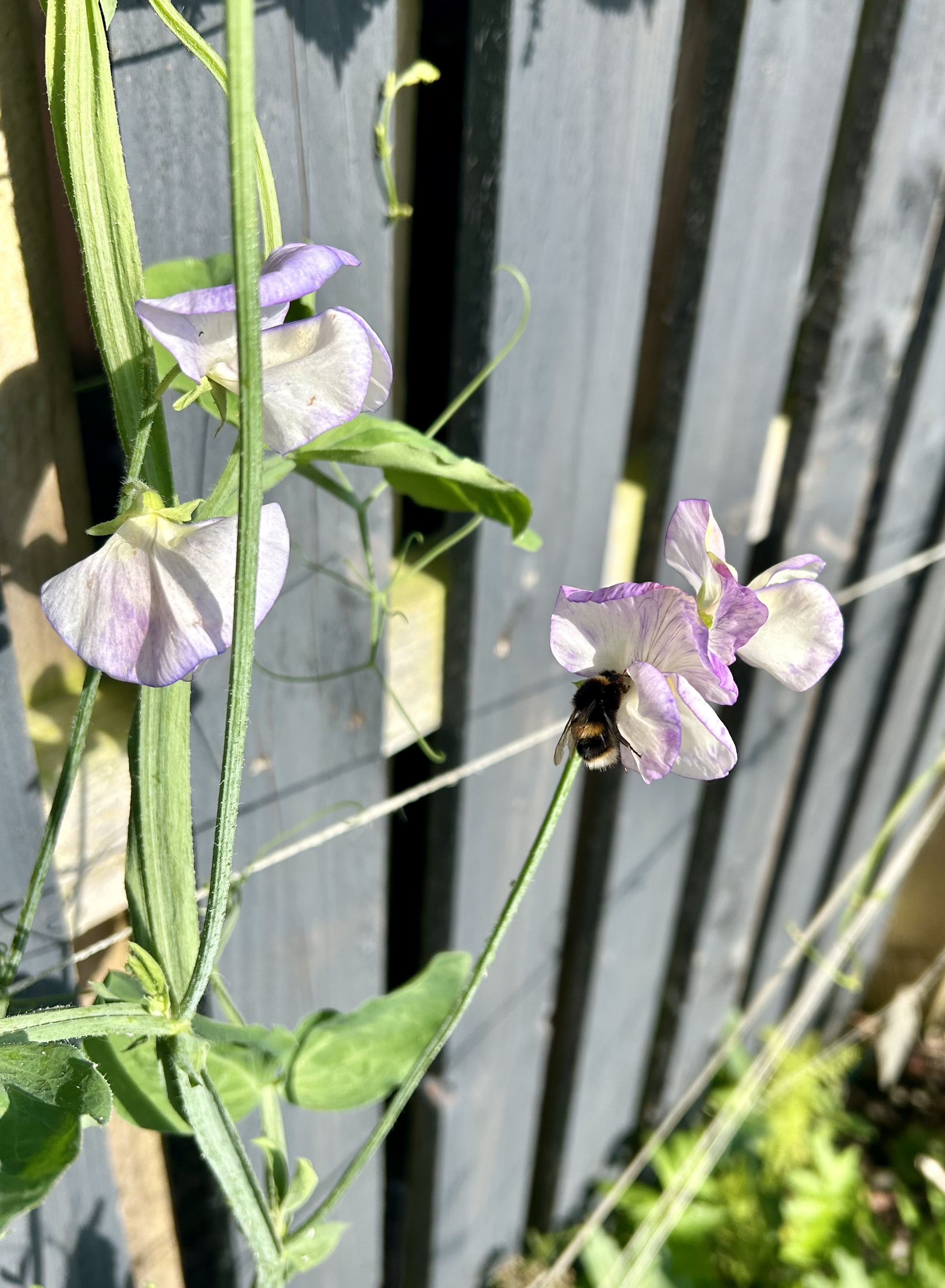
I’ve always loved sweet peas, but I’ve only recently discovered that bees love them too. They’re super easy to germinate; I always use compost filled loo roll inners to start them off in the house. You can get dwarf ones that are low growing, or let the tall ones scramble over a scruffy fence as I have this year, breathing their heady scent into the evening air.
So yes, creating a bee friendly garden is easy. And feeding the bees is one of the most powerful things you can do with your garden, however small it is. The internet is your friend here too, so if you’re at a garden centre eyeing up plants, look them up on your phone to see if they’re bee friendly before you part with your hard earned cash.
And if you’d like more help choosing your perfect plant partners to create a bee friendly garden, how about booking a garden consultation with me, starting at just £50?


 Rowan Ambrose
Leave a comment