How do you get started gardening if you only have a small budget?
Have you noticed that lots of gardening programmes and magazines assume you’ve got a huge budget, a greenhouse, a potting shed and loads of outdoor space?
I agree—it’s very off putting, but you really CAN get started gardening with a small budget and an equally small space, as long as you have lots of ideas. And that’s where I can help you. I’ll bet you’re more creative and resourceful than you realise.

How to start gardening for £5
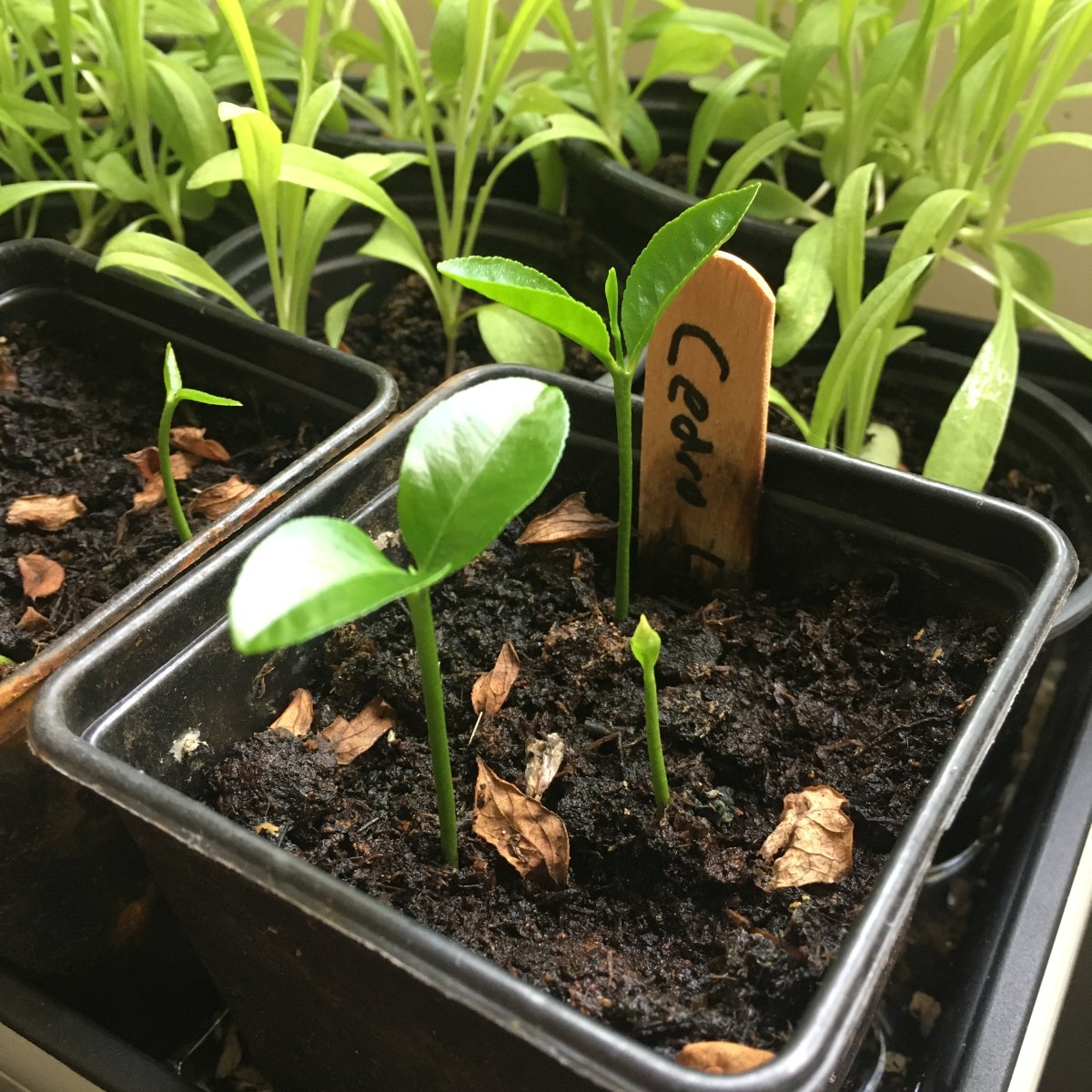
For your budget of £5, you can buy a packet of seeds, split a small bag of compost with a friend, and plant them in an old tin.
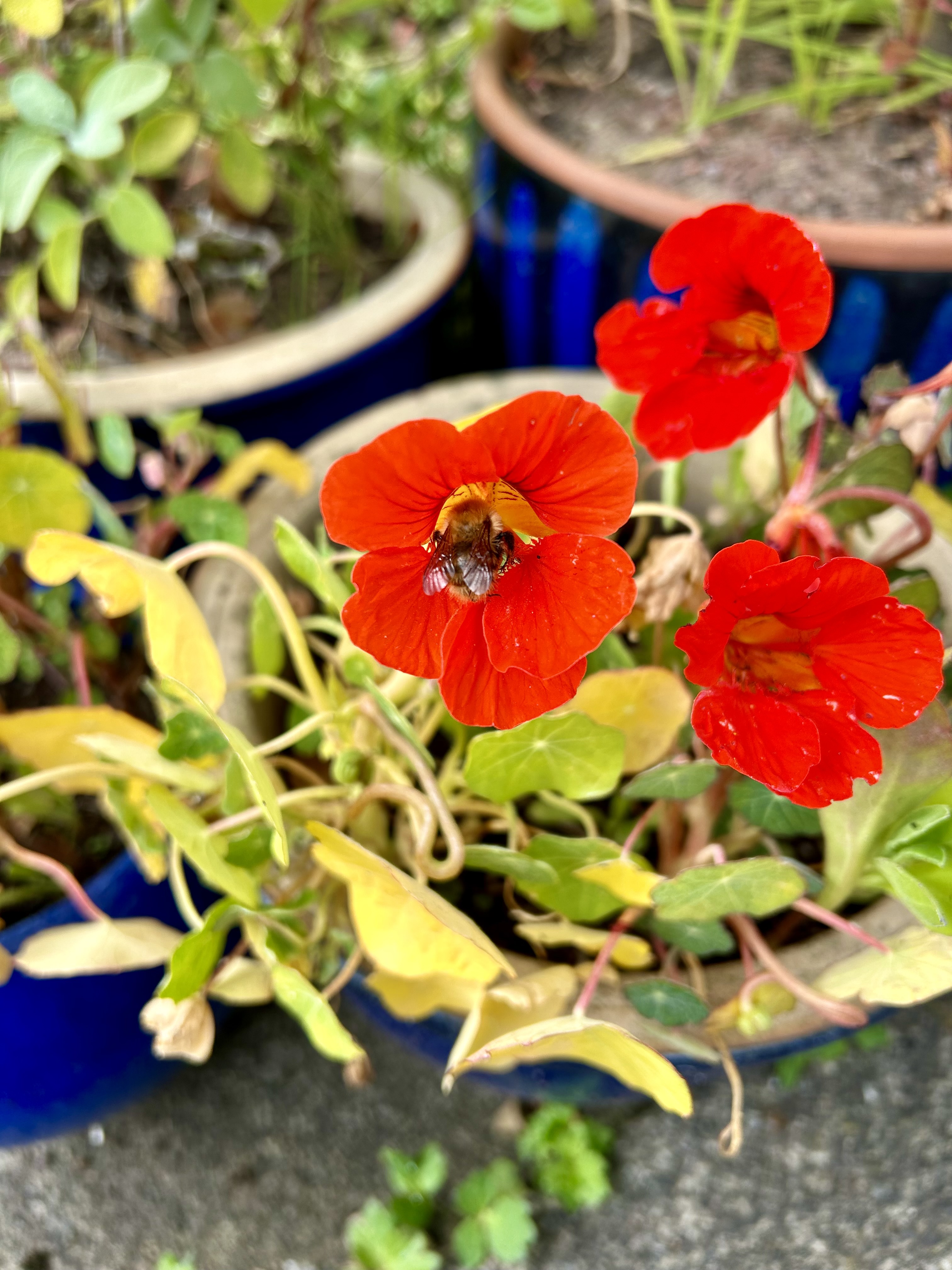
I’d choose something edible like salad leaves, or jolly flowers like nasturtiums (actually nasturtiums are edible too.) These will grow happily on a sunny windowsill, blooming for weeks on end. If you have room outside, you could plant them in the ground, or pop them in a bigger pot so you get even more flowers and foliage.
When you’ve planted as many seeds as you like, you could swap the leftovers with a friend so you have more variety.
Calendula for fiery orange edible flowers, or borage for cool blues would be gorgeous additions to your windowsill garden.
Looking for recommendations for where to buy seeds and other plants? Here’s where I buy most of mine.
My gardening budget is £10—what could I buy?
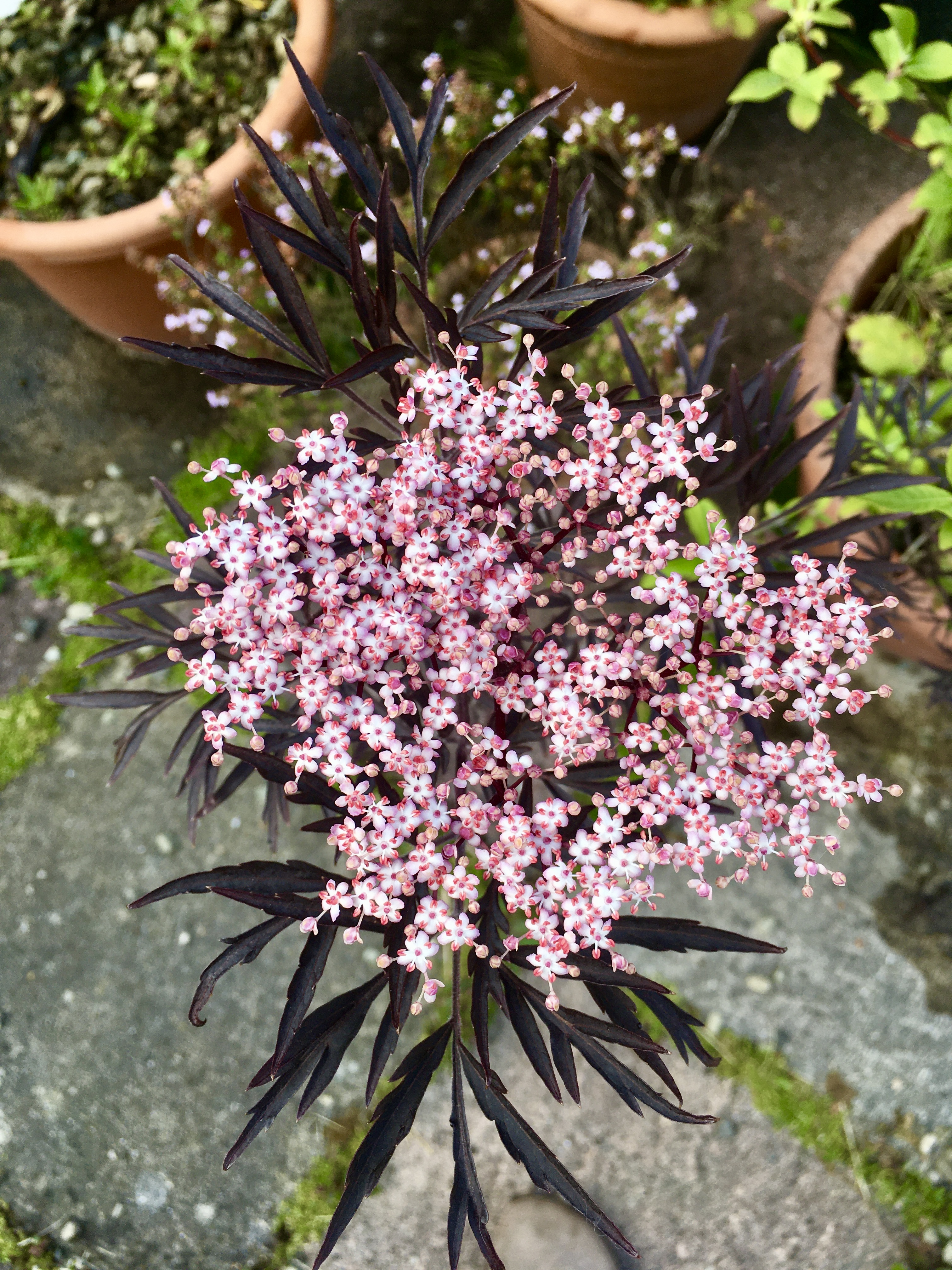
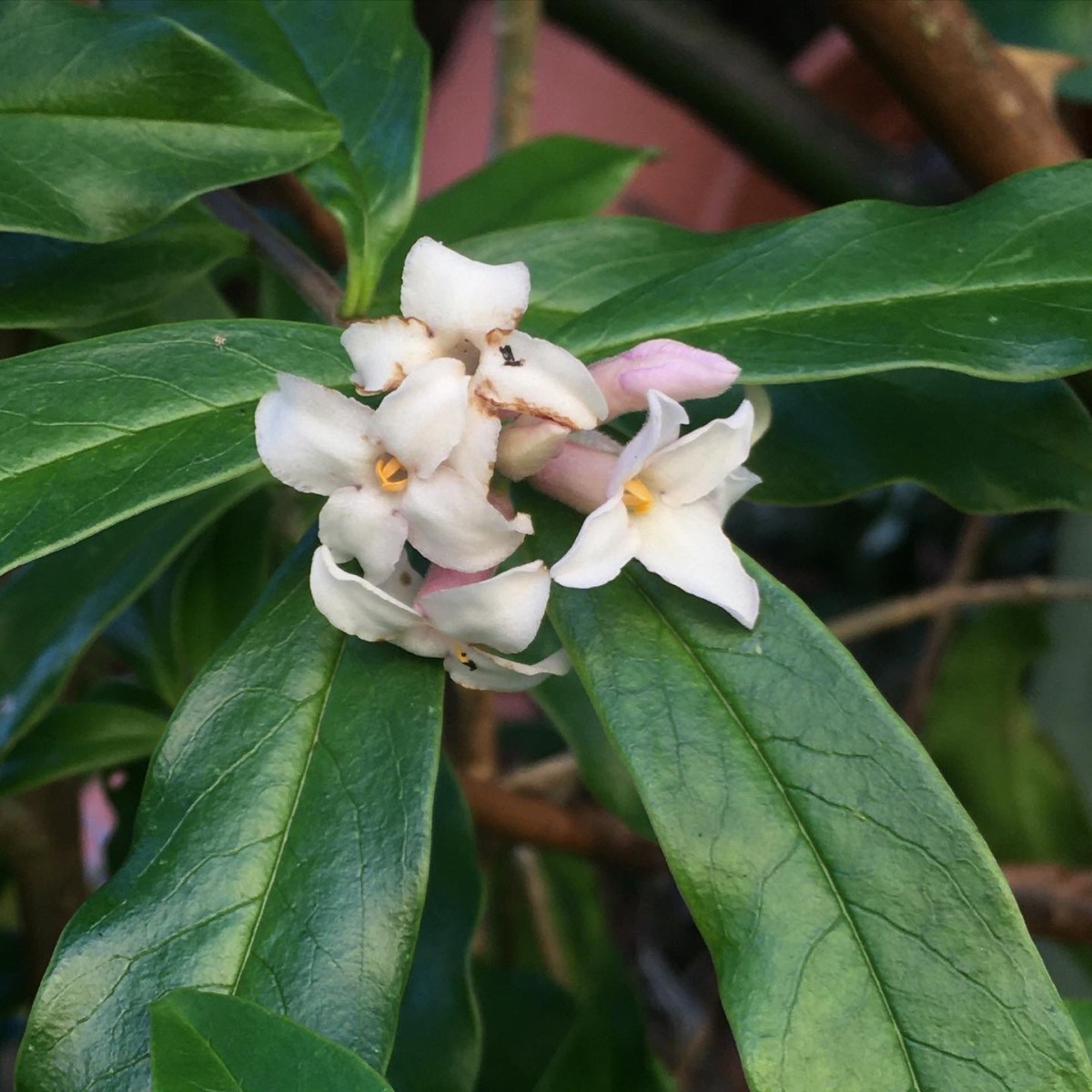
How about growing a shrub? You could choose an evergreen one for year round colour and interest, or go for a deciduous one which’ll provide you with blazing autumn colours.
Most garden centres and nurseries in the UK sell small shrubs for £8 or so, but don’t be dismayed by its size, it’ll grow.
£8 is a big chunk of your £10 budget, so hopefully you’ll have a border or flowerbed for planting. If not, you could go for a hardy perennial instead as they’ll usually be cheaper.
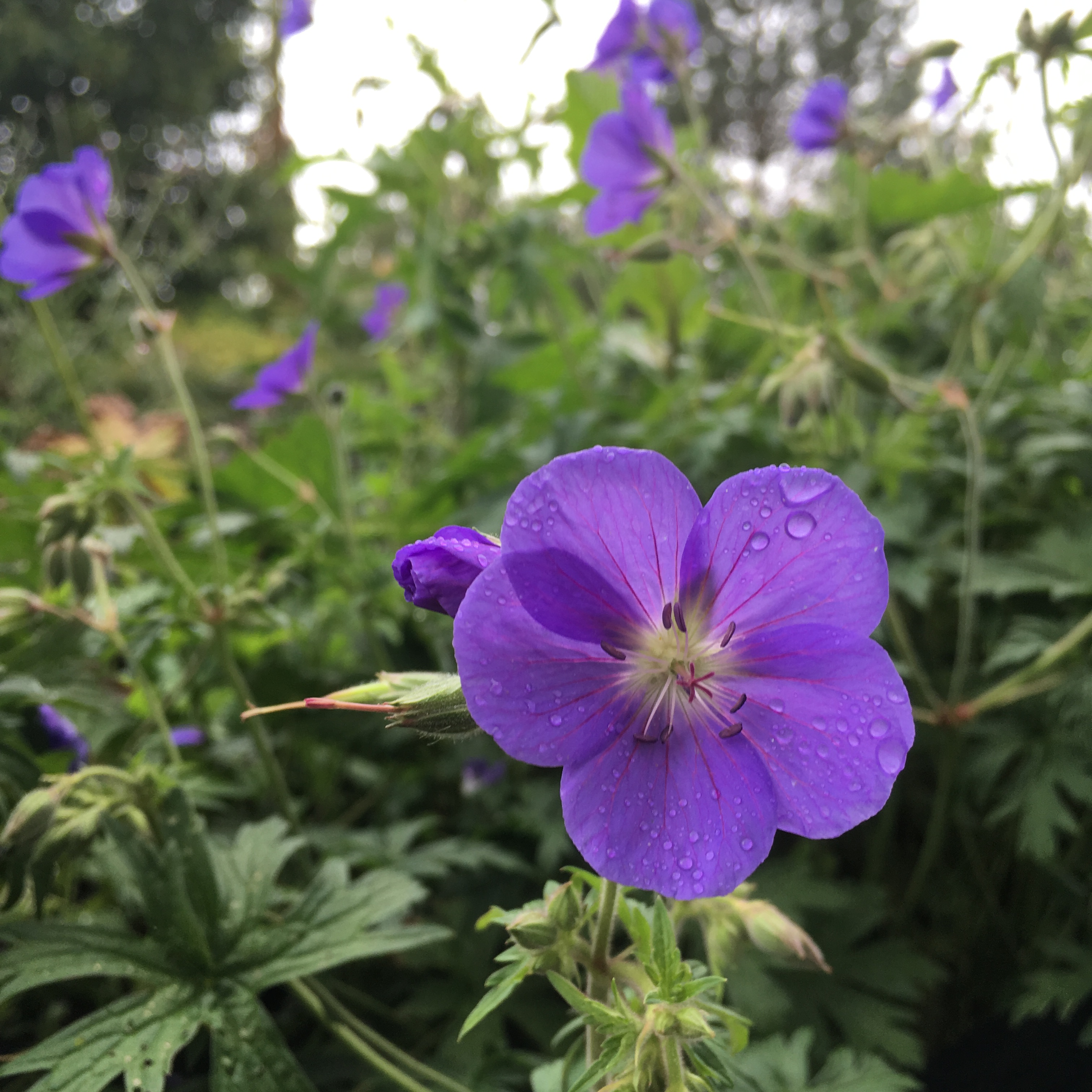
Hardy perennials grow fast during spring and summer, so your tiny little plant will soon fill out. They’re one of the quickest ways to get some colour and interest in your garden during the warmer months. They die back during autumn and winter, but they’re just hibernating, not actually dead. So please don’t dig them up after one year!
Most garden centres and nurseries sell small hardy perennials for around £5, so you should have enough left of your £10 budget to split the cost of a small bag of compost with a pal, and buy a cheap pot too.
Obviously, if you have space for planting in the ground, you won’t need to spend money on the pot and compost, so maybe buy two wee hardy perennial plants?
My gardening budget is £20—what are some ideas for my small garden?
How about buying one hard working shrub and some fast-growing perennials? You’d have a great balance of some structure from the shrub and abundant foliage and flowers from your perennials.
If you’ve used my approximate costs from above, one shrub plus two perennials would cost you around £18. Planted in a corner of your garden that you look at often, three plants will give you plenty of interest for under £20.
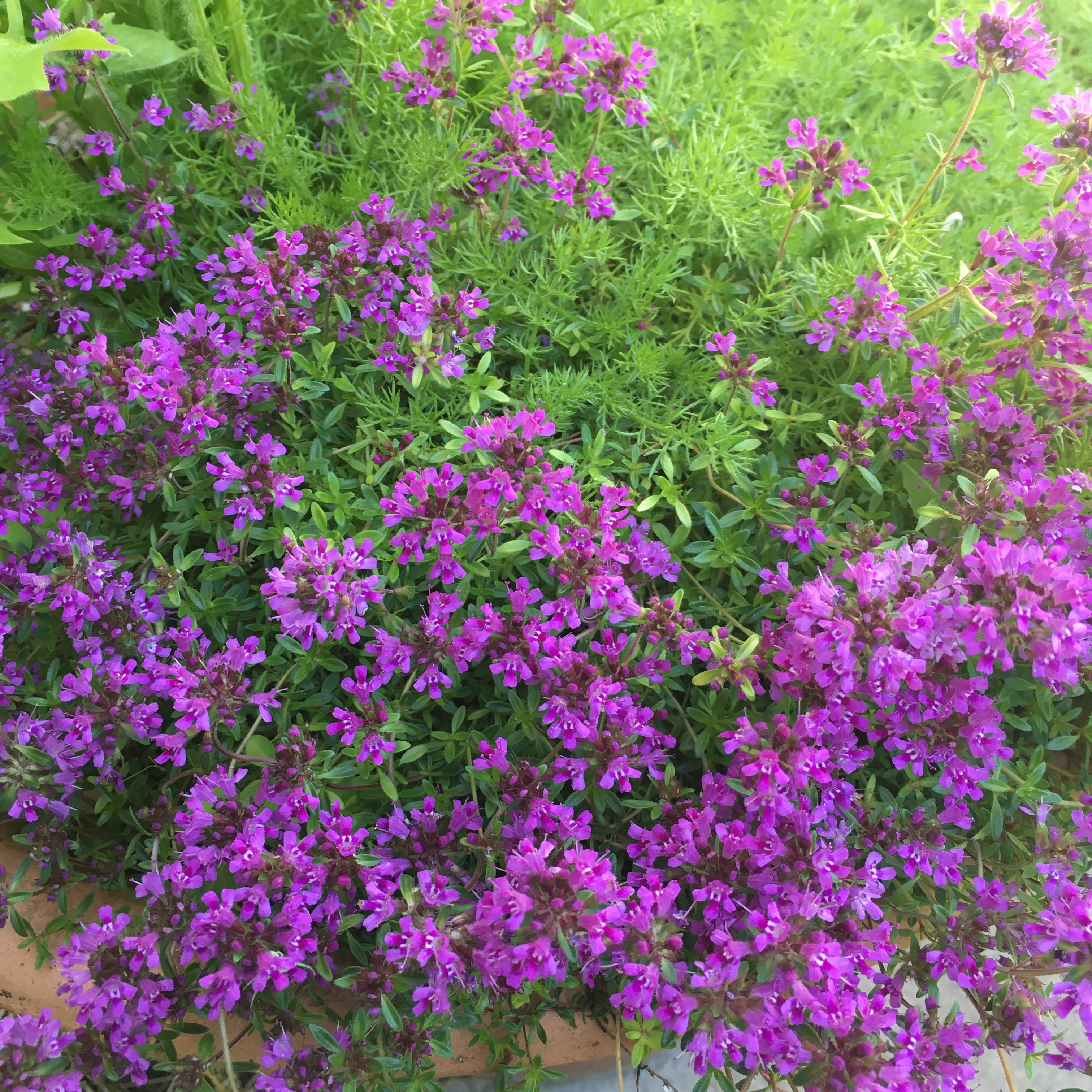
Planting ideas for small gardens
If you have a small garden and a small budget, the best way to create impact quickly is to focus on one area.
Which part of your garden do you see most often? Do any of your windows look out onto your garden? What’s the area around your front door like—could you plant something there?
It’s tempting sometimes to try to improve the whole of your garden at once. But if you’re on a tight budget – as lots of us are – your few plants will look lost if you scatter them around. Far better to group them together for a more obvious effect.
Once you’ve started with one section of your garden, it’s very motivating to see what you’ve created. And, when your budget allows, you can tackle another area.
Obviously, the smaller your garden, the quicker it’ll be to transform it from boring and dull to something that fills you with joy.
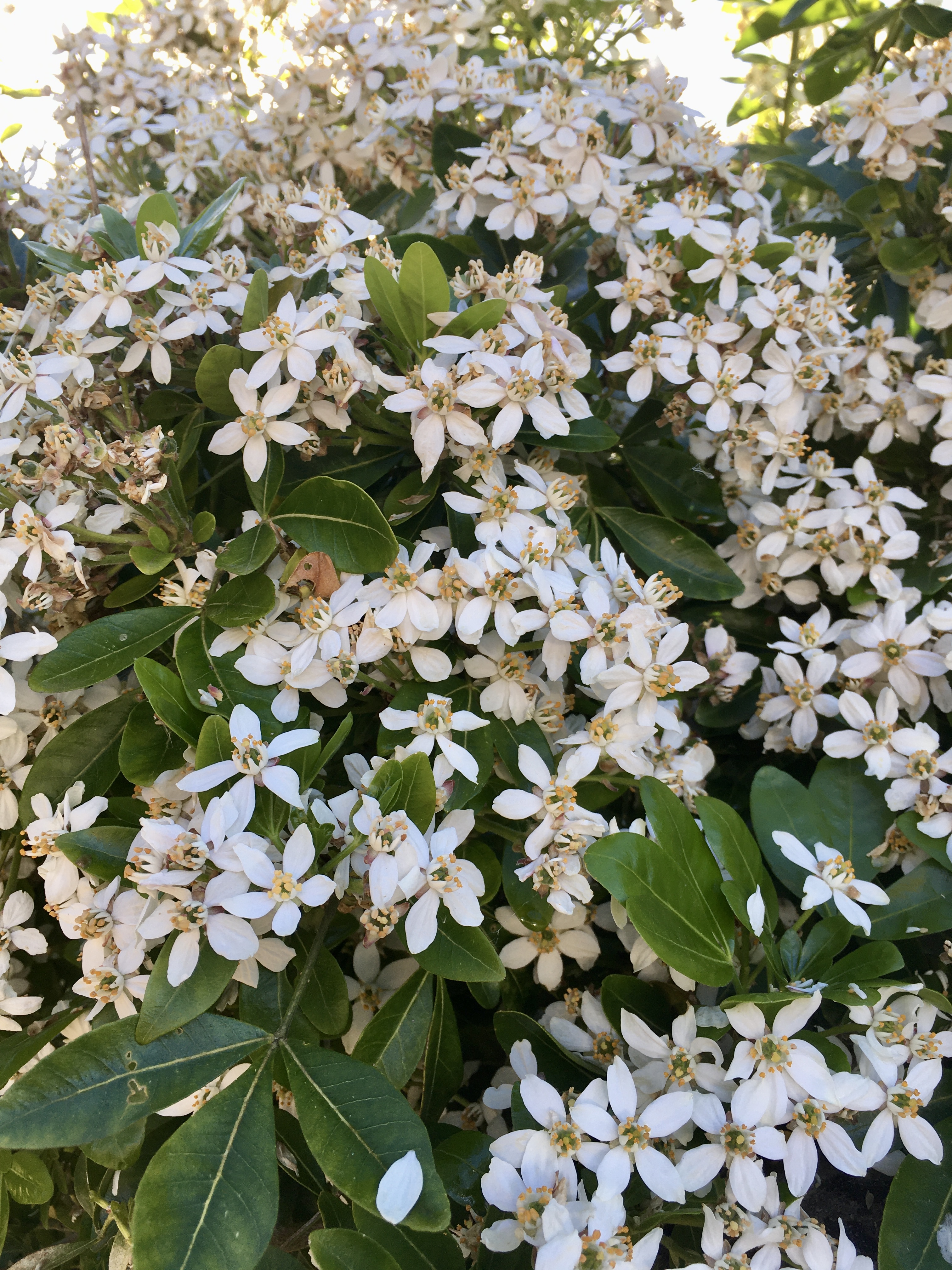
How to plan your garden if you have a small budget
If you’re working on one part of your garden at a time, there’s a risk it could look a bit scrappy and patchy if you’re adding to it plant by plant.
To avoid this, it’s a brilliant idea to have an overall plan for the kind of look you’re aiming for eventually.
Are you drawn to sizzling hot colours like vivid pinks and glowing oranges? Keep this in mind when you’re choosing plants for each section of your garden. Drawing up a planting list can be very helpful before you visit a garden centre or nursery.
The same goes if you prefer cooler, more tranquil colours. Maybe you prefer striking foliage. Or a focus on bee-friendly planting.
If you’re not sure what kinds of plants will suit you and your garden, how about booking a garden design chat with me, so I can help you with some inspiration?
Repeating structural plants like shrubs across your whole garden will tie together different elements too. Repetition is key in the best garden designs. It’s calming to the eye to see familiar forms and shapes in different areas of your garden, so feel free to have a few of your favourite plants dotted around.
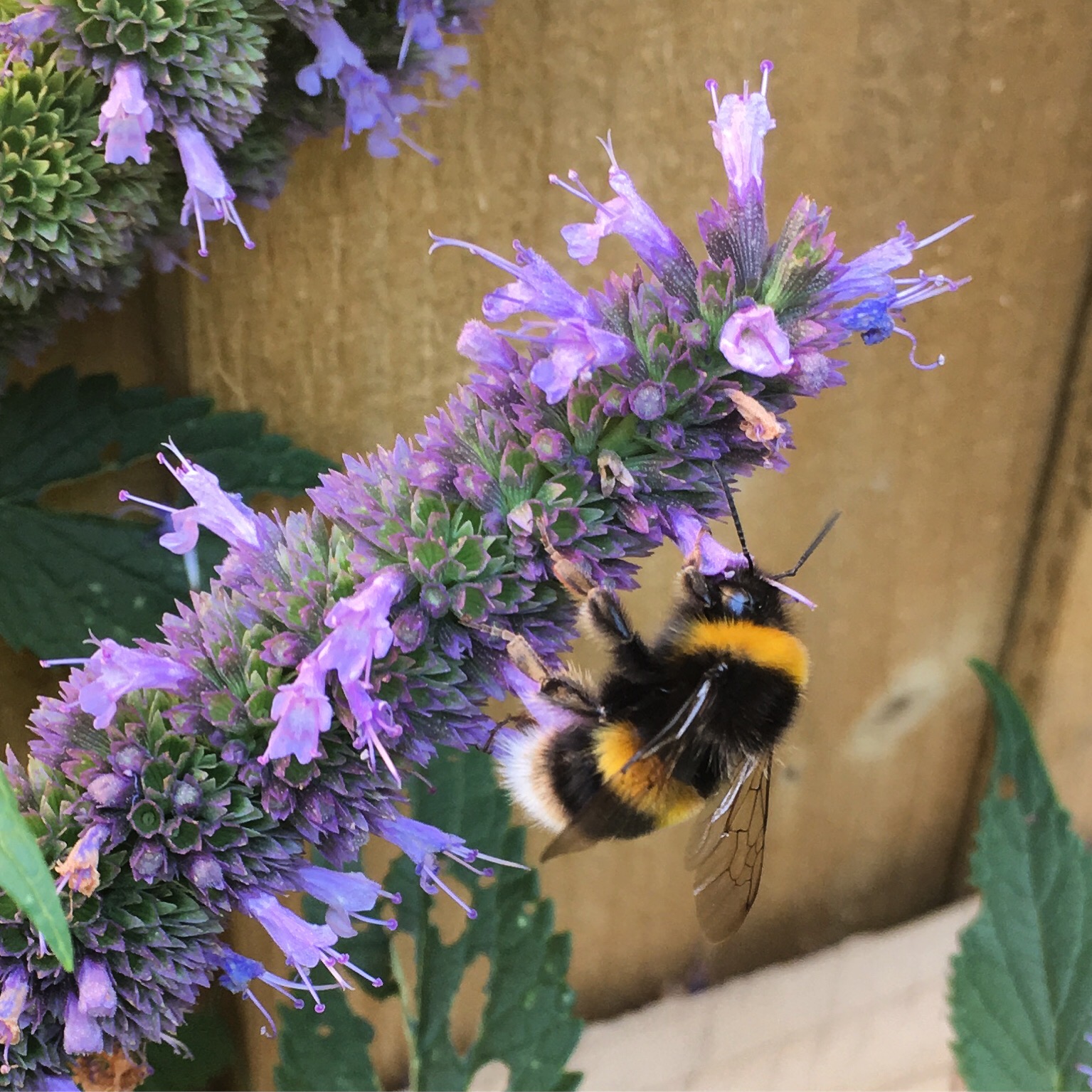
Small garden ideas for a patio using containers and pots
If you don’t have flowerbeds or borders, don’t panic. You can plant everything in pots or containers. I’d been gardening like that for years, until we recently moved house. Ignore folk who say you can’t plant roses, perennials, shrubs or trees in pots—they’re wrong.
If you’re on a budget, it can be harder though. Containers and pots can be expensive so it’s important to be creative with limitations. But it’s absolutely possible to make a beautiful patio garden on a small budget.
What do you have already that you could use as plant containers? Our new garden had a couple of pots and an old tyre left behind by the previous people, so that’s three free containers I can use.
Leaky watering cans, old welly boots, interesting tin cans—there are so many possibilities once you start thinking about it.
Platforms like Freecycle and Facebook Marketplace are worth looking at for local bargains.
What matters most is that any container for growing plants has drainage holes in the bottom. This is vital as all plants need to have good drainage to grow well. Carefully using a screwdriver to punch holes in the bottoms of most things has worked well for me.
If you’re planting into containers and pots, you’ll need compost. Another frustrating expense if you’re on a budget, I know.
Could you split a bag with a friend or neighbour if you only need a small amount? Some local councils offer free compost made from brown bin waste to residents periodically. It’s worth checking neighbourhood social media groups, or chatting to anyone you know locally who has a garden or allotment.
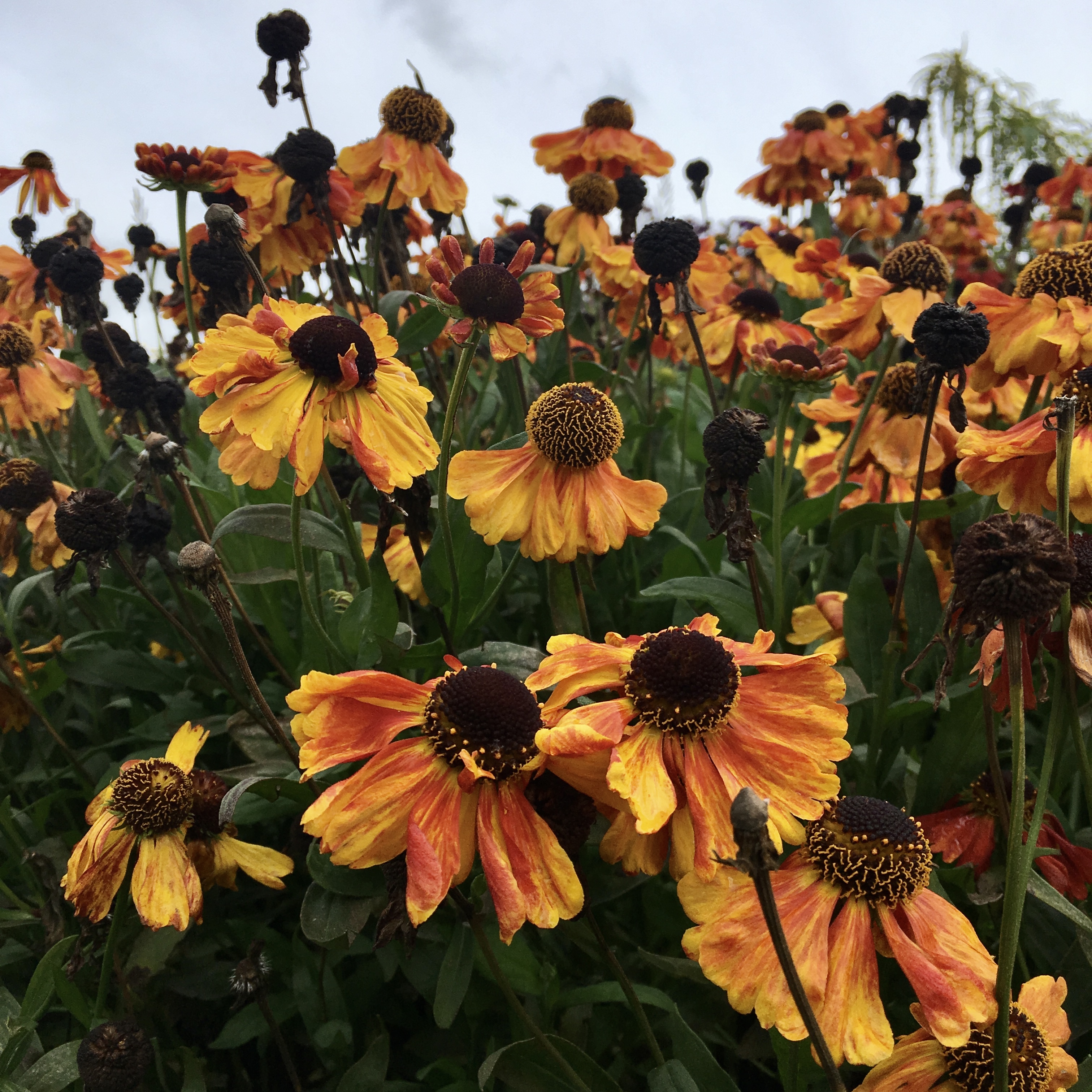
Consider the community aspect of gardening
Gardening can feel like an expensive hobby. Or maybe you’re not that interested, but you’d like to improve the look of your outdoor area. If so, there’s even more reason to look at how you could share resources.
Tools aren’t cheap, but they do make gardening easier. Could you borrow a spade from a friend or neighbour, if you need to dig a planting hole? You don’t have to buy everything.
If people know you’re interested in starting to garden, they may well offer to share plants or seeds with you. Keen gardeners love to talk about their favourite plants and help beginners. Who do you know locally who might be able to support you?
Front garden areas, often with low fences or hedges are great for building relationships with neighbours. If you’re pottering around, digging or weeding, you’ll be amazed at how easy it is to start conversations with folk as they pass by walking their dogs or going to post a letter. Often people will make suggestions for your garden or even offer to split plants with you.
Being a beginner gardener on a small budget sometimes feels overwhelming, but it really can be easier than you think. The trick is to choose low maintenance plants that are easy care and undemanding. You’ll soon build your confidence and be joyfully sharing plants and seeds with your neighbours.



 Rowan Ambrose
Leave a comment