
Gardening for wellbeing – discover the power of plants and how they can improve your mental health

A sense of wellbeing is precious. We all live at a frantic pace, trying to cram as much into our lives as possible. But a common consequence of always being on the go is feeling overwhelmed and out of control—our equilibrium becomes shaky and our wellbeing suffers.
Gardening allows you to reclaim some peace of mind, however crowded your life is. Lots of plants need a bare minimum of attention, but will reward you with fabulous foliage and beautiful blooms. You just need to choose the right plants for your life, and you’ll soon see the benefits gardening has on your wellbeing.
Wellbeing benefits of gardening

- Boosts your mood
Just being around green things can instantly help you feel better. Houseplants can be great for bringing the feel of a garden indoors, but you can grow other plants indoors too. Cheerful flowers like nasturtiums and calendula can easily be grown from seed in the spring and summer to brighten up your indoor space.
If you work from home, having plants on your desk or on a nearby windowsill can make a huge difference to your focus and concentration, softening the glare of screens and artificial light.
If you’re lucky enough to have some outdoor space, you could start growing some very easy care plants. It’s important to choose low maintenance plants if you’re new to gardening, because they’ll be forgiving if you forget them for a while when life gets busy. But before long, you might find yourself drifting outside to check on them. See if they need watering, or some dead leaves snipped off. Carefully observing small changes in your plants will help to take your mind off niggling worries. Gardening for wellbeing benefits can be noticed even if you just have one plant.
- Improves your self-esteem
Self-esteem improves when you succeed at something. By choosing easy care plants that need no fiddly attention, you’re likely to be a successful gardener. Even if you’ve had plant catastrophes in the past (haven’t we all?), by choosing plants that suit your temperament, you’ll be the proud owner of a thriving garden in no time.
Some people love daily fiddling and tending their plants. Other people (like me—I have autism and ADHD) need a more hands off approach, as sequencing tasks can be challenging.
What kind of gardener do you think you might be?
- Encourages exercise
Gardening can be enjoyed in many ways, and exercise is part of most of them. Moving around compost, arranging large pots and digging can be strenuous. If you’re able to do these activities, you may well feel the physical benefits of getting stuck in. Please do go carefully at first though.
But gardening can be equally enjoyable from a table top. You can buy compost in small bags, choose little pots and sow some seeds. Spoons and cups can be used as tools. Salad leaves and edible flowers work especially well grown this way on windowsills.
All gardening activities are a form of exercise, you just need to find what intensity works for you.
- Offers a sense of community
Lots of people are interested in gardening. And it can be a great way to meet new people. Talking about a hobby is much easier for most people than the usual awkward chit chat, especially if you’re neurodivergent.
Blocks of flats sometimes have a communal area where pots could be grown. Or perhaps there’s a community garden near where you live.
If you’re lucky enough to have a garden, chatting to neighbours over the hedge/ fence/wall can be a lovely way to meet new people. And if you’re new to an area, those are the people to ask about what grows well in your soil. Are their roses blooming magnificently? – ask them what their secrets are.
Feeling more connected to other people, and to nature can have huge wellbeing benefits for gardeners.
How can gardening help your wellbeing?

Spending time in nature improves our wellbeing. Being outside, feeling a cooling breeze on your cheeks and listening to liquid birdsong is very calming. It’s been well documented that using the five senses is an effective way to help manage anxiety.
But sometimes we can’t always get out for a walk, run or bike ride. Creating your own garden, however tiny, brings nature to you. Even if you only have a windowsill, you can grow salad leaves or flowers which you can nurture.
What is the link between mental health and gardening?
Gardening has been proved to reduce stress, anxiety and depression in many people. It’s even possible to have horticultural therapy or ‘green exercise’ prescribed. And it’s important to remember that your wellbeing can benefit by gardening for short periods of time—as little as five minutes can help you rebalance, refresh and recharge.
Making small changes to our lives often works better than tackling huge challenges. There are lots of ways you can start to include more nature based activities in your life.
How does gardening help you relax?

Becoming absorbed in nurturing your plants will quiet the relentless chatter in your mind. You’ll be looking for small changes in the leaves of your plant, maybe searching for flower buds. Does it need watering? Is it getting enough sun?
All these ponderings will move you away from fretting about gas bills, health concerns or elderly relatives. Maybe only for a short while, it’s true. And no amount of gardening is going to resolve the housing crisis, but it can offer some respite. A breathing space.
Gardening is unique in that it is a form of exercise, but it is also creative. A whole mind and body exercise. Arranging pots of nasturtiums on a sunny windowsill is a creative activity. If you’re lucky enough to have a balcony or a backyard, you can start to include shrubs and roses—considering where to place each one for the optimum amount of light or shade is a great problem-solving activity.
And obviously, if you’re growing flowers, you can arrange them attractively in a jam jar or milk bottle. Or artfully strew your lovingly grown salad leaves around your lunchtime sandwich.
The opportunities for creativity in gardening are endless. And if you choose your plants carefully, you won’t be plagued by worries about them, just lightly considering how to enjoy them best.
Is gardening a relaxing hobby?
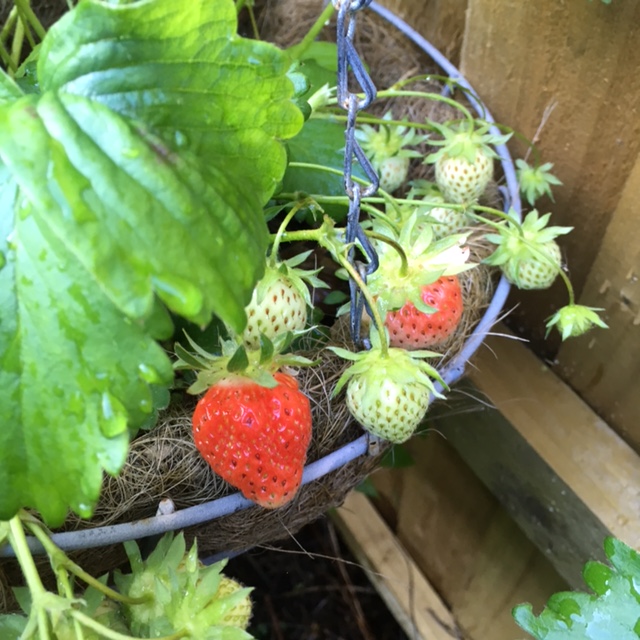
Gardening can be a very relaxing hobby, especially if you choose your plants carefully. By concentrating on easy care plants, you’ll avoid the burdensome feeling of having to work in your outdoor space.
Lawns are very common in Britain, but they need a surprising amount of work to look good.
The sequence of seed sowing, potting on and planting out is time consuming, which can be frustrating if you have a busy life.
Planting seasonal bedding is expensive and needs changing every few months.
But focusing more on planting shrubs and hardy perennials will allow you to enjoy spending time relaxing in your garden, rather than working on it.
Choose a comfortable chair, make a refreshing drink, then lean back and admire your little sanctuary. Gardening for wellbeing can be very enjoyable!
Gardening can help tackle climate anxiety

We’re all aware of the enormous challenges posed by climate change. Making the choice to garden in your tiny space is very empowering.
You’ll be helping to mitigate air pollution and flooding. Growing plants will reduce noise, filter wind, and regulate temperature extremes around your house. And provide valuable food and shelter for wildlife.
Choosing low maintenance, pollinator friendly plants will boost the numbers of beneficial insects in your area. Birds will greedily gobble up any pests like greenfly, and you’ll have a thriving mini ecosystem before you know it. Feeling like you’re doing something to encourage nature, and boost wildlife in your area is another reason to garden for wellbeing.
Why does gardening reduce anxiety?
“The more you immerse yourself in working with your hands, the more free you are internally to sort feelings out and work them through. These days, I turn to gardening as a way of calming and decompressing my mind. Somehow the jangle of competing thoughts inside my head clears and settles as the weed bucket fills up. Ideas that have been lying dormant come to the surface and thoughts which are barely formed sometimes come together and unexpectedly take shape. At times like these, it feels as if alongside all the physical activity, I am also gardening my mind.”
– Sue Stuart-Smith – The Well Gardened Mind
Often our minds are buzzing with the over-stimulation of living in the modern world. Anxiety feels like it could be lurking around any corner as our adrenaline levels are often already high. Gardening can profoundly increase our ability to cope with everyday challenges, and frequently soothes our frazzled nerves.
By choosing low maintenance plants that suit you and your garden space, you can quickly start to feel the benefits of gardening for wellbeing. You’ll love seeing your plants thriving under your care, and feel more relaxed, hopeful and optimistic.
Why not take a look at these 5 best plants for beginner gardeners for simple ideas to boost the beauty of your garden?


 Rowan Ambrose
Leave a comment