3 compelling reasons why you should grow a stunning rose in your garden
Oozing fabulous glamour and opulent scent, roses can be the show-stopping backbone of a gorgeous garden. Robust, resilient and surprisingly easy to grow, planting a rose in a large container or in the ground will give you weeks, even months, of enchanting flowers and fragrance.
Okay, if you have a tiny windowsill garden, this could be tricky. But do you know anyone with a little more space who you could co-parent a rose with?
1. Captivating colour
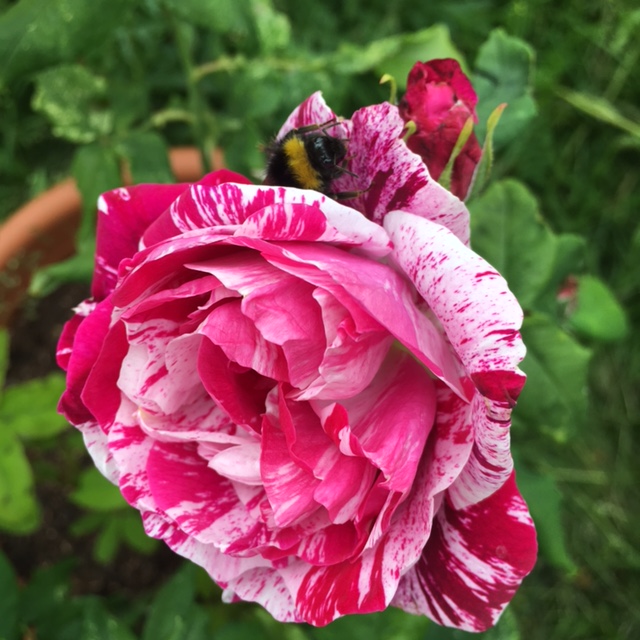
Roses come in a vast spectrum of dazzling colours. From glistening moon white, through vibrant fuschia and juicy orange all the way to deepest, almost inky crimson.
As buds develop, you’ll often see a transition of colour. Some roses have deep pink buds which gradually unfurl to blushing shell, and end up as a rich, buttery cream. It’s a visual feast. And every day will be different. On one plant you’ll get to see the whole journey of a flower from infancy to graceful ageing—what a privilege.
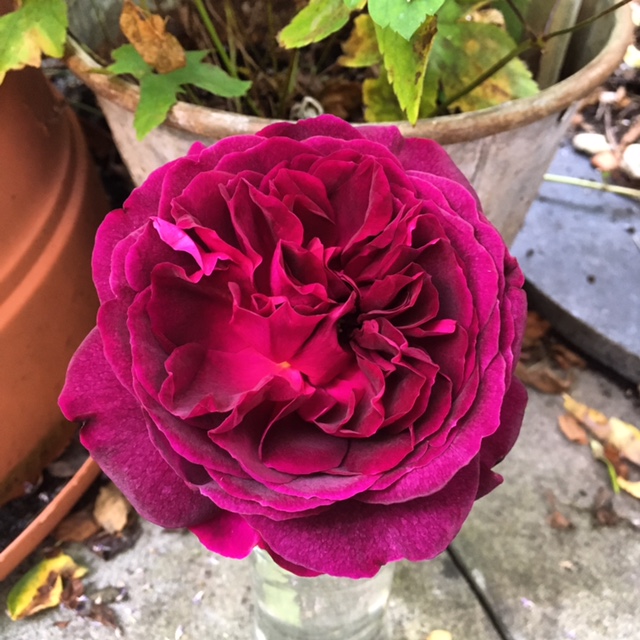
Depending what variety you grow, you’ll also see a colour shift if it has velvet-like petals. Light catches the different textures in rose flowers, and the depth of richness can be astonishing. Deep crimson roses are often the most velvety ones.
Stripy roses are great if you want a spectacular focal point in your garden. The jolly splashes of colour add a sparkle of circus magic to any space.
Top roses for colour include:
- – Munstead Wood – rich, velvety crimson rose with a hypnotic, fruity scent
- – Ferdinand Pichard – a very old rose with gaily striped raspberry ripple petals
- – Mme Alfred Carriere – luscious pale cream, lightly flushed with pale pink
2. Seductive scent
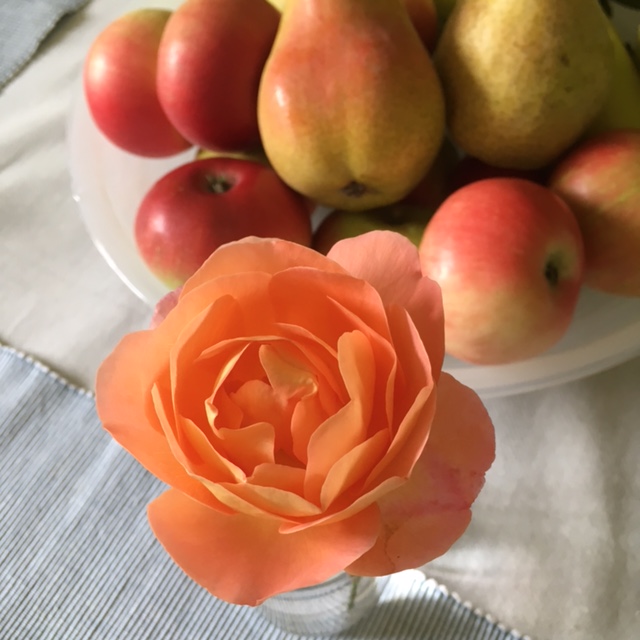
Not all roses are scented, but if you use the filter in online rose catalogues, you’ll easily find plenty.
And what a range of fragrances you can find. Light, delicate tea-rose scents. Richly fruity, jammy berry perfumes. Citrus and spice fragrances. There’s a whole other world of rose appreciation just waiting to be discovered.
Some rose perfumes change as the flower matures. One variety I know has a light, lemony fragrance as a tightly furled bud, changing to a seductive blend of cardamom and clove as it opens.
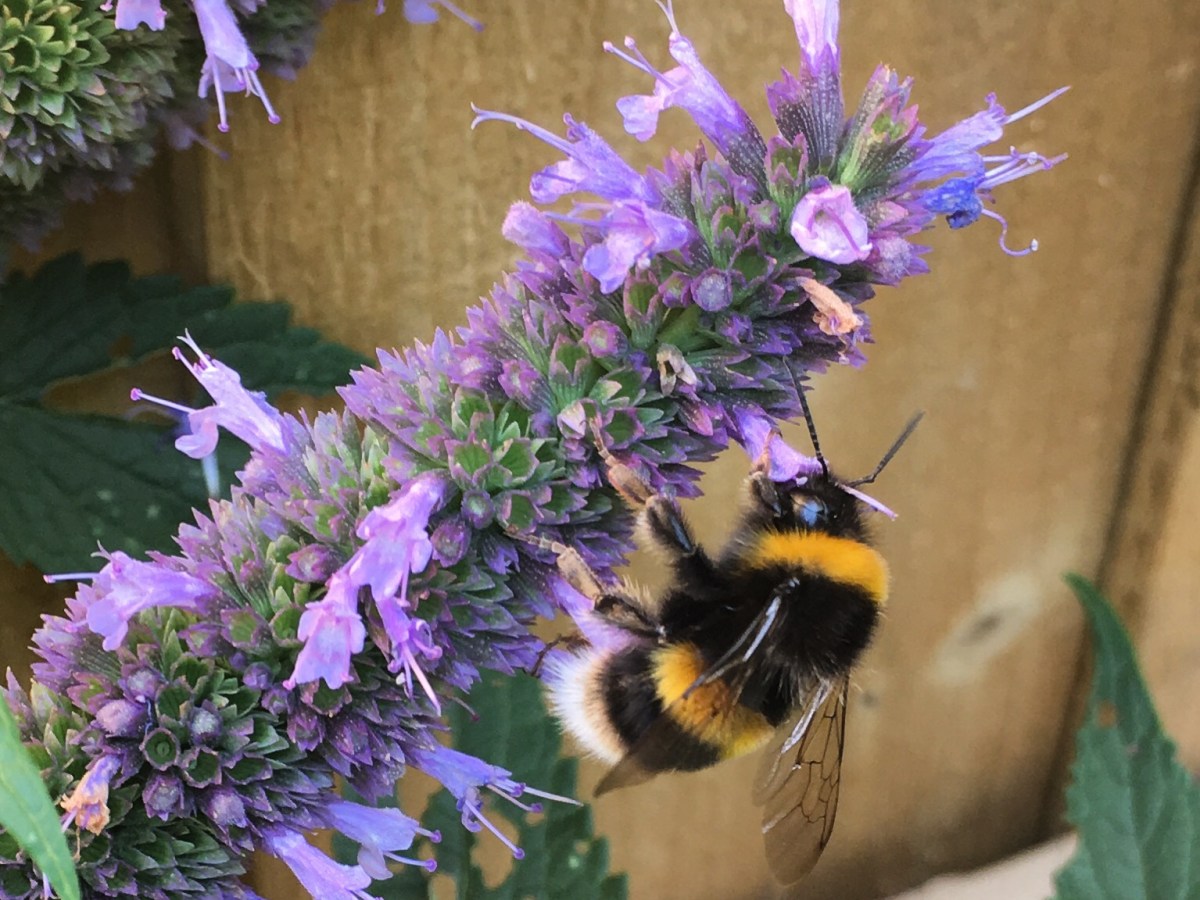
Scented roses with open centres and visible stamens (the golden wands at the centre of a flower) will often attract valuable pollinators. You’ll be enchanted by the uplifting fragrance and also supplying bees with crucial nectar—everyone wins.
Top roses for scent include:
- – Lady Emma Hamilton – sweetly fruity with layers of mango and grape
- – The Generous Gardener – fresh lemon with hints of musk and myrrh
- – Ferdinand Pichard – warmly spicy with aromas of black tea and clove
3. Long flowering season
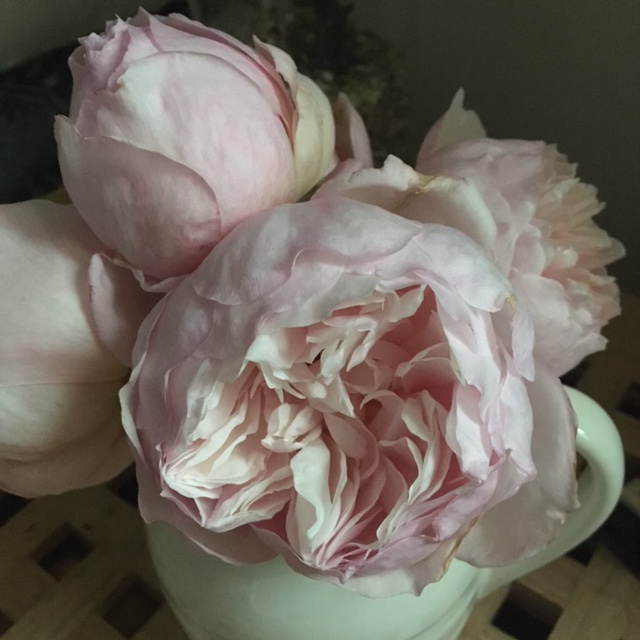
I highly recommend you look for a repeat flowering rose. These are roses which will offer you more than the typical one magnificent flush of flowers, and will keep you in beautiful blooms for most of the summer.
Over the summer, you’ll need to snip off the fading flowers to encourage new buds. But that’s a very undemanding job to be done with secateurs (or sharp kitchen scissors) in one hand and an icy drink in the other.
If you have the time and energy, cutting stems further back can generate a huge fresh swathe of flowers. This works especially well with some climbing roses like The Generous Gardener. There’s no need to be scientific about it, just hack bits off, and delight in the rhubarb pink new foliage that emerges after a couple of weeks.
Studies done at Kew Gardens outside London have proved that inexpert rose pruning is not a problem for the plant. They’ve used chainsaws to test this theory, which is pretty harsh, but the results were conclusive. The plants with the fewest blooms were the rose bushes which hadn’t been pruned at all. Any other way of pruning/hacking/ lopping encourages plenty of new growth.
So, be bold!
I’ve used this method of haphazard pruning for years now. And my roses love it.
Top roses for a long flowering season include:
- – The Generous Gardener – months of soft shell pink blooms loved by bees
I know I’ve only suggested one rose for repeat flowering here. Other roses I’ve grown and would recommend are no longer available. New ones I’ve just planted are not ones I’m familiar with yet, so I can’t recommend them with integrity.
But I’ll keep you updated as I get to know them better.
Looking after your roses
Roses will grow happily in a small patch of soil, or in a large container. Before you decide on a particular variety/cultivar of rose, it’s worth thinking about how much sun it’ll get in your garden. Generally, the more sun, the better for roses, although there are ones which will manage in part-full shade (including Mme Alfred Carriere mentioned above).
If you want to grow your rose in a container, it’s best to choose one at least 45-50cm across the top, and the same deep. That will allow your new rose to develop a sturdy and substantial root system so you’ll get swathes of heady blooms.
Use John Innes Number 3 compost for container planting roses. This has a generous helping of nutrients blended with soil, so it retains water better than ordinary compost.
If you’ve found a sunny site in your garden for a rose, remember it will need regular watering. Terracotta pots dry out quicker than plastic pots, so it’s worth considering that when looking for containers.
Watering needs to be thorough, especially in hot weather. Last summer I was watering my roses in pots every day, though it was unusually hot in Somerset.
It’s MUCH better to give your container rose a good soaking once a week than a tiny dribble every day. Water until you can see it running out of the drainage holes at the bottom.
If you’re looking for roses online, try specialist rose growers like Trevor White, Peter Beales and David Austin. They have comprehensive website filters which will let you refine your search and save you time. Try looking for your favourite colour, if you’d like it scented or not, and whether it’ll attract pollinators. You can search for repeat flowering roses too.
Growing a rose in a small garden is a fantastic idea. They’re very easy care, low maintenance plants which will reward you with garlands of bewitching flowers, delectable fragrance, and often a valuable feast for pollinators too.
Why not find out about some more recommended easy care, low maintenance plants for your garden?




 Rowan Ambrose
Leave a comment